
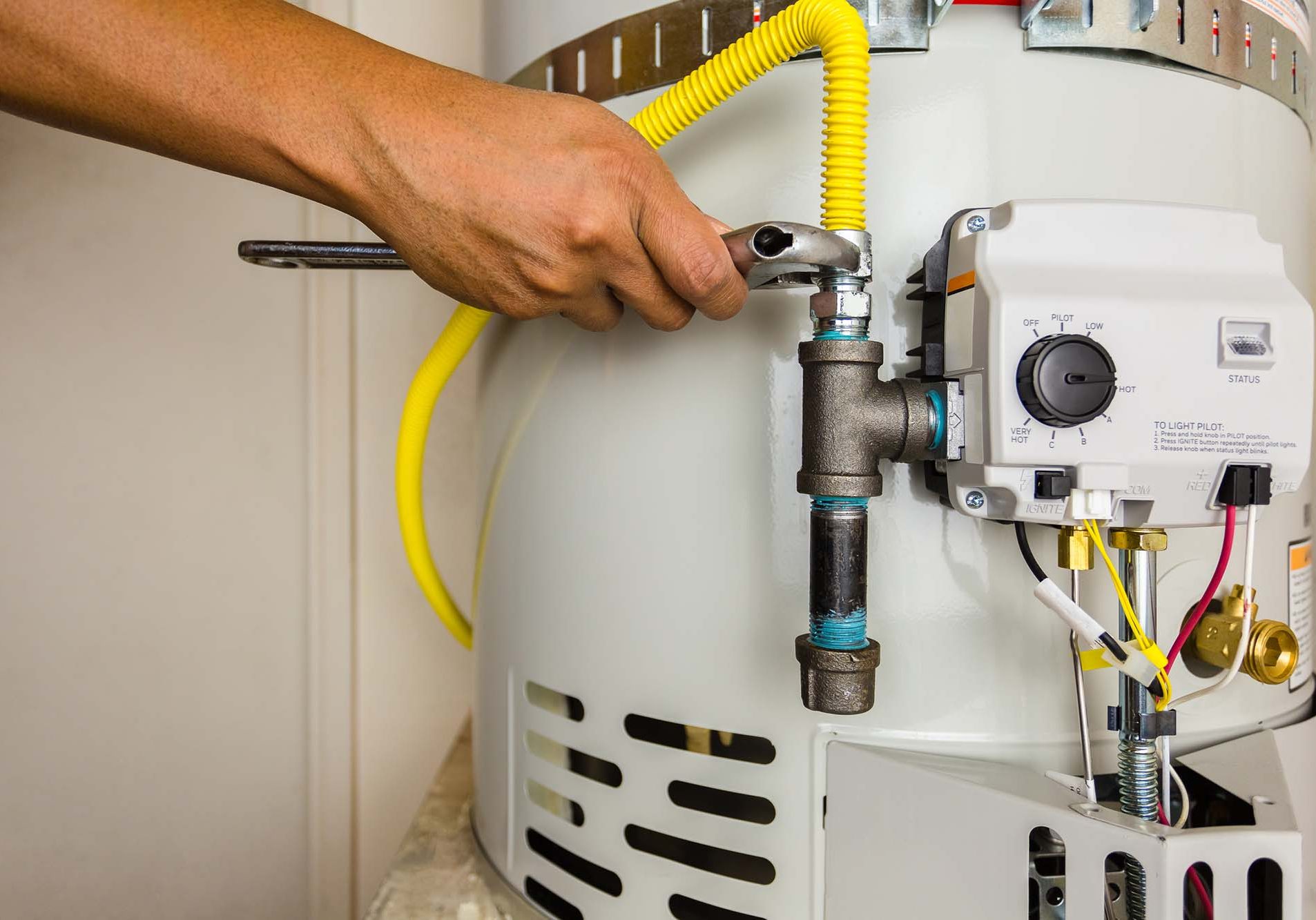
Topping up your boiler once when you first turn the heating on for the season is normal. Topping it up every week is not, that's a system telling you water is leaving it somewhere and not coming back. The good news is that most leaks are findable with a torch, a dry cloth and twenty minutes of patience, in roughly the order below.
Work through the checklist methodically rather than jumping straight to 'it must be the boiler'. In our experience the boiler itself is usually the last place the leak actually is.
Start with what you can see
Walk the house looking at skirting boards, under radiators, and around any visible pipework in cupboards or lofts. Even a small, slow drip leaves a tell, tide marks, a patch of darker carpet, or a faint smell of damp. Feel around radiator valves (both the wheel valve and the lockshield on the other end) with a dry tissue, a slow weep here is one of the most common culprits and often just needs the gland nut nipping up slightly.
Check any towel rail in the bathroom too, particularly around the valve connections and the bleed point at the top, these get knocked and loosened more than people expect.
Symptom to likely cause
| What you notice | Likely cause |
|---|---|
| Damp patch under a radiator valve | Loose gland nut or worn valve seal |
| Pressure drops fast, no visible water anywhere | Hidden pipe leak under floorboards or in a wall chase |
| Water pooling under the boiler casing | Internal boiler leak, often the heat exchanger or a pump seal |
| Steady drip from a pipe outside the house | Pressure relief valve, not a leak, means pressure is too high |
| Pressure drops slowly over weeks, no water seen | Failing expansion vessel or a very slow weep from the auto air vent |
| Pressure fine for months then suddenly drops fast | New leak, often from a joint disturbed during other work |
Hidden pipework
If there's no visible water anywhere but pressure is dropping over a day or two, the leak is probably under the floor or behind a wall, on a section of pipe you can't easily inspect. Signs to look for include a damp smell in a specific room, a warm patch on flooring above underfloor pipework, or a slightly raised or discoloured area of laminate or carpet. This is where a proper leak detection survey earns its keep, tracing pipework acoustically or with thermal imaging rather than lifting every floorboard in the house.
Inside the boiler itself
- The auto air vent, a small white plastic cap usually near the top of the boiler, can weep slowly and is a very common source of a slow pressure drop
- A cracked heat exchanger or failed internal seal will usually show as water pooling at the bottom of the casing
- The pressure relief valve can weep internally as well as outside if the seat is worn, again usually visible as dampness around the base of the unit
- Pump seals wear over time and a failing pump seal often shows as a fine, almost misty leak rather than a drip
The expansion vessel trick
A failed expansion vessel doesn't leak water anywhere, it just stops doing its job of absorbing the system's expansion as it heats. The result looks exactly like a leak, pressure drops, you top up, it drops again, except there's no water loss at all. If you've searched everywhere and found nothing wet, this is the next thing to check, and it's a straightforward recharge or swap for an engineer.
Use the rate of drop as a clue
How fast pressure falls tells you a lot. Losing half a bar overnight suggests a genuine, findable leak somewhere in the system. Losing a similar amount over two or three weeks is more consistent with a tired expansion vessel or a very minor weep that's easy to miss. If you've been through the checklist and still can't find anything, that pattern is worth mentioning to whoever comes out to look.
If it keeps happening, get an engineer to look. Repeated top-ups without finding the source just mask the problem and can let a small leak cause damage to floors or ceilings over time.
Frequently asked questions
- How much pressure drop is normal?
- A very slight drop over several weeks can be normal as air naturally works its way out of a system. Anything losing more than 0.5 bar within a few days points to a leak or a failed component.
- Can a boiler lose pressure without any visible leak?
- Yes. A failed expansion vessel produces exactly this pattern with no water loss at all, and a leak in pipework under a floor may not show up for some time.
- Is a small leak from a radiator valve dangerous?
- Not immediately, but left alone it will keep dropping your pressure and can damage flooring or cause the valve to seize over time. It's worth having it re-sealed.
- Should I just keep topping up if I can't find the leak?
- For a day or two while you investigate, that's fine. If it becomes a weekly routine, it's time to get it looked at properly rather than keep masking the drop.
Can't find where the water's going?
Our engineers can trace hidden leaks and check every seal on the system, inside and out.