A hidden leak needs a method suited to the pipework, not simply the nearest damp patch. Across the Scottish Borders and East Lothian, we first separate an incoming water supply problem from a heating circuit losing pressure. In a rural property, knowing where the supply enters and where it can be isolated helps narrow the search. Tell us whether the meter moves with taps closed, the boiler pressure falls, or damp appears after heating has been running.
Older stone houses can conceal several generations of pipework. Water may follow joists or pipe sleeves before appearing on a wall, so the visible stain is evidence rather than a reliable excavation point. Whether you are in Selkirk, Peebles or Galashiels, tracing comes before deciding what needs opening. The same approach applies to homes in Tranent and Musselburgh within our East Lothian coverage.
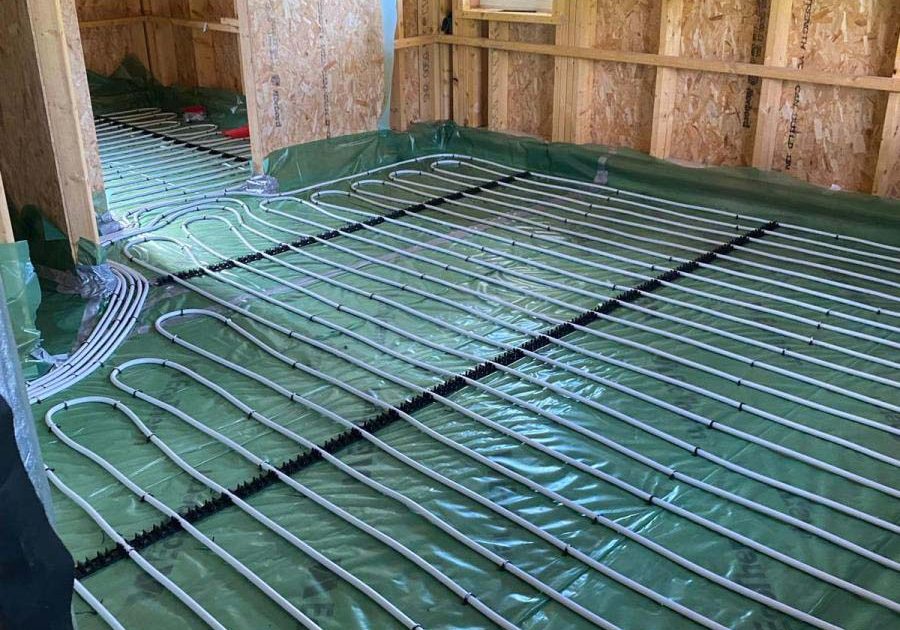
Thermal imaging follows heat patterns around hot water and underfloor pipework. Acoustic equipment listens for escaping water on pressurised pipes, while tracer gas can help locate slow leaks beneath screed or tiles. The findings guide a targeted opening where repair needs access; non-destructive detection does not mean every repair is possible without disturbing a finish. We explain the survey scope and quote for the repair once the source is known.