
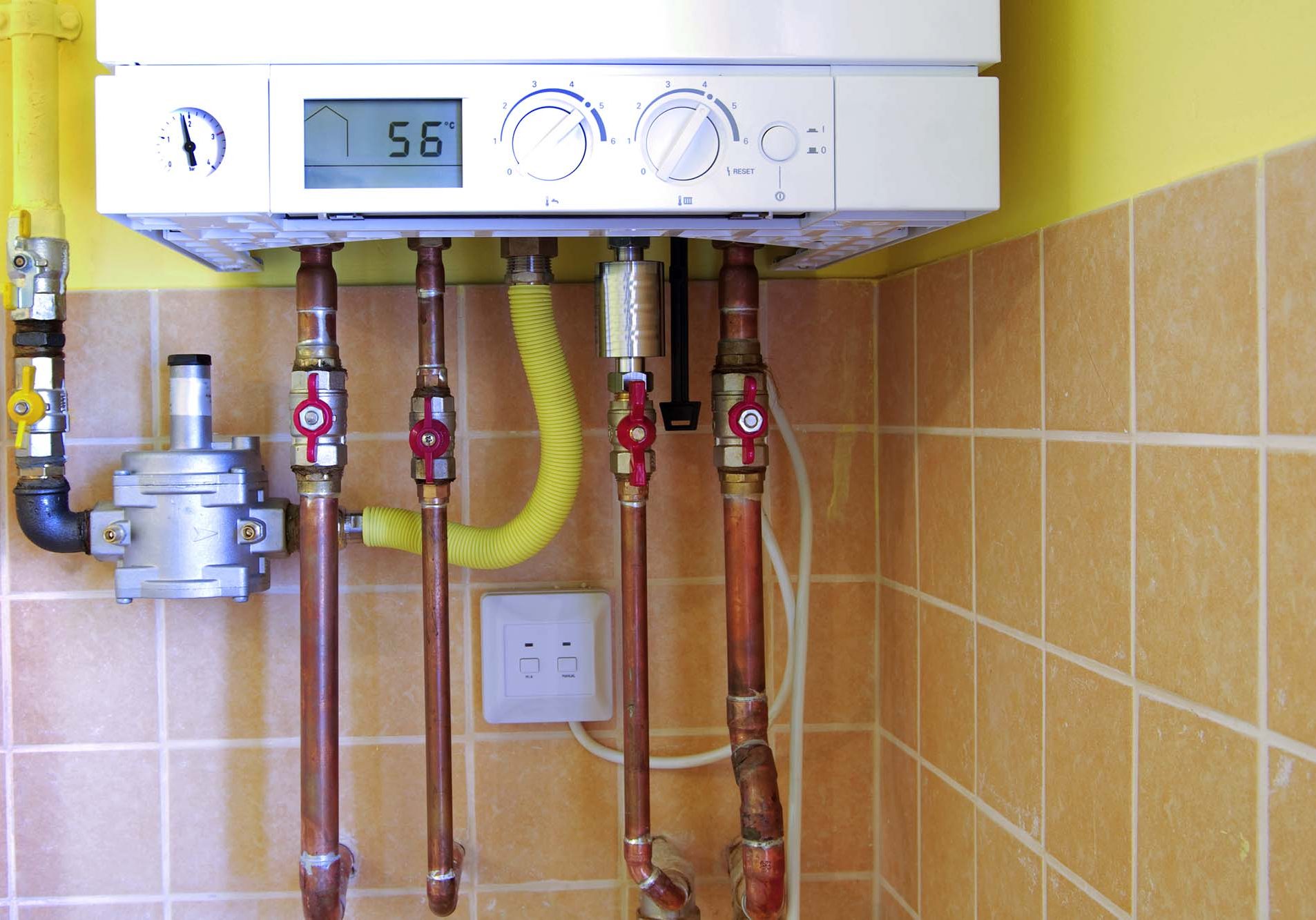
An oil boiler that will not fire usually shows a red lockout light, makes a brief whirr then stops, or does nothing at all. It is frustrating, particularly on a cold morning, but the causes tend to fall into a short list. Some are things you can check safely yourself; most need an oil-competent technician.
This guide covers the common reasons, the safe checks worth doing, and why repeatedly pressing the reset button is a bad idea.
Start with the simple checks
- Is there oil in the tank? Gauges stick, so check with a dipstick if you can do so safely.
- Is the power on to the boiler and is the fused spur switched on?
- Is the programmer calling for heat or hot water, and is the room thermostat turned up?
- Is the oil supply valve at the tank open, and has anything damaged the supply line?
- In freezing weather, is the condensate pipe from a condensing boiler frozen?
Why the reset button is not a fix
A lockout means the boiler's control has detected that the burner did not light or the flame was lost. Pressing reset once after you have fixed something obvious, such as a delivery of oil, is reasonable. Pressing it repeatedly can flood the combustion chamber with unburnt oil, which may cause a heavy smoky light-up, soot and damage. If the boiler locks out again, leave it and get it looked at.
Fuel supply problems
Running the tank very low draws water and sludge from the bottom into the line. That often blocks the filter by the tank or at the boiler, and air may enter the pipe. After a delivery the boiler may still lock out until the filter is changed and the line bled.
Supply lines can also be damaged, kinked or have a fire valve that has tripped. Leaks smell strongly of kerosene and should be dealt with promptly to avoid environmental damage.
Burner faults
Inside the burner, a worn nozzle, faulty electrodes, a failing ignition transformer, a sticking solenoid valve or a dirty photocell can all prevent a stable flame. The photocell watches for light from the flame; if it is sooted up, the control thinks the flame has gone out and locks the boiler. These faults are often found and prevented at an annual service.
A fuel pump that is wearing out may give low or irregular pressure. Testing pump pressure needs proper gauges and should be left to a technician.
Heat exchanger, flue and other causes
Heavy sooting from overdue servicing restricts airflow and can cause the boiler to smoke, smell or lock out. A blocked flue or damaged seals need attention before the boiler is used again. Overheat thermostats can also trip if the system has a circulation problem such as a failed pump or closed valves.
When to call an engineer
Call a technician if the boiler locks out more than once, if you smell oil or fumes, see smoke from the flue, or hear unusual noises on light-up. Explain what you have already checked, when the boiler was last serviced and whether the tank was recently filled or ran dry. That speeds up diagnosis.
If the carbon monoxide alarm sounds, switch the boiler off, ventilate the room, get everyone outside and seek advice before using it again.
Preventing lockouts in the first place
Most lockouts we hear about have a history: a missed service, a tank allowed to run dry, or a minor fault left for weeks. Regular attention reduces the chance of being without heat on the coldest day of the year.
- Book an annual service before winter so the nozzle, filters and photocell are attended to.
- Do not let the tank run very low; reorder when it reaches about a quarter full.
- Keep the area around the tank and supply line clear and protected from damage.
- Insulate exposed condensate pipes on condensing boilers.
- Ask for the tank to be checked for water and sludge if it is old.
What to tell the engineer
When you call, describe exactly what the boiler does: whether the fan runs, whether you hear ignition clicks, how long before it locks out, and whether it lights then cuts out. Note any smells, smoke or unusual sounds. Tell them when oil was last delivered and when the boiler was last serviced. This information often points straight to the likely cause and means the right parts can be brought on the first visit.
Temporary heat while you wait
If the boiler is out of action, close doors to keep warmth in the rooms you use, run electric heaters safely from wall sockets rather than extension reels, and make sure pipes in cold spaces are protected. If you have an immersion heater on the cylinder, it can provide hot water while the boiler is repaired.
Frequently asked questions
- Why does my oil boiler lock out after an oil delivery?
- If the tank ran low, sludge or air may have entered the line. The filter often needs changing and the supply bleeding before the burner will run reliably.
- How many times can I press reset?
- Once, after fixing an obvious cause. Repeated resets risk flooding the combustion chamber with oil.
- Can a service prevent lockouts?
- Many common causes, such as worn nozzles, dirty photocells and blocked filters, are dealt with during an annual service.
- Is a smell of oil dangerous?
- It may indicate a leak or poor combustion. Switch the boiler off and arrange a visit rather than continuing to use it.
Talk to us about your heating or plumbing job
Tell us what is happening and what you would like to change. Work and prices are confirmed after we have looked at your system.