
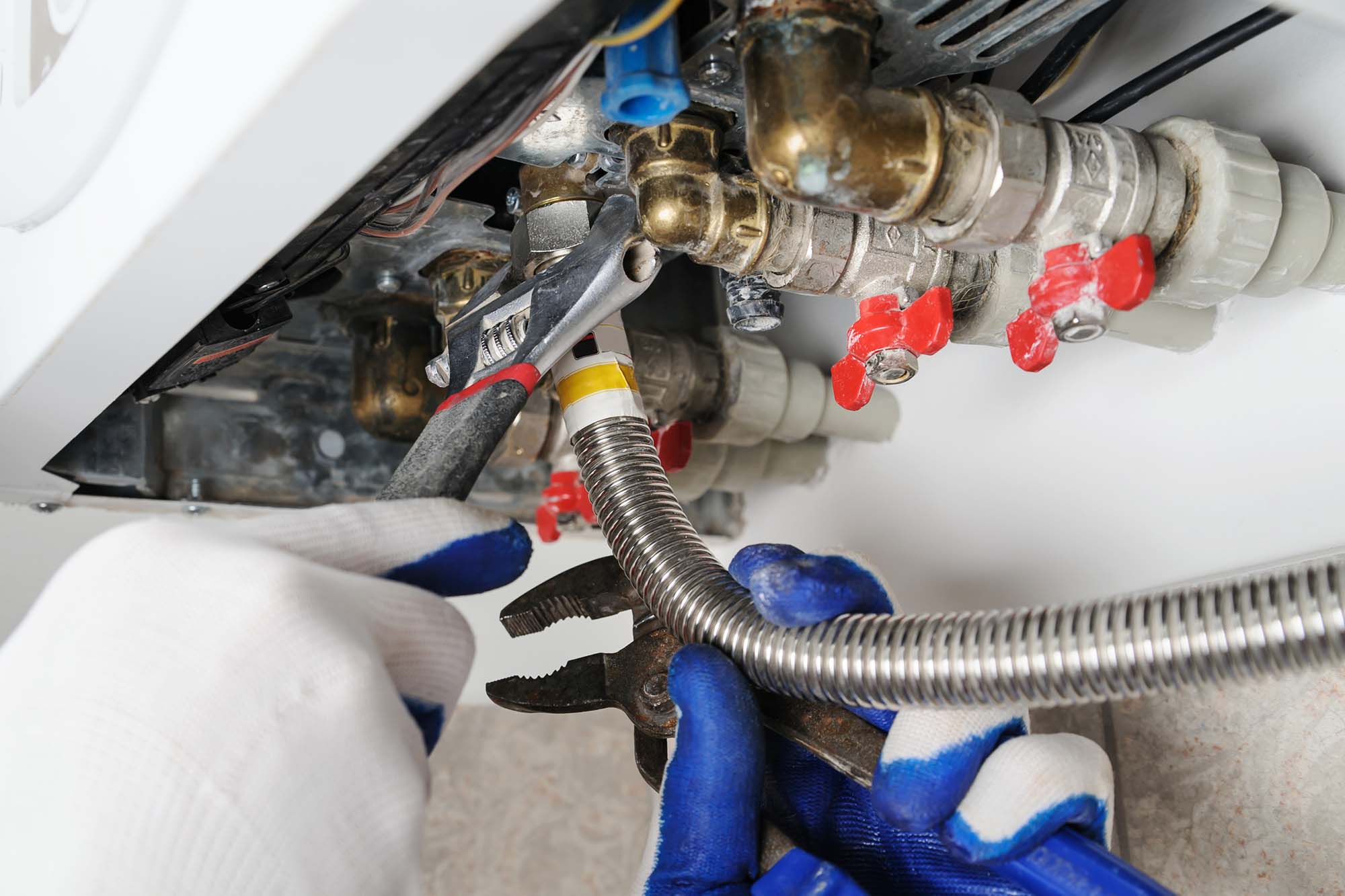
A lockout is the boiler protecting itself. It has detected a condition it is not willing to run through — no flame, too much heat, too little flow, a blocked flue — and shut down deliberately. Resetting clears the latch but changes nothing about the cause, which is why the same code returns.
What matters is which family of fault the code belongs to. Some are nuisance-level; one family should never be repeatedly reset.
Ignition and flame-loss lockouts
The boiler tried to light, failed to prove a flame, and locked out. Causes range from gas supply issues and a failed ignition electrode to a dirty flame-sensing probe or a gas valve fault. On oil appliances the same family covers nozzle, photocell and pump-pressure faults.
These are usually repairable in one visit once the sequence is watched live — which is why we run the appliance rather than working from the code alone.
Overheat and low-flow lockouts
- Restricted circulation from magnetite or a failing pump makes the exchanger overheat.
- A closed or seized valve on a zone can starve the boiler of flow.
- A sludged heat exchanger raises temperature faster than the sensor expects.
- An air pocket in the exchanger produces intermittent, unpredictable lockouts.
Flue, condensate and combustion lockouts
Air pressure switch and flue-related lockouts should be treated seriously. A blocked or damaged flue, a failed fan or a compromised case seal can mean combustion products are not leaving the property correctly. Repeatedly resetting a boiler that is locking out on a flue or combustion fault is exactly the scenario the lockout exists to prevent.
A frozen condensate pipe also produces a lockout — that one is common in cold snaps and is dealt with in its own guide.
How many resets is too many
- Once, after a power cut or a one-off: reasonable.
- Twice in a day: book a diagnosis; something is failing.
- Any smell of gas, staining around the case, or a flue-related code: stop, do not reset, ventilate and call.
- Repeated lockouts on an appliance over 12 years old: worth pricing repair against replacement.
Frequently asked questions
- Does the fault code tell you exactly what is broken?
- It narrows it to a family of causes, not a single part. Two boilers of the same model can show the same code for different reasons, so the code guides the diagnosis rather than replacing it.
- Is it safe to keep resetting?
- For most ignition faults it is not dangerous, just futile. For flue, combustion or gas-smell scenarios it is not safe, and the appliance should be left off until an engineer has attended.
- Why does it lock out only in cold weather?
- Cold-weather-only lockouts point strongly at a frozen condensate pipe or a system running at its limits when heat demand peaks.
- Will a service prevent lockouts?
- Annual servicing catches the wear items — electrodes, seals, sensors, filter condition — before they cause a shutdown, and keeps the manufacturer warranty valid.
Get the lockout diagnosed properly, not just reset
Send us the make, model and the exact code on the display and we will arrive prepared for the likely cause.