
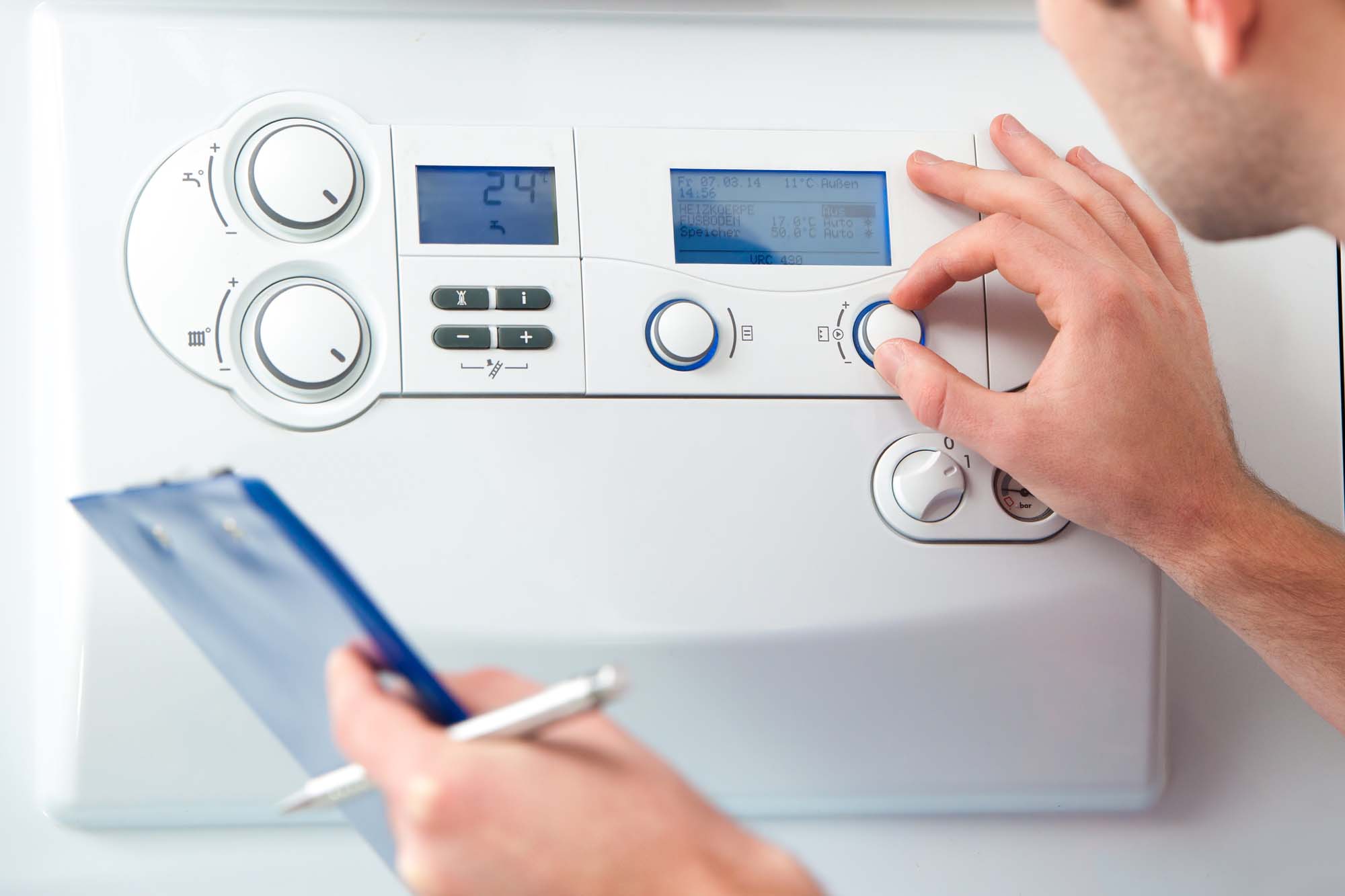
A new oil-fired boiler quote covers more than the appliance. The existing fuel supply, flue arrangement, location, heating circuit and controls influence what work is required. An apparently inexpensive appliance can be unsuitable for the installation, while two replacement quotations can differ because one includes necessary surrounding work and the other does not.
This guide explains oil-specific cost factors without giving price ranges or claiming this business's charges. It is separate from general oil-heating ownership and servicing advice. Graham Oliver Plumbing & Heating's existing service pages offer oil boiler installation and replacement; the actual model, professional requirements and work scope need assessment. No particular oil qualification, warranty or completion time is invented here. Homeowners should not open burners, alter fuel lines or undertake internal boiler repairs themselves.
Start with the existing oil-heating arrangement
The installer needs the current boiler details, location, hot water arrangement and symptoms prompting replacement. A heating-only boiler with stored hot water and an oil combi have different connections and suitability considerations. The new appliance should match household demand and the proposed system, not merely the old model's advertised output.
Explain recurring lockouts, fuel problems, cold rooms and any planned building work. Those details can reveal issues outside the boiler that replacement alone would not solve. An assessment should distinguish appliance renewal from changes to the heating circuit, cylinder or controls. That distinction is central to understanding what the quotation covers and why another proposal may include additional work.
Appliance type and location
An internal or external installation has different practical requirements. Access for maintenance, weather exposure, support and the available flue and service routes all matter. A new appliance that occupies a different space can introduce alterations around the old location, even where the basic heating arrangement stays the same.
Do not choose a model solely because its casing seems to fit the gap. Ask how the proposed location suits the appliance instructions and future servicing. Moving the boiler at the same time is a separate scope choice, with connection and finishing implications. A quote for a like-for-like replacement should not be assumed to cover relocating the equipment elsewhere in the property.
Fuel supply and tank condition
An oil boiler relies on a suitable fuel supply. Existing lines, filters, isolation arrangements and the tank's condition may need assessment during replacement planning. Fuel contamination or supply faults can cause poor operation even with a new appliance, so those concerns should not be overlooked.
Ask which fuel-side checks are included and whether any tank or line work is separate. Do not assume a new boiler quotation automatically includes tank replacement or that every existing arrangement can remain unchanged. Any work must be undertaken by someone competent for the equipment and fuel system involved. Homeowners should not disturb oil connections, drain fuel or try to clear burner components themselves.
Flue and condensate changes
The flue arrangement must suit the selected boiler, with its installation requirements assessed for the property. Existing parts or routes may not be compatible with the new appliance. Where condensate is produced, its drainage route also needs a suitable plan and attention to the conditions in which it will operate.
Ask whether the quote includes all required flue parts, access work and making good around old openings. A short apparent route is not proof that every termination or connection is suitable. The technical assessment matters more than a visual guess. Flue and appliance work are professional tasks; an oil boiler is not a safe DIY alternative merely because it does not use mains gas.
Heating water, emitters and controls
The condition of the heating circuit can affect the work needed when a new boiler is connected. Deposits, poor circulation, deteriorated valves and unsuitable controls can limit performance. Necessary cleaning or treatment should be based on the installation and manufacturer's requirements rather than assumed identical for every replacement.
Ask which parts are retained, what will be checked and why any upgrades are proposed. A room that remains cold because of an undersized radiator or poor flow will not necessarily improve simply because the boiler is new. If a hot water cylinder is involved, its compatibility and controls need assessment. Work on unvented cylinders requires appropriate G3 qualifications, without assuming that general oil-heating competence covers that separate task.
Removal, access and finishing
The old appliance needs removal and appropriate disposal, with safe handling of any disconnected services. Access through the property, heavy equipment and working around finished rooms can affect the job. A different footprint or pipe route may leave wall or floor areas requiring attention.
Confirm what the quotation includes for disposal, redundant connections, reinstatement and decoration. Those tasks are not always part of the same charge as the boiler installation. Ask how heating and hot water interruptions will be planned, particularly for vulnerable occupants. Clear ordinary access but do not disconnect the old appliance as preparation. The professional sequence should make the work manageable without creating avoidable safety or damage risks.
Commissioning and comparing the full quote
The new installation needs the appropriate checks and setup for the appliance and connected system. Normal controls should be demonstrated and relevant records provided. Do not treat commissioning as an optional item to remove from the quotation or assume that switching the appliance on completes every necessary check.
Compare quotations using the same appliance decision and surrounding scope: fuel supply, flue, circuit work, controls, access, disposal and making good. Ask what remains uncertain and how additional work would be agreed. Warranty and servicing conditions depend on the actual product and terms, not on a generic claim about oil boilers. Keep the quotation and installation information so future maintenance can follow the requirements that actually apply.
Frequently asked questions
- Does a new oil boiler quote include a new oil tank?
- Not automatically. Tank and fuel-supply work need assessment and an explicit scope. Ask which checks and any separate work are included.
- Can I compare quotations by the appliance price alone?
- No. Flue, fuel connections, circuit preparation, controls and finishing can change the complete work substantially.
- Will replacement solve every lockout or cold-room problem?
- Not necessarily. Fuel supply, circulation, controls and emitters can cause problems outside the appliance. Diagnose those issues before assuming replacement resolves them.
- Do you give an oil-boiler price range in this guide?
- No. It explains the factors that need assessment. The actual installation scope must be established before a meaningful quotation is given.
Talk to us about your plumbing or heating
Tell us what is happening and what you would like to change. Work and prices are confirmed after we have assessed your system.