
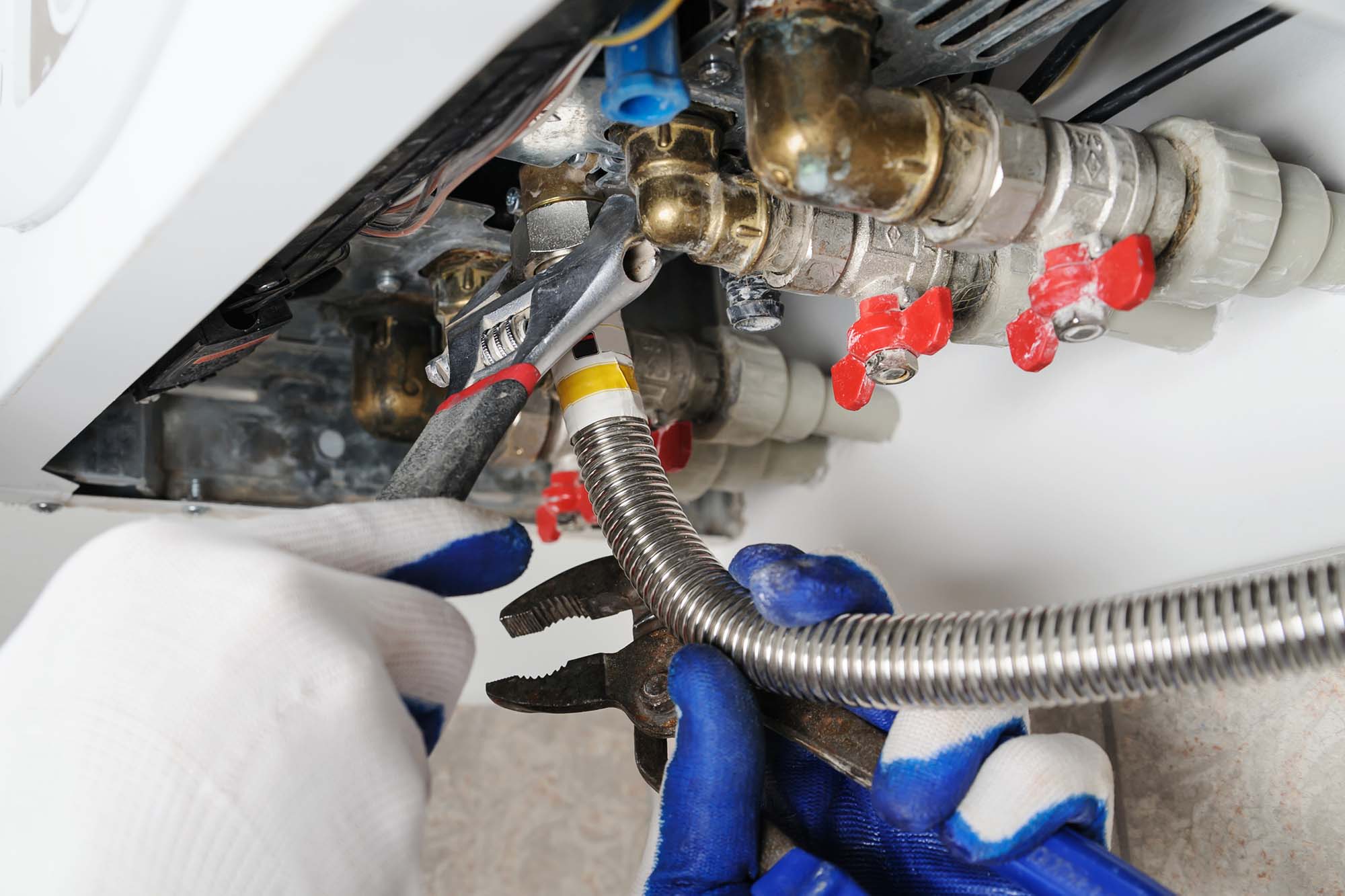
Oil boilers work hard and they do not tolerate neglect as well as some gas appliances. Heating oil leaves deposits as it burns, nozzles wear, filters clog and seals harden. A boiler that has not been serviced for a couple of years may still fire, but it is likely to be burning fuel less cleanly and moving closer to a breakdown.
This guide walks through what a typical annual service involves, why each part matters and what you can keep an eye on between visits. Oil appliance work should be done by a suitably competent technician, and OFTEC registration is the usual way homeowners check that.
Why oil boilers need a yearly service
Combustion of kerosene produces soot and scale that build up on the heat exchanger and in the flue. Even a thin layer acts as insulation, so less heat reaches the water and more goes out of the flue. Over time this raises fuel use and can lead to smoking, smells and lockouts.
The burner also relies on a small nozzle to atomise the oil into a fine spray. A worn or partly blocked nozzle gives a poor flame. Replacing it during a service is inexpensive compared with the fuel wasted, or the call-out needed, when it fails mid-winter.
What a technician usually checks
- Strip and clean the heat exchanger, baffles and combustion chamber.
- Replace the burner nozzle and check electrodes, fan and photocell.
- Clean or replace the oil filter at the boiler and check the line filter by the tank.
- Check seals, gaskets and the flue for soundness.
- Run a combustion analysis to set the burner correctly and record the readings.
- Check controls, safety devices and, where present, the fire valve.
- Look over the oil tank, supply line and any visible leaks or damage.
Combustion readings: the part you cannot see
After cleaning, the technician measures flue gases to check the burner is mixing oil and air in the right proportion. The readings show whether the boiler is running safely and efficiently, and adjustments are made until they fall within the manufacturer's range. Ask for the figures to be recorded on your service record, as they are useful when comparing one year with the next.
The oil tank and supply line
A service is a good moment to look at the whole fuel system. Check the tank for cracks, bulging, rust or weeping seams, and make sure the base is stable. Water and sludge collect at the bottom of tanks over time, and if drawn into the supply they can block filters and stop the boiler.
If the tank is ageing or sited too close to a boundary or building, the technician may recommend replacement. Tank rules exist to protect both the property and the environment, so take advice rather than ignoring signs of wear.
How long it takes and how to prepare
Allow a couple of hours for a standard domestic oil boiler, longer if it is badly sooted or parts need replacing. Clear access to the boiler and the tank, let the technician know about any recent faults, smells or noises, and have your previous service record to hand. The heating will be off for part of the visit, so it is worth booking outside the coldest weeks if you can.
Between services: what to watch for
Any of these is a reason to book a visit rather than waiting for the next service date. A carbon monoxide alarm should be fitted in the room with the boiler and tested regularly.
- Oil smell inside the house or around the boiler.
- Black smoke or soot marks at the flue terminal.
- Repeated lockouts or the reset button needing pressing.
- A drop in tank level that does not match your use.
- Unusual rumbling or a burner that struggles to light.
What your service record should show
A useful record lists the parts replaced, such as the nozzle and filters, the combustion readings before and after adjustment, any defects found and advice given. Keep these together with the boiler's manual and installation paperwork. When you sell the house, or if the boiler develops a fault, a clear history helps the next technician understand what has already been done.
If the technician flags a defect, ask how urgent it is. Some items, like a weeping seal, can wait a short while; others, such as a damaged flue or a leaking supply line, should be dealt with before the boiler is used again.
Servicing older oil boilers
Older non-condensing floor-standing oil boilers can keep going for many years, but parts may become harder to find and efficiency falls behind modern models. A service is a good moment to ask whether the boiler is nearing the end of its useful life and to plan replacement on your terms rather than after a winter breakdown.
Frequently asked questions
- How often should an oil boiler be serviced?
- Once a year is the usual recommendation, and many manufacturer warranties require it. Rental properties should follow the same pattern.
- Is an oil boiler service the same as a gas service?
- No. Oil boilers need more cleaning and a nozzle change, and the work is done by an oil-competent technician rather than a gas engineer.
- Will the service include my oil tank?
- A visual check of the tank and supply line is normally part of the visit. Repairs or replacement of the tank are separate work.
- When is the best time to book?
- Late spring to early autumn is ideal, so any faults found can be fixed before the heating season.
- Can I clean the boiler myself?
- Homeowners should stick to keeping the area clear and watching for warning signs. Burner and combustion work needs a competent technician.
Talk to us about your heating or plumbing job
Tell us what is happening and what you would like to change. Work and prices are confirmed after we have looked at your system.