
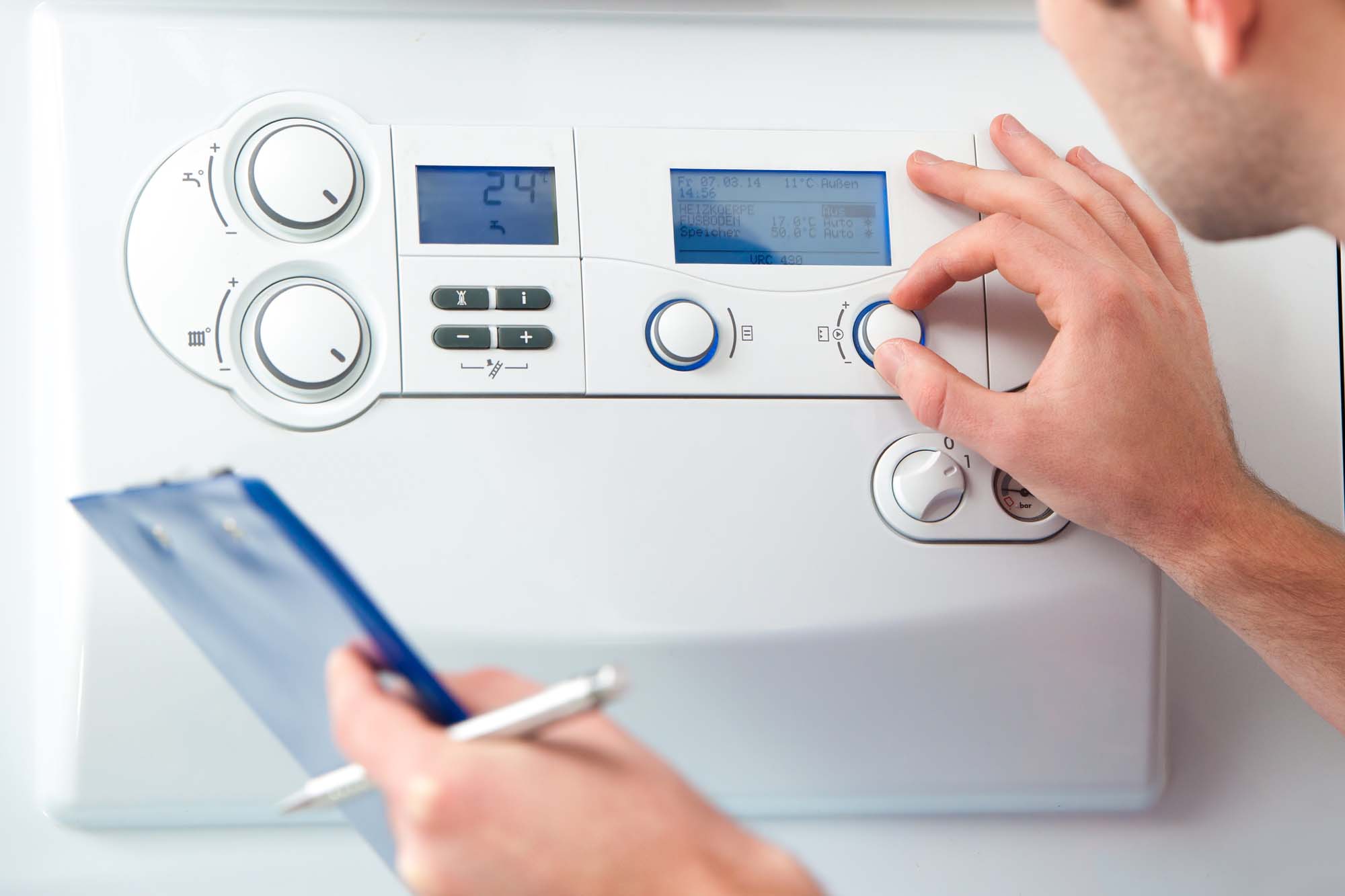
The time needed to fit a boiler depends on the work around it as much as the appliance itself. Replacing a compatible boiler in its existing position is different from converting the hot water system, moving the appliance or correcting old pipework. A useful schedule describes those stages rather than offering one duration for every home.
This guide concentrates on what changes the timetable and how to plan around it. It does not promise a fixed installation time or a response from this business. Ask for a property-specific plan after the survey, including the periods when heating or hot water will be unavailable. Gas boiler installation must be undertaken by a Gas Safe registered engineer qualified for the appliance and work involved. Homeowner preparation should never include disconnecting equipment or altering gas connections.
The survey determines the meaningful estimate
The installer needs to identify the existing boiler, connected heating and hot water arrangements, access, flue and condensate route. Those details establish whether the proposal is a straightforward replacement or a wider system change. A schedule given before that assessment can miss tasks that are essential to safe installation.
Explain any cold rooms, recurring faults and building work planned around the appliance. Tell the installer if the household has only one practical source of hot water or if vulnerable occupants need particular arrangements. The survey should also identify which parts can be checked in advance and which concealed conditions may only become clear once work begins.
Like-for-like is not the same as no changes
A replacement that retains the boiler type and location can reduce the number of alterations, but existing controls, pipe connections or a flue may still need changing. The new appliance instructions decide what is suitable. Old fittings that appear reusable can be unsound or incompatible, and access behind a cupboard can slow otherwise straightforward work.
Ask what the proposed schedule assumes will be retained. If it depends on existing valves working or a certain pipe route being usable, understand how a failure would affect the plan. That does not mean expecting every old component to fail; it means avoiding a timetable that silently assumes the entire surrounding installation is already suitable.
Conversions add stages and dependencies
Changing from a cylinder-based arrangement to a combi involves more than hanging a new boiler. Redundant tanks or cylinders may need removal, domestic pipework may change and supply performance must be checked. A different boiler type can also require new controls or changes to the heating circuit.
Each stage has to fit with the others. Removing stored hot water before the replacement is ready can increase disruption, while leaving redundant connections unresolved is not a shortcut. Ask which services will remain available during the work and how the transition will be managed. A conversion schedule should describe the full system change rather than use the timing of a simple appliance swap.
Moving the boiler can change the critical path
Relocation brings new gas, water, heating, electrical and condensate routes, as appropriate to the installation. The flue position and access for future maintenance also need assessment. Work may cross cupboards, floors or external walls, and making good can involve separate trades or stages.
Do not finalise a kitchen or cupboard installation around an unconfirmed position. Ask which tasks must happen before the boiler can be fitted and which finishing tasks happen afterwards. If another contractor is involved, agree responsibilities and access dates. Delays caused by unfinished wall preparation or an unavailable electrical connection are not solved by asking the gas engineer to commission the appliance before it is ready.
Cleaning, testing and commissioning take real time
System water condition and circulation need consideration when a new appliance is connected to an existing circuit. Any necessary cleaning, treatment, refilling and venting should form part of the plan. The required method depends on the system; it should not be assumed that every job has exactly the same cleaning stage.
Commissioning is not a spare task to be shortened if fitting has run late. The engineer needs to complete the appliance and connected-system checks, including relevant gas work by a suitably qualified Gas Safe registered engineer. Controls and hot water operation then need checking and demonstration. A boiler that powers on has not necessarily completed the installation process.
Plan disruption rather than just the finish date
Ask when water, heating and hot water will be interrupted, and whether those interruptions are continuous or occur in stages. Arrange access and move belongings from the agreed areas. If temporary heating is needed, use appropriate equipment safely; do not improvise with cooking appliances or obstruct work areas with extension leads.
Discuss pets, children and any need to use the property during the work. Normal access preparation can help, but removing covers or draining the heating circuit yourself can create problems. Agree how you will receive updates if additional work is identified. A useful plan gives you enough information to organise the household without turning an estimate into an unconditional guarantee.
Handover and unresolved work
The finished installation should include a demonstration of normal controls and relevant documentation. In Scotland, ask what building standards process and records apply to the work. Warranty arrangements depend on the actual appliance and agreed terms, so do not assume a particular length of cover from the installation timetable.
Confirm whether making good or other follow-up tasks remain and who is responsible. Keep the original schedule and any agreed changes with the work record. If the plan changes, ask why and what the next stage involves. A realistic installation schedule is a tool for organising safe work, not a competition to complete every replacement in the shortest possible period.
Frequently asked questions
- Can every boiler be fitted in the same amount of time?
- No. Boiler type, location, system changes, access and the condition of existing components affect the timetable. Ask for an estimate based on the surveyed scope.
- Does moving the boiler usually add work?
- It can add pipe routes, flue assessment, electrical requirements and making good. Those dependencies should be included rather than treated as an ordinary swap.
- Will I be without hot water for the whole job?
- The interruption pattern depends on the work. Ask which services will be unavailable at each stage so you can plan the household arrangements.
- Can commissioning be skipped if the fitting runs late?
- No. Required checks and setup are part of safe installation, including relevant gas work by a qualified Gas Safe registered engineer.
Talk to us about your plumbing or heating
Tell us what is happening and what you would like to change. Work and prices are confirmed after we have assessed your system.