
Replacing a boiler is a change to the heating system, not just a purchase of a new appliance. The existing water supply, radiators, controls, flue route and hot water arrangement all affect what will work. A boiler that looks suitable in a brochure can disappoint if those connections are ignored.
Start with the reason for replacing it. Repeated failures, unavailable parts, changes to household demand and a wider renovation are different starting points. An engineer should understand that reason before suggesting an appliance. This guide is about organising the replacement itself, from the first survey to the handover. It does not set a price or promise a particular completion time. Gas appliance installation and associated gas work require a Gas Safe registered engineer qualified for the work involved.
Describe how the household uses the system
Make a note of how many bathrooms are used, whether showers run together and whether hot water currently comes from a cylinder or directly from the boiler. Explain any rooms that stay cold, pressure problems or changes planned for the property. Those details help prevent a replacement from reproducing the limitations of the old arrangement.
A larger advertised boiler output is not automatically better. Space-heating demand and hot water delivery are separate considerations, particularly with a combi. The installer needs to check the building and the supply, not simply match the number on the old casing. Keep the existing model details and records available, but treat them as information rather than a specification for the replacement.
Decide what stays and what changes
A like-for-like replacement normally retains much of the heating arrangement, but that does not mean every existing component is suitable. Controls may be incompatible, a radiator circuit may be dirty, and valves or pipework may be deteriorating. Ask which parts are being retained and how their condition will be checked.
A conversion from a cylinder-based system to a combi is a wider project. Removing redundant tanks, changing hot water pipework and checking mains flow are separate tasks. Equally, keeping a cylinder may be the better choice where simultaneous demand is important. A clear survey distinguishes essential changes from optional upgrades, so you know what solves an existing problem and what is simply a preference.
Location, flue and condensate need a plan
A replacement in the same position still needs the proposed flue and condensate arrangements checked against the new appliance instructions. Existing openings and pipe routes are not automatically reusable. Access for servicing, clearance around the appliance and the ability to maintain the installation matter as much as appearance.
Moving the appliance introduces additional pipe routes and potentially different access or making-good requirements. Do not agree a cupboard layout before the installer has assessed those constraints. Photograph the existing position and explain any building work planned around it. Any gas pipe sizing, flue alteration or work inside the gas appliance belongs to a suitably qualified Gas Safe registered engineer, not a homeowner preparation task.
Read the replacement quotation as a scope
The quotation should identify the proposed boiler, controls and work required around the existing system. Ask about removal of the old appliance, cleaning or treatment of the heating water where needed, disposal, pipework changes and making good. If several quotations use different scopes, the headline total alone does not make them comparable.
Clarify who is responsible for electrical work, any building-standard requirements and the final paperwork. Do not assume that every manufacturer warranty is identical or that installation automatically gives a specific length of cover. The relevant terms should be explained for the selected appliance. Keep written confirmation of exclusions, especially where old pipework or concealed defects cannot be assessed fully before work starts.
Prepare for the period without heating or hot water
Ask which services will be unavailable and at what stages. A straightforward replacement and a conversion have different disruption patterns, and an unexpected defect can change the plan. Tell the installer if there are vulnerable occupants or if the property has only one practical source of hot water.
Clear normal access to the boiler and agreed work areas without removing covers, disturbing gas connections or disconnecting equipment. Move belongings away from accessible pipes and protect arrangements for pets and children. If temporary heating is needed, use suitable equipment safely rather than improvising with cooking appliances. Agree how updates will be given if the job uncovers additional work.
Commissioning is part of installation
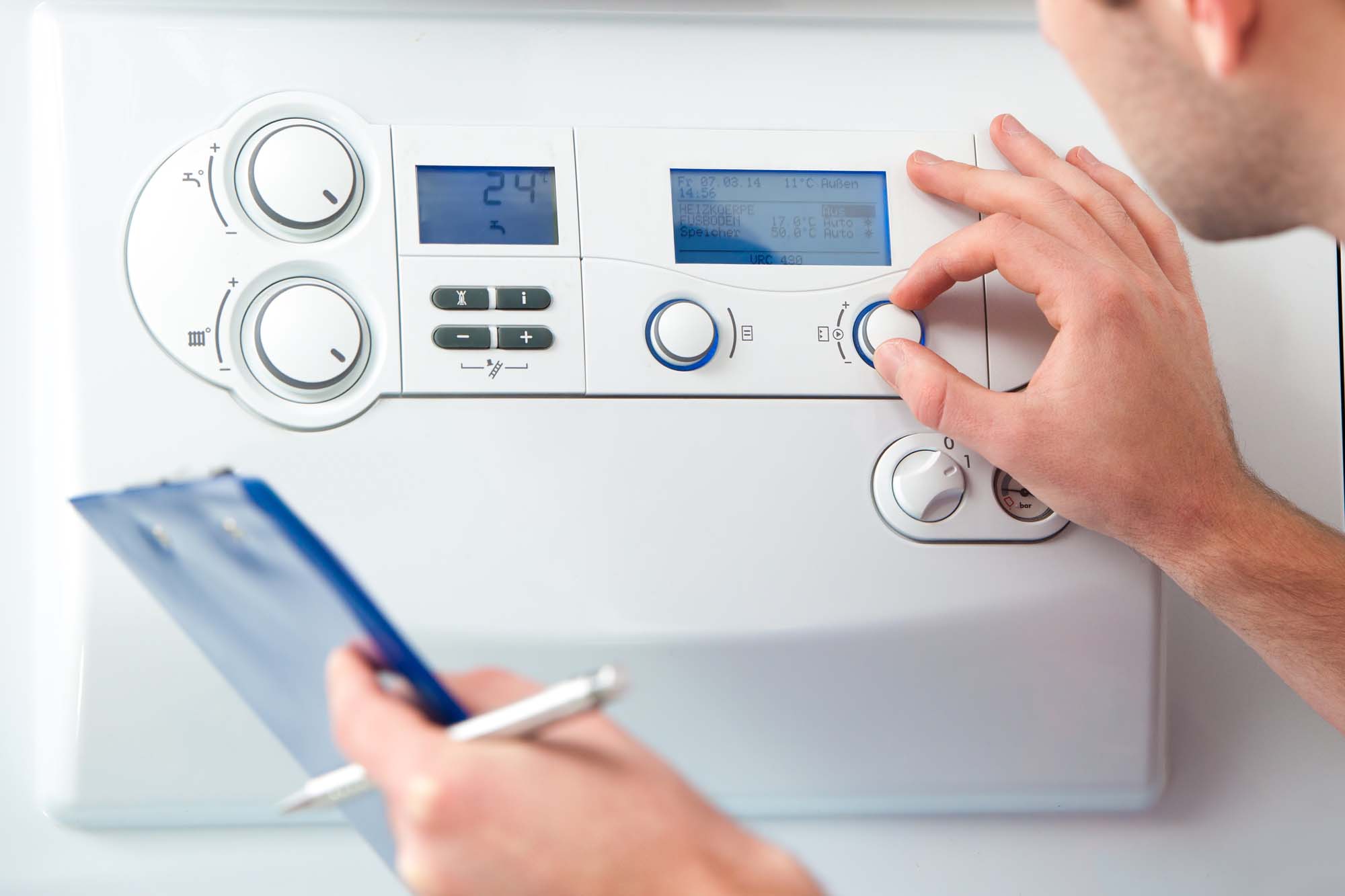
A fitted boiler is not ready simply because it switches on. The engineer must carry out the checks and setup required for that appliance and the connected system. Heating circulation, controls, hot water operation, safety and relevant combustion checks all belong to the professional handover, with gas work undertaken by a Gas Safe registered engineer.
Ask for the user controls to be demonstrated. Learn how to recognise the normal pressure indication, adjust ordinary schedules and find the appliance manual. Do not copy settings from another boiler or alter service parameters. Where an unvented cylinder forms part of the work, it requires an installer with appropriate G3 qualifications; those qualifications are separate from a general claim about being a plumber.
Keep records and know what to report
Keep the quotation, commissioning information, user instructions and any warranty registration confirmation together. In Scotland, ask the installer to explain the applicable building standards and documentation rather than assuming an English notification process applies. Arrange future maintenance according to the manufacturer instructions and the terms that actually apply to your appliance.
Report leaks, repeated pressure loss, unexplained fault codes or controls that do not behave as demonstrated. A small adjustment after installation is different from ignoring a continuing fault. The aim of replacement is a working heating arrangement that suits the household, with understandable controls and a clear maintenance route, not merely a newer appliance on the wall.
Frequently asked questions
- Must a replacement boiler be the same type as the old one?
- No. The right type depends on the household, water supply and existing system. A change of type can involve additional work and should be assessed before an appliance is chosen.
- Will I need every radiator replaced?
- Not automatically. Existing radiators and circulation should be checked, with any replacement recommended for a stated reason rather than because the boiler is new.
- Who can replace a gas boiler?
- A Gas Safe registered engineer qualified for the appliance and gas work involved. Homeowners should not remove covers, disconnect gas or alter the flue themselves.
- What should I receive at handover?
- A demonstration of normal controls, user instructions and relevant installation and commissioning records. Ask which notification and warranty arrangements apply to the actual appliance and property.
Talk to us about your plumbing or heating
Tell us what is happening and what you would like to change. Work and prices are confirmed after we have assessed your system.