
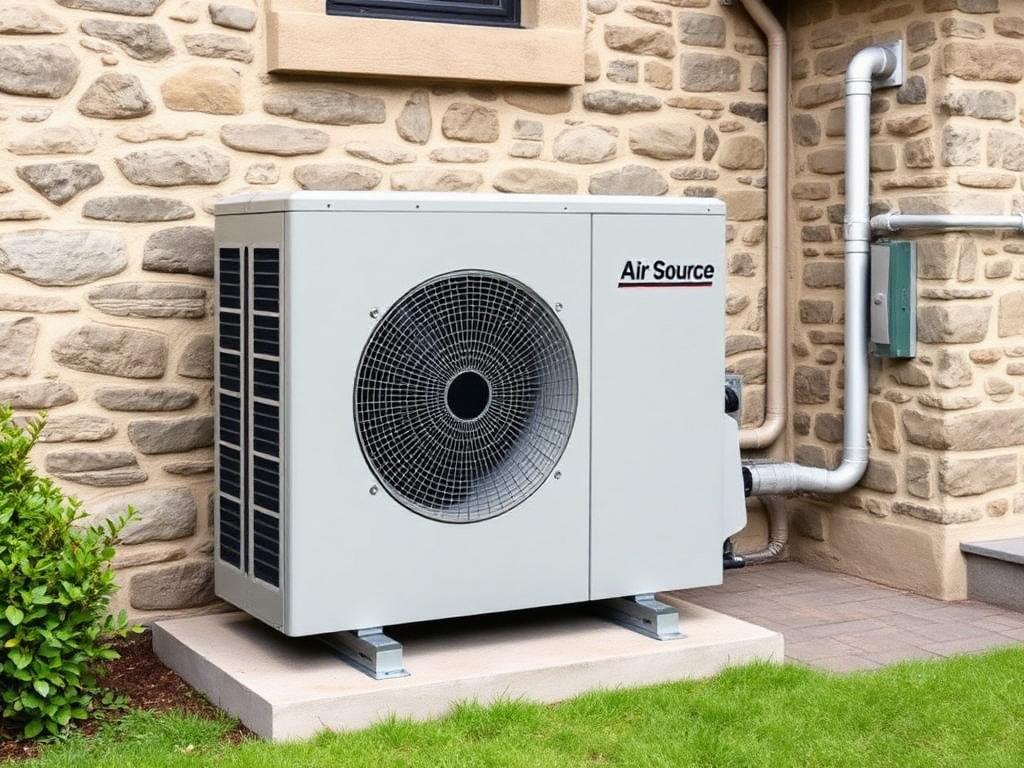
Heat pumps are lower maintenance than a gas boiler in some respects, but they are not maintenance free, and manufacturers generally require an annual service to keep the warranty valid. This guide explains, in plain terms, what a competent annual service actually looks at and why each check matters.
This is general, informational content on what servicing involves. If you own a heat pump, check with your installer or manufacturer about who is qualified to carry out servicing on your specific system and what your warranty requires.
Filters, strainers and water quality
Like any wet heating system, a heat pump circulates water through filters and strainers that catch debris and need periodic cleaning. Water quality is checked too: inhibitor levels are tested and topped up if needed to protect against corrosion and limescale inside the pipework and heat exchanger.
Glycol strength, where fitted
Some systems, particularly those with outdoor pipe runs at risk of freezing, use a glycol antifreeze mixture in part of the circuit. Where glycol is present, its concentration is checked, since a mixture that has degraded or been diluted no longer offers the intended freeze protection.
Flow rate and delta T
A heat pump depends on the right volume of water moving through the system at the right rate. An engineer will typically check the flow rate and the delta T, the temperature difference between the water leaving and returning to the unit, since a flow rate that is too low or too high both undermine efficiency and can trigger fault codes.
Refrigerant circuit and F Gas requirements
Heat pumps contain a sealed refrigerant circuit that, under UK F Gas regulations, must only be worked on by engineers holding the appropriate refrigerant handling qualification. A service typically includes a visual and instrument check of the refrigerant circuit for leaks or unusual pressures, without opening the sealed system unless a fault has already been identified.
Coil cleaning and condensate drainage
The outdoor unit's coil can gather leaves, dust and general debris over a year, which reduces its ability to extract heat from the air, so cleaning the coil is a routine part of a service. Condensate produced by the unit needs a clear route away through the tray and drain; a blocked drain can lead to icing or water pooling around the base of the unit.
Controls, weather compensation and the cylinder
An engineer will typically check that the controls and any weather compensation curve are still set correctly for the property, since settings can drift or be changed accidentally. On the hot water side, the cylinder and its immersion backup, where fitted, are checked, along with the expansion vessel, which needs to hold the correct pressure to protect the system from damage as water expands when heated.
What owners can reasonably do themselves
- Keep the area around the outdoor unit clear of leaves, snow and garden debris
- Check periodically that the condensate drain area is not blocked or iced over
- Keep an eye on the system pressure gauge if one is visible to you, and note anything unusual
- Report error codes or unusual noises promptly rather than waiting for the next scheduled service
Warranty conditions and timing
Most manufacturers make annual servicing a condition of keeping the warranty valid, and will ask to see service records if a warranty claim is made later. Many owners choose to schedule servicing in early autumn, ahead of the heating season, so any issues are caught before the coldest months rather than during them, though servicing can generally be carried out at other times of year too.
Frequently asked questions
- How often does a heat pump need to be serviced?
- Annually is the standard requirement from most manufacturers to keep the warranty valid, though always check the specific terms for your unit.
- Can I service the refrigerant circuit myself?
- No. Work on the sealed refrigerant circuit requires an engineer with the relevant F Gas qualification under UK regulations.
- What happens if I skip a year of servicing?
- Beyond the risk of reduced efficiency or an undetected fault, skipping servicing can invalidate your manufacturer's warranty, since most require documented annual servicing.
- Is servicing a heat pump different from servicing a gas boiler?
- Yes. There is no combustion or flue to check, but there is a refrigerant circuit, an outdoor coil and often a glycol mixture and expansion vessel to assess instead, so the checks are different rather than simpler.
- When is the best time of year to book a service?
- Early autumn is a common choice, ahead of the heating season, though this is a preference rather than a strict requirement in most cases.
Considering a heat pump installation or want heating advice
We install air source heat pumps and central heating systems across the Scottish Borders and East Lothian. Get in touch to talk through your options.