
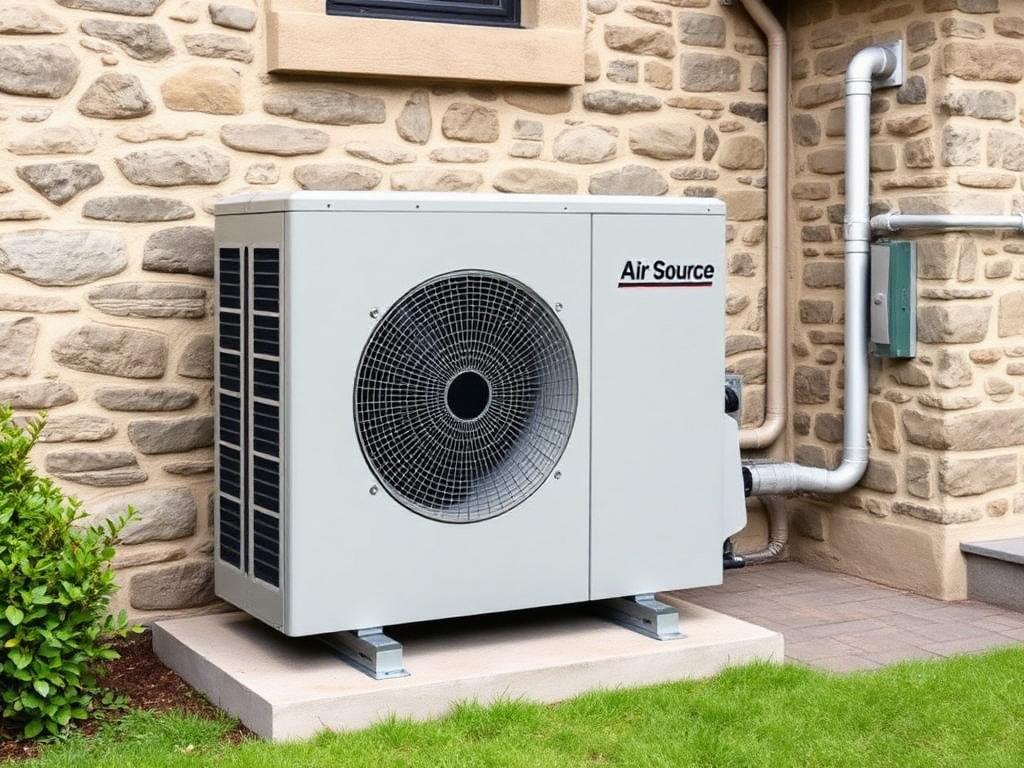
We get asked this more than almost anything else, and the honest answer is: it depends on the house, not on the technology in general. A heat pump can be an excellent long term choice in one property and a frustrating, expensive one in the house next door if the fabric and system are not right for it.
This guide sets out where we see heat pumps genuinely earn their keep across the Borders and East Lothian, where they are a harder sell, and the handful of technical factors that decide whether running costs feel reasonable or painful.
Where they tend to work well
- Homes with decent insulation, particularly loft and cavity or good quality solid wall insulation
- Properties already on a wet central heating system, rather than electric storage heaters or no wet system at all
- Houses currently on oil or LPG, where fuel costs are high and a plant room already exists for a cylinder
- Rural properties in the Borders off the gas grid, where the fuel comparison is more favourable than against mains gas
- Homes where radiators can realistically be upsized or underfloor heating is already fitted
Where it gets harder
- Solid stone cottages with limited scope for internal or external insulation and characterful but hard to heat rooms
- Properties with very little external space for the outdoor unit or where neighbours are close by
- Older systems on narrow microbore pipework, which was never designed for the flow rates a heat pump needs
- Households wanting instant, combi style hot water with no cylinder space to give up
What actually determines your running cost
Two identical looking heat pumps can perform very differently depending on three things: the SCOP (seasonal coefficient of performance), the flow temperature the system is set to run at, and your electricity tariff. A heat pump running at 35C flow temperature with well matched radiators will typically deliver a noticeably higher seasonal efficiency than the same unit forced to run at 55C because the radiators are too small.
SCOP figures published by manufacturers assume a well designed, well commissioned system. A poorly sized system, or one left on factory default settings rather than commissioned for your house, will not achieve anywhere near its rated performance.
What day to day living is actually like
Heat pumps are generally left running for longer periods at a steadier, lower temperature rather than switched on and off in short bursts like a gas boiler. Many owners describe the house feeling more evenly warm through the day. Hot water recovery from a cylinder is slower than a combi boiler, which matters if your household is used to running the shower again minutes after the last one finished.
Being honest about the downsides
- Higher upfront cost than a like for like gas boiler swap, even after funding
- Radiator or pipework upgrades add disruption during installation that a straight boiler swap does not
- The outdoor unit produces some operating noise, generally low but worth considering for siting near bedrooms
- Running costs depend heavily on your electricity tariff, and are not automatically cheaper than gas in every case
Worth it or think harder: a quick guide
| Situation | Likely verdict |
|---|---|
| Good insulation, wet system, off gas grid on oil | Usually worth serious consideration |
| Solid stone, tiny microbore pipework, no plant space | Needs careful survey, may be harder and costlier |
| Already have underfloor heating downstairs | Generally a strong fit for low flow temperatures |
| Want purely combi style instant hot water with zero cylinder space | Likely to find a heat pump a harder adjustment |
Frequently asked questions
- Will a heat pump definitely cost less to run than my gas boiler?
- Not automatically. It depends on your SCOP, the flow temperature the system runs at, your electricity tariff and your gas price. Well specified systems in suitable homes often compare favourably, but it is not guaranteed in every case.
- Is my old stone house a lost cause for a heat pump?
- Not necessarily, but it needs a careful survey. Insulation improvements and larger radiators can make a real difference, though the numbers may look different from a modern well insulated house.
- Do heat pumps make a lot of noise?
- Modern units are generally quiet in normal operation, but siting still matters, particularly close to bedroom windows or a neighbour's boundary.
- Can I keep my existing radiators?
- Some, possibly not all. A heat loss survey will show which radiators are already large enough for lower flow temperatures and which would need upsizing.
Want an honest opinion on your specific house
Book a survey and we will tell you plainly whether a heat pump is a good fit before you commit to anything.