
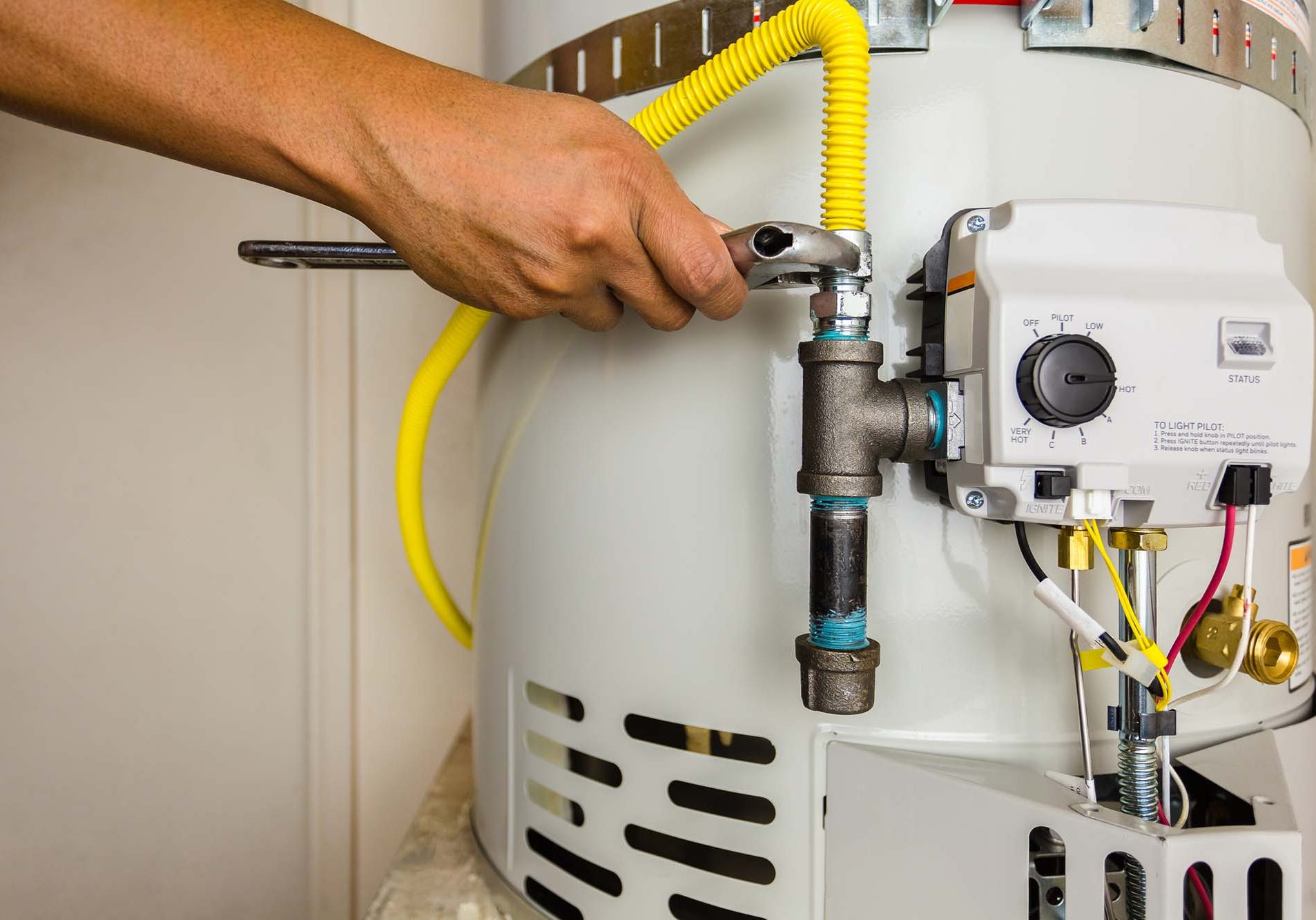
The stopcock is the valve that turns off the water to your whole home. Most people never touch it until a pipe bursts, and that is exactly when they discover it is stuck solid. A seized stopcock turns a manageable leak into a flood while you search for help.
This guide explains how to find and test your stopcock, safe ways to deal with a stiff one, when it should be replaced and what else can shut off water in an emergency.
Find your stopcock now
Inside the house, the stopcock is usually where the mains pipe enters: under the kitchen sink, in a utility room, under stairs, near the front door or in a cellar. In some older properties it may be under floorboards. There is also usually an external valve at the boundary, which belongs to Scottish Water in Scotland and should only be operated by them in most circumstances.
Make sure everyone in the household knows where the internal stopcock is. Label it if it is hidden among other pipes.
Test it once or twice a year
Turn the stopcock clockwise to close it and check that water stops at a cold tap. Then open it again fully, anticlockwise, and turn it back a quarter turn to reduce the chance of it seizing in the fully open position. Do this gently. If it is very stiff, stop rather than forcing it.
Why stopcocks seize
- Limescale builds up on the spindle and inside the valve, especially in hard water.
- Corrosion of old brass components.
- Washer and gland packing harden after years untouched.
- Paint or debris around the spindle.
Safe ways to free a stiff stopcock
Apply gentle, steady pressure rather than sudden force. A cloth around the handle improves grip. A small amount of penetrating lubricant around the spindle, left to work, can help. Warming the valve body gently with a hairdryer, never a flame, sometimes frees scale. Try small movements in both directions to break the seal.
Do not use long levers or heavy tools. Old stopcocks can snap, and a broken spindle or valve on the incoming main is a serious problem that needs Scottish Water or an emergency plumber.
A stopcock that leaks when turned
Once a stiff stopcock moves, water may weep from around the spindle. The gland nut just below the handle can often be tightened slightly to stop it. If the weep continues, the gland packing or the whole valve needs replacing. Do not ignore a constant drip, as it can damage cupboards and floors.
When replacement is the answer
Replace a stopcock that will not turn, will not shut off fully, leaks persistently or is badly corroded. Many homeowners choose to replace an old stopcock with a quarter-turn lever valve, which is easier to operate in an emergency and less prone to seizing. Replacing the internal stopcock usually requires the water supply to be turned off at the external boundary valve, which may need Scottish Water's involvement.
While the supply is off, it can make sense to check the incoming pipe for lead and consider any other work on the main, such as fitting a pressure reducing valve or a water softener connection.
What to do in an emergency with a seized stopcock
- Look for other isolation valves closer to the leak, such as under sinks or on toilet supplies.
- If you have a cold water tank in the loft, close its outlet valve to stop gravity-fed supplies.
- Open cold taps to drain the system where possible.
- Switch off the boiler and immersion heater if hot water pipes are affected.
- Turn off electrics in affected areas if water is near sockets or lights.
- Contact an emergency plumber, and Scottish Water if the external valve is needed.
Shared supplies in flats and older properties
In some tenements and older properties, several homes share a supply pipe, and one stopcock may control more than one flat. Find out how your supply is arranged and who holds access to any shared valves. This matters when replacing a stopcock, as neighbours may lose water while work is carried out.
Lead pipes and older mains
Older homes may still have lead pipework on the incoming main. Lead pipes are a health concern for drinking water, and they can also make replacing a stopcock more complicated because joints need specialist fittings. If your stopcock is on a lead pipe, ask about replacing that section at the same time. Scottish Water can advise on their responsibilities for the supply up to the boundary.
Stopcocks in awkward places
If your stopcock is under floorboards, behind kitchen units or in a cellar, consider having it moved or an extra isolation valve fitted in an accessible position. In an emergency, every second spent clearing a cupboard or lifting boards means more water damage.
Frequently asked questions
- Should I force a stuck stopcock?
- No. Excessive force can snap old valves. Use gentle methods and call a plumber if it will not move.
- Can I turn off the outside valve?
- In Scotland the boundary valve normally belongs to Scottish Water. Contact them before operating it, except in genuine emergencies where advised.
- What is a quarter-turn stopcock?
- A lever-operated valve that opens and closes with a quarter turn, easier to use in an emergency.
- How often should I test my stopcock?
- Once or twice a year, gently, to keep it free.
- Who replaces a stopcock?
- A plumber, often coordinating with Scottish Water if the supply must be turned off at the boundary.
Need a plumber to take a look?
Tell us what is leaking, dripping or not working. We confirm the repair and the price once we have seen it.