
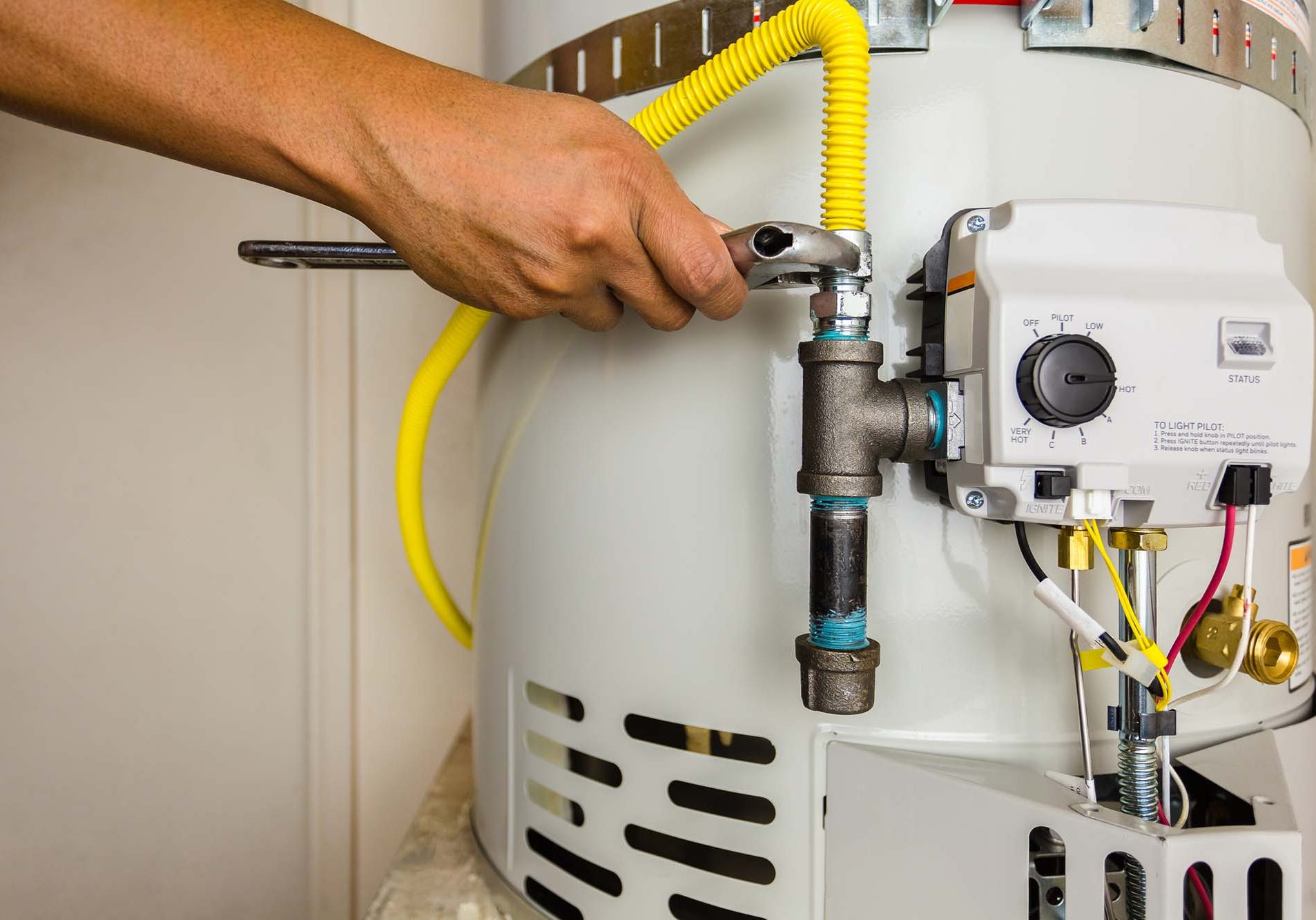
A pressure reducing valve controls the downstream pressure of an incoming water supply. It is useful where mains pressure is higher than the plumbing or connected appliances should receive, but it is not a general cure for every noisy tap. First establish what the pressure actually is and where the symptoms occur.
This guide concerns domestic water pressure reducing valves, often shortened to PRVs. That abbreviation is also used for pressure relief valves, which have a different safety function. Tell the plumber whether you mean a valve on the incoming cold supply, a cylinder inlet control or a boiler discharge device rather than relying on the initials alone.
High mains pressure: symptoms need measurements
Forceful taps, splashing, pipe noise and repeated problems with tap cartridges or toilet fill valves can justify a pressure check. None proves excessive pressure on its own. Poorly supported pipework, fast-closing valves and worn components can cause similar symptoms, so replacing parts without measuring the supply can lead to repeated disappointment.
A plumber should measure static pressure with outlets closed and working pressure while water is flowing. Supply conditions can change during the day, so intermittent problems may need readings at different times. Record which outlets are affected and whether the symptom follows a particular appliance stopping. Do not tighten every accessible valve to try to tame the supply before diagnosis.
Pressure, flow and what the valve actually changes
Pressure is the force available to move water; flow is how much reaches an outlet over time. A house can have high static pressure but disappointing flow through a restricted service pipe. A reducing valve lowers and regulates pressure downstream within its operating limits. It cannot enlarge the incoming pipe or create more water when several outlets compete.
A suitable setting must respect the connected appliances, pipework and the valve manufacturer's limits. There is no single setting that is correct for every house. If only one fitting is rated for a lower pressure, the plumber may consider local control or a different fitting rather than assuming the entire property needs the same alteration.
Where a pressure reducing valve is fitted
A whole-house valve is commonly installed on accessible incoming cold pipework after the internal stop tap, with the precise arrangement determined by the installation requirements. Location should permit reading a gauge where fitted, servicing the strainer and replacing the cartridge. Hiding it behind permanent joinery saves visible space but creates avoidable maintenance problems.
The plumber checks pipe size, flow capacity, flow direction and suitable isolation. The supply is shut off and pressure released before the pipe is altered. Once fitted, the valve is set and tested at outlets under static and flowing conditions. Approved materials and compliance with the applicable water supply requirements matter, not just whether the threaded connections happen to fit.
Unvented cylinders have their own control arrangements
An unvented hot water cylinder normally has an inlet control assembly including pressure regulation and other protective components. Its required pressure setting is specific to the cylinder and control set. Do not turn an adjustment screw to make the shower stronger or replace a control group with a generic valve chosen only by connection size.
Balanced cold supplies may be taken from the regulated side where the system design requires it, helping mixers receive compatible hot and cold pressures. Any additional whole-house regulation must be assessed alongside that arrangement. Work on unvented cylinder safety controls needs a suitably qualified competent installer with unvented hot water competence, often called G3. The exact regulatory requirements depend on the UK jurisdiction.
Expansion, discharge and noises after fitting
Pressure regulation can interact with non-return valves and expansion arrangements. When heated water cannot expand back towards the supply, appropriate expansion provision is essential. A reducing valve is not an expansion vessel, and fitting one does not remove the need to check how the system handles thermal expansion. Hot-water pressure rising during reheating needs investigation.
Water discharging through an unvented cylinder tundish is a warning to arrange competent inspection, not an invitation to block the pipe. Very hot discharge, steam or signs of overheating need urgent attention: keep clear, stop heat input only if safe and seek help. Banging after a fast-closing valve operates may need pipe support or water-hammer measures as well as a pressure assessment.
Maintenance and signs the valve needs attention
Debris can obstruct a strainer or prevent a valve seating correctly. A failed or worn cartridge may allow downstream pressure to creep upwards when outlets are closed. Conversely, restricted components can reduce flow. The diagnosis needs readings on the appropriate sides of the assembly and consideration of hot-water expansion, not an automatic assumption that the adjustment has moved.
Keep the valve accessible and note the agreed setting after commissioning. Arrange servicing in line with the manufacturer's instructions and water conditions. Do not dismantle a pressurised assembly or remove an unvented cylinder control group yourself. Never bypass a safety device because it appears to restrict flow, and do not alter a boiler filling connection to compensate for domestic pressure problems.
Typical UK costs and preparing for a visit
Typical UK ranges, not this business's prices, are around £30 to £100 for a basic domestic pressure reducing valve supplied only and £150 to £350 for straightforward fitting on accessible pipework. Larger valves, gauges, additional isolation or difficult access can increase the total. An unvented cylinder inlet control replacement might typically cost £200 to £500 or more, depending on the specified parts and associated checks.
These are different jobs, so ask which valve the quote covers and whether testing, VAT and making good are included. We can assess pressure issues through plumbing repairs or examine cylinder-related concerns through our unvented-cylinder service, with prices quoted after a survey. Provide photos of accessible controls and describe the symptoms, but leave covers and safety devices alone. Any gas work needs a Gas Safe registered engineer.
Frequently asked questions
- Can I turn down the stop tap instead?
- Partly closing it may restrict flow while water is running, but it does not reliably regulate static downstream pressure. It can also create noise or make normal use inconvenient. Use the stop tap for isolation, not as a substitute for a correctly selected pressure reducing valve.
- Will a reducing valve improve my shower?
- It may help where excess pressure or an imbalance is part of the problem, but it cannot boost a weak supply. The shower's requirements, hot-water system and flow available during simultaneous use all need checking before promising a better result.
- Why does pressure rise after the valve is fitted?
- Possible causes include a valve that does not seat properly, debris or thermal expansion in a closed section of pipework. A pressure rise is a reason to test the arrangement, not simply keep turning the setting down. Cylinder-related issues need an appropriately competent installer.
- Is this the same as my boiler pressure valve?
- No. A mains pressure reducing valve controls incoming domestic water pressure. A boiler pressure relief valve releases heating water when its safety threshold is reached. They serve different circuits and purposes, and neither should be adjusted or blocked to compensate for a fault elsewhere.
Arrange a water pressure assessment
Tell us about your existing system and planned changes. Work is quoted after a survey.