
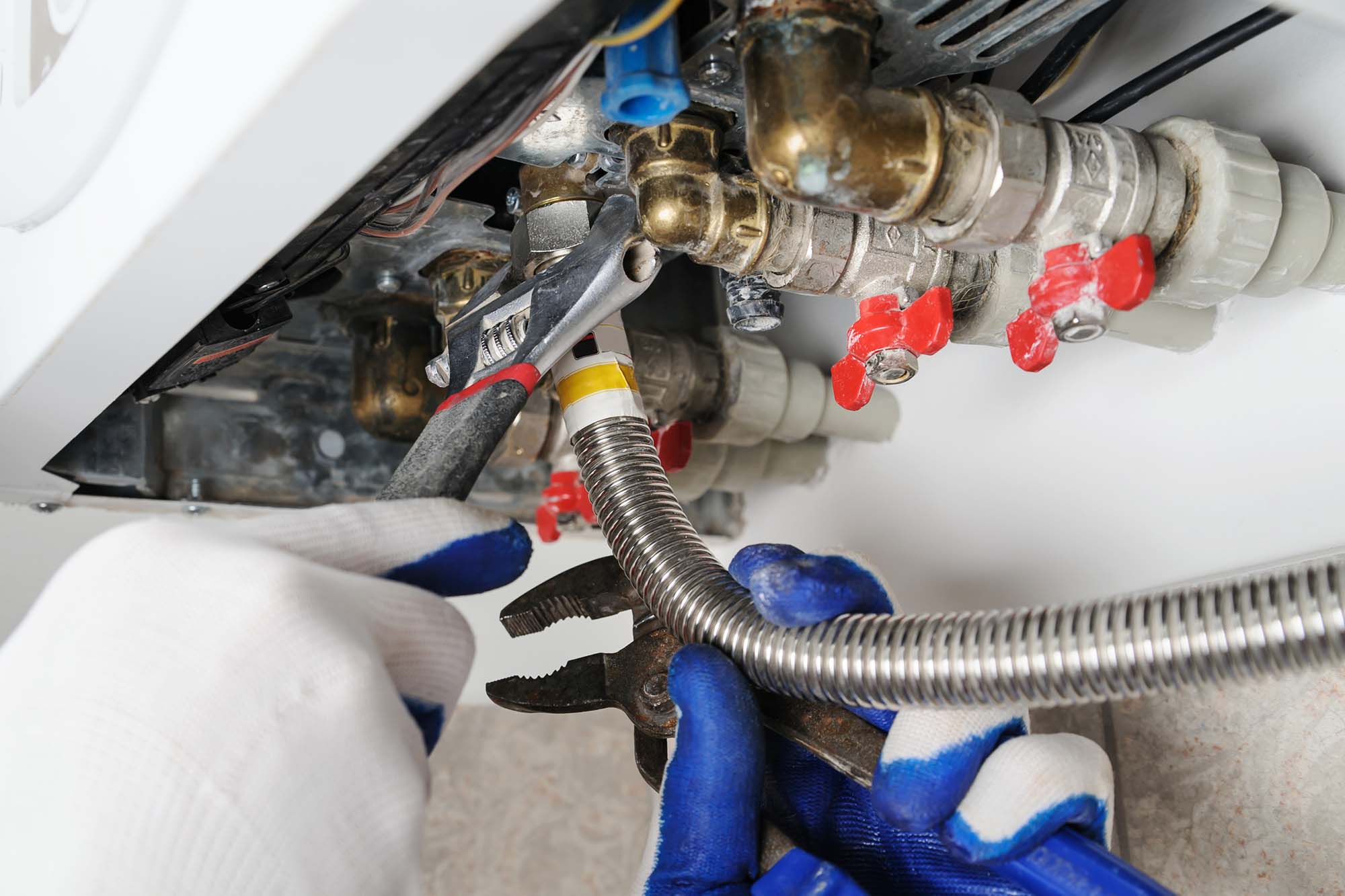
A routine service on a gas boiler normally takes around an hour. Oil boilers usually take longer, because the burner, nozzle and filters need more attention, and any service stretches if the engineer finds a fault, needs to clean out a heavily fouled condensate trap or cannot easily reach the boiler. You will usually need to be without heating and hot water for part of the visit.
The time is spent on checks you cannot do yourself: opening the case, inspecting and cleaning components, measuring what the boiler is burning and confirming its safety devices work. A service that takes a few minutes and never removes the case is not a service.
What happens during the visit
- A visual check of the boiler, flue and surrounding area for signs of trouble
- Removing the case and inspecting the burner, heat exchanger and seals
- Cleaning or clearing parts that collect debris, including the condensate trap
- Checking gas pressure and flue gas readings with an analyser
- Testing safety devices, controls and the system pressure
- Confirming the flue terminal is clear and correctly positioned
- Recording the results and telling you about anything that needs attention
Gas, oil and LPG
Gas combi and system boilers are the quickest. Oil boilers involve replacing the nozzle and filter, cleaning the combustion chamber and checking the fuel supply, which is why they take longer. In rural parts of the Borders, where oil and LPG are common, allow more time than a friend in a town on mains gas might tell you. Our oil heating guide explains what those boilers need.
What can make it longer
Finding a fault is the main one. If a part is worn, the engineer will tell you what it is and whether it can be replaced on the day or needs ordering. Poor access adds time too, particularly boilers in lofts or tight cupboards. Sludge in the system, visible as dark water from a radiator bleed or cold patches at the bottom of radiators, is often spotted during a service and may lead to a separate conversation about cleaning the system.
How to get the most from the visit
- Clear space around the boiler and make any loft hatch accessible
- Mention noises, pressure drops or fault codes you have noticed
- Have your last service record and warranty details to hand
- Ask about controls you do not understand while the engineer is there
Why annual servicing matters
Manufacturers generally recommend a service every year, and most boiler warranties depend on it being done and recorded. Beyond the paperwork, a service catches small issues before they become breakdowns in the middle of winter, keeps the boiler burning efficiently and confirms it is safe. For landlords, a service can be done at the same visit as the annual gas safety check.
Frequently asked questions
- Will I have heating during the service?
- Not for all of it. The boiler is switched off while it is opened and cleaned, then run and tested before the engineer leaves.
- Does a service include repairs?
- A service includes inspection, cleaning and testing. If a part needs replacing, the engineer explains what and why, and the repair is agreed with you separately.
- How often should a boiler be serviced?
- Once a year is the usual manufacturer recommendation, and it is normally a condition of the warranty.
- Do you service oil and LPG boilers?
- Yes. Oil and LPG boilers are common in rural Borders homes and we service them alongside gas boilers.
- Can the service be combined with a gas safety check?
- Yes. Mention it when booking so the visit is long enough for both.
Due a boiler service?
Tell us the boiler make and fuel type and we will book a visit.