
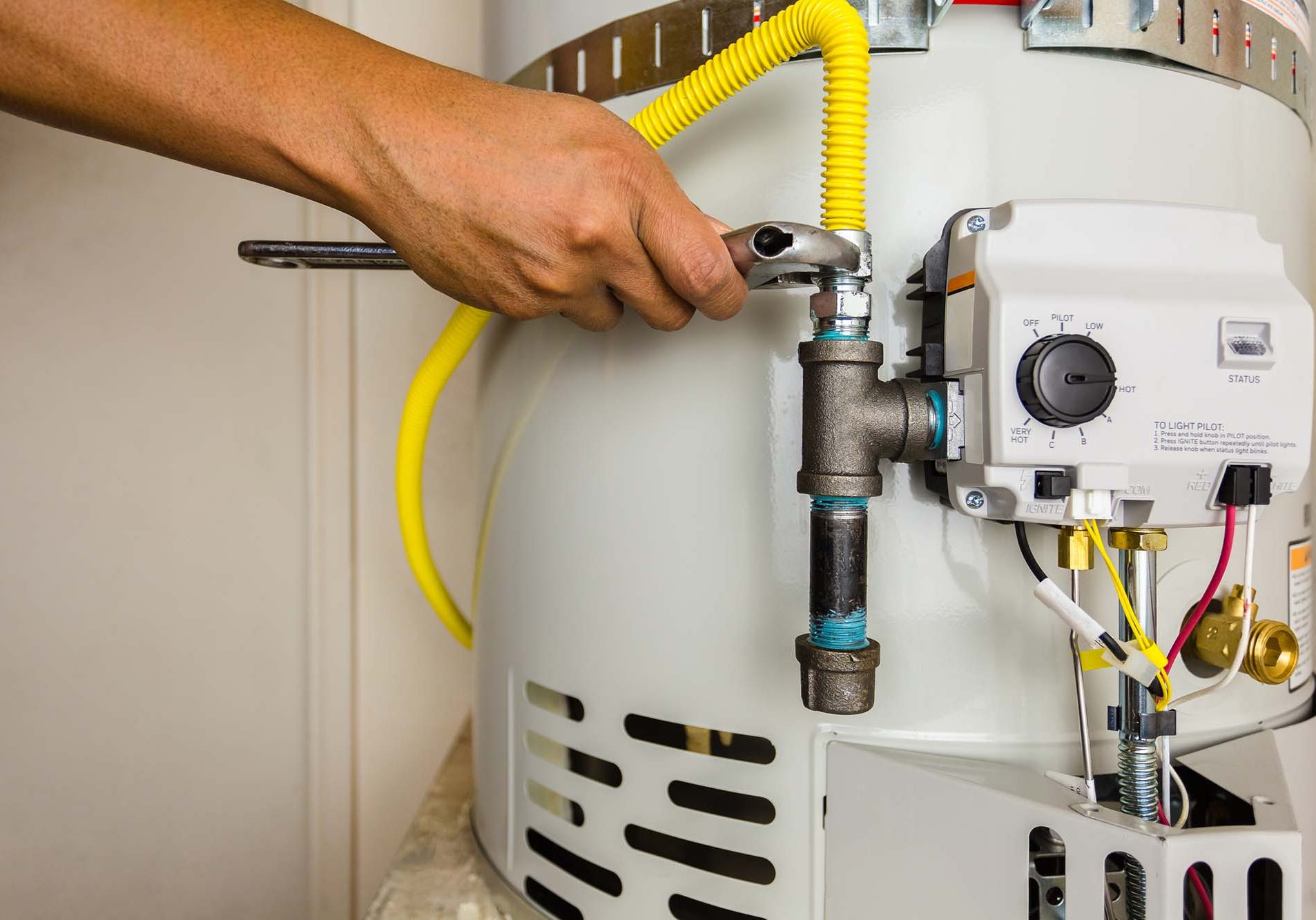
Microbore pipework uses very narrow copper tubes, typically 8mm or 10mm, to carry water to each radiator. It was widely installed from the 1970s onwards because it is quick to run under floors and around rooms. Many systems still work perfectly well with it. Others suffer from cold radiators, blockages and noise that can be traced back to those narrow pipes.
This guide explains how microbore systems work, the problems they cause, and the realistic options if your heating is affected, including what it means for a future heat pump.
How to recognise microbore pipework
Look at the pipes coming up to a radiator valve. Standard heating pipes are usually 15mm, about the thickness of a pencil and a bit. Microbore is noticeably thinner and often bends in soft curves rather than with fittings. Many systems have larger main pipes running to manifolds, from which pairs of microbore pipes feed individual radiators.
Manifolds are often hidden under floorboards, sometimes in a hallway or landing. Knowing where they are is useful when diagnosing problems.
Common problems
- Blockages from sludge or magnetite, which narrow pipes cannot tolerate.
- Individual radiators going cold while others work.
- Whistling or rushing noises from high water velocity.
- Kinked or crushed pipes under floors where boards were lifted and replaced.
- Difficulty balancing the system so every room heats evenly.
Why sludge is a bigger issue
All heating systems produce some corrosion debris over time. In wide pipes, a little sludge often settles harmlessly in radiators. In microbore, the same debris can block a pipe completely. A single cold radiator on an otherwise healthy system is often a partial blockage in its feed.
Keeping the water clean is the best protection: correct inhibitor levels, a magnetic filter on the return to the boiler and dealing with leaks promptly so fresh oxygenated water is not constantly added.
Can microbore be flushed?
Yes, but with care. Power flushing pushes water and cleaning chemicals through the system at high flow. On microbore, it can clear sludge, but stubborn blockages may need individual radiator circuits to be flushed separately, and in some cases a section of pipe must be cut out and replaced. A good engineer will explain the likely outcome before starting.
Very old pipework may also be thin or corroded internally. Flushing can expose weak points that were previously sealed by debris, so it is sensible to have this conversation before the work begins.
Microbore and heat pumps
Heat pumps work at lower water temperatures and need higher flow rates through the system to deliver the same heat. Narrow pipes restrict that flow. Microbore systems are not automatically ruled out, but the design must check that each radiator circuit can carry enough water. Often some or all microbore runs are upgraded as part of a heat pump project.
If you are planning a heat pump in future and the floors are coming up for another reason, it may be worth upgrading pipework at the same time.
When replacing the pipework makes sense
Replacement involves lifting floors, so it is disruptive. Where only a few radiators are affected, replacing those runs alone may be enough.
- Repeated blockages despite cleaning.
- Corroded or leaking sections under floors.
- A major renovation where floors are already lifted.
- A heat pump design that shows the pipes cannot carry enough flow.
- A boiler replacement where the system is being rebuilt anyway.
What you can do yourself
Bleed radiators to rule out air, check that both valves on a cold radiator are open, and note which radiators are affected and when. Avoid lifting floorboards and bending pipes yourself; microbore kinks easily, and a crushed pipe is a common cause of a newly cold radiator after other work in the house.
Manifolds: the hidden junctions
Microbore systems usually branch from manifolds, compact fittings where a larger pipe splits into several pairs of small pipes. If the manifold becomes partially blocked, several radiators served from it may go cool together, which can be confused with a pump or boiler problem. Knowing which radiators share a manifold helps narrow down faults.
Manifolds are often under a floorboard near the middle of the house. When carpets or floors are being replaced, it is worth marking their position and making the board removable.
Protecting microbore during building work
Microbore is soft and often runs just beneath floorboards. Fitting new flooring, laying cables or screwing down squeaky boards can easily pierce or crush it. Before any work that involves the floor, tell the trades where heating pipes run, and use a pipe and cable detector before fixing into the floor. A single nail through a microbore pipe can cause a slow leak that goes unnoticed until ceilings below are stained.
Living with microbore
If your microbore system works well, there is no need to rip it out. Keep the water treated, fit a magnetic filter and service the boiler annually, and it may continue for many years.
Frequently asked questions
- Is microbore pipework bad?
- Not necessarily. Many systems run well with it. It is less tolerant of sludge and limits flow, which matters for some upgrades.
- Why is one radiator on microbore always cold?
- A partial blockage, kinked pipe, closed valve or balancing issue are the usual causes.
- Can I keep microbore with a new boiler?
- Usually, if it is in good condition and clean. The system should be flushed and a filter fitted.
- Does microbore rule out a heat pump?
- No, but the design must check flow rates. Some pipes may need upgrading.
Want your heating looked at properly?
Tell us what your radiators and boiler are doing. We confirm the work needed and the price after we have assessed the system.