
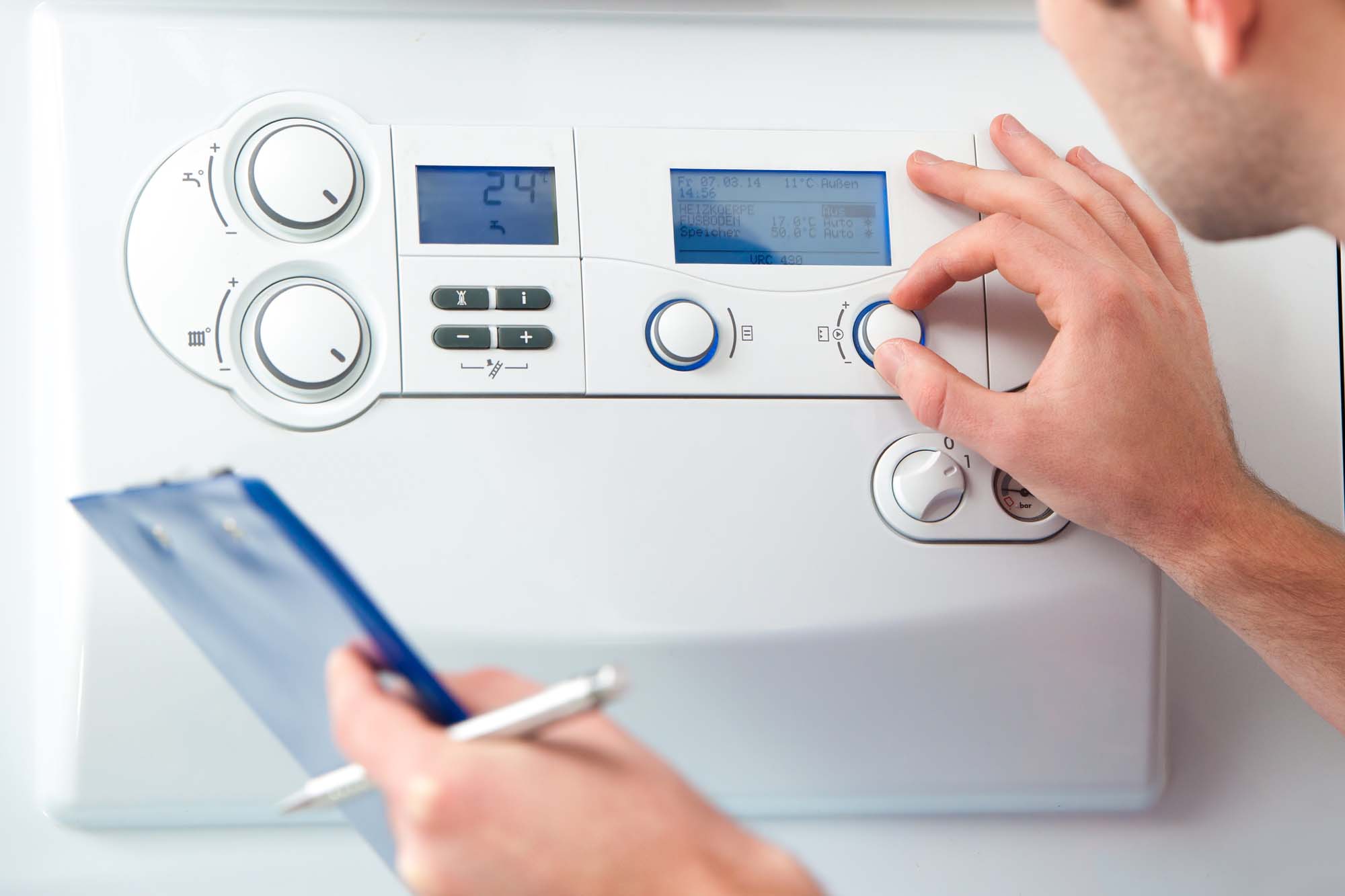
Plenty of rural homes have no mains gas pipe in the road. For those properties, liquefied petroleum gas (LPG) is one of the main ways to run a conventional boiler, alongside heating oil, electric systems and heat pumps. An LPG boiler looks and behaves much like a natural gas boiler indoors; the real differences are outside, in how the fuel is stored and delivered.
This guide explains how LPG heating is set up, what has to be in place for it to be safe, and the questions worth asking before you choose it, keep it or replace it. It is written for homeowners, not installers, so it does not cover any hands-on gas work, which must always be carried out by a Gas Safe registered engineer.
How an LPG heating system is put together
LPG is stored as a liquid under pressure and turns back into gas as it leaves the container. A regulator reduces the pressure before the gas travels through pipework into the house. Inside, the boiler burns it to heat water for radiators and taps in the same way a mains gas boiler would, though the appliance must be one designed or converted for LPG. A natural gas boiler cannot simply be connected to an LPG supply.
Most homes that heat with LPG use a bulk tank, either above ground or buried, which a supplier refills by tanker. Smaller users sometimes rely on banks of cylinders with an automatic changeover valve, which suits cooking or a small property better than whole-house heating.
Tank or cylinders: what to consider
- Usage: a whole-house boiler uses far more fuel than a hob, so cylinders can run out quickly in winter.
- Siting: tanks need set separation distances from buildings, boundaries, drains and sources of ignition. The supplier normally surveys the site.
- Ownership: many tanks are owned by the supplier and supplied under contract, which can affect how easily you can switch.
- Access: a tanker needs to reach the fill point, which matters on narrow lanes and long drives.
- Monitoring: a tank gauge or telemetry helps avoid running dry, which can mean a system needs re-lighting and checking.
Safety points specific to LPG
LPG is heavier than air. If it leaks, it sinks and can collect in low spots such as cellars, drains and voids under floors rather than dispersing upwards. That is why appliances and pipe runs have extra rules about low-level ventilation and why an LPG system should never be altered by anyone who is not qualified to work on it.
Every gas appliance, LPG included, needs a carbon monoxide alarm in the room and regular servicing. If you smell gas, turn off the supply at the tank or cylinder valve if it is safe to reach, avoid switches and flames, ventilate the property and call the gas emergency line and your LPG supplier.
LPG compared with heating oil
Both fuels suit off-grid homes and both need on-site storage. Oil tanks are generally owned by the homeowner and oil can be bought from different suppliers order by order, while LPG is often tied to a supply agreement. LPG burns more cleanly, so boilers tend to soot up less and the appliance can sit in a kitchen or cupboard like a mains gas boiler.
Running costs swing with fuel prices, so rather than relying on a figure from a website, compare recent quotes from suppliers that deliver to your address and look at your actual annual usage. Your choice of boiler, controls and insulation will usually matter as much as the fuel itself.
Should you keep LPG, change boiler or switch fuel?
If your existing LPG boiler is reliable and serviced, replacing it like for like with a modern condensing LPG model is often the simplest upgrade. If it is old, failing or the tank arrangement is due for renewal, it is a sensible point to also look at an air source heat pump, especially where the house is reasonably insulated.
A heating survey looks at heat loss, existing radiators, hot water demand and the outside space before recommending a route. That avoids replacing like for like out of habit, or jumping to a new technology that does not suit the building.
Looking after an LPG boiler
Have the boiler serviced every year by a Gas Safe registered engineer, keep vegetation and stored items clear of the tank, and report any damage to the tank, pipework or regulator to your supplier. Keep an eye on fuel levels in late autumn so you are not ordering in a cold snap when deliveries are under pressure.
Questions to ask before signing an LPG supply agreement
Read the contract terms as carefully as the boiler quote. Check how long the agreement runs, who maintains the tank, whether there is a charge for removal if you leave, and how prices are reviewed. Some homeowners are surprised to find they cannot easily compare suppliers once a tank is installed under one company's ownership.
Frequently asked questions
- Can my natural gas boiler run on LPG?
- Not as it stands. Some models have an approved conversion kit, which must be fitted by a Gas Safe registered engineer, but many are simply replaced with an LPG-specific boiler.
- Does an LPG boiler need a gas safety check?
- Yes. It is a gas appliance, so annual servicing is recommended and, in rented homes, an annual gas safety check is a legal requirement.
- Where can an LPG tank go?
- It must meet separation distances from buildings, boundaries, drains and ignition sources. Your LPG supplier normally confirms the position when the tank is installed or replaced.
- Is LPG or oil better for an off-grid home?
- Neither is best for every house. Compare supply terms, storage, delivery access and recent fuel quotes, and consider whether a heat pump would suit the property.
Talk to us about your heating or plumbing job
Tell us what is happening and what you would like to change. Work and prices are confirmed after we have looked at your system.