
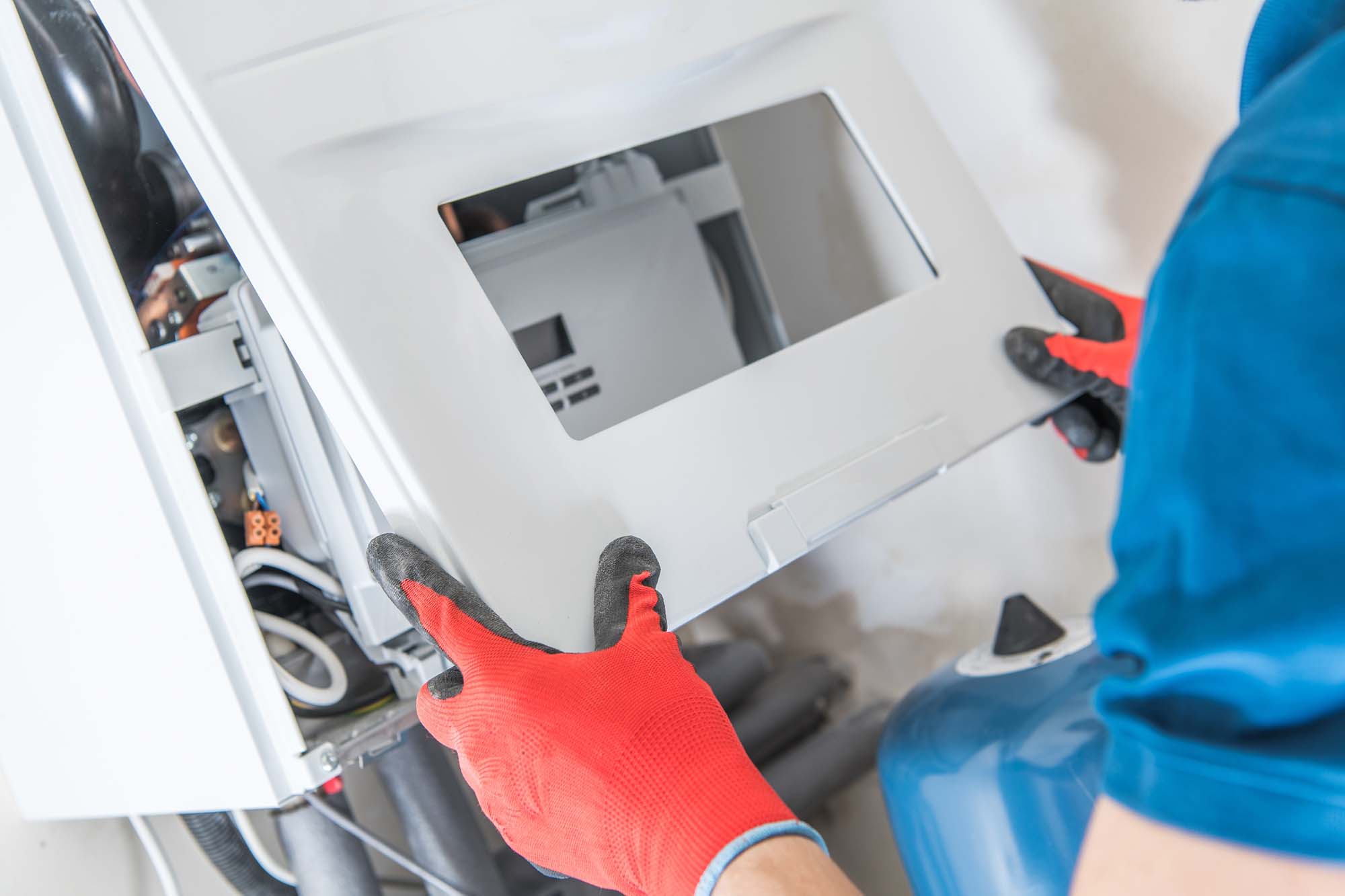
Draining central heating is sometimes needed for a radiator, valve or pipework repair. It is not a routine way to improve performance and it is not the same as draining a property's domestic water supply. The system type, isolation options, treatment and refilling arrangements all determine how the work should be planned.
This guide explains the professional considerations without giving a drain-valve sequence or instructions for opening a pressurised circuit. A partially drained system can still contain hot water, trapped pressure or chemicals, and an incomplete refill can leave air and poor circulation. Homeowners can explain the intended repair and clear normal access. The engineer should decide what needs draining, how the water is handled and how the system will be returned to safe operation afterwards.
Establish why drain-down is proposed
Replacing a valve body, altering heating pipes or renewing a radiator may require opening part of the circuit. The professional method depends on whether that part can be isolated reliably. Draining the entire system is not automatically necessary for every small job, but neither should limited isolation be assumed where old valves do not seal.
Ask which component needs work and why the proposed method is appropriate. If the aim is cleaning, a drain-down on its own is not the same as a planned flush. If the aim is winter protection, draining only radiators does not automatically protect domestic supplies, hidden low points or other equipment. The objective should be clear before any water is removed.
Sealed and open-vented arrangements differ
A sealed heating circuit uses a controlled pressure arrangement, while an open-vented system has different feed and expansion provisions. Previous alterations can make the actual installation less obvious than the boiler type suggests. The engineer needs to identify the circuit rather than follow a generic internet procedure.
Do not infer the whole system layout from the presence of one gauge or a tank in the loft. There may be separate hot water equipment, multiple zones or connections serving particular appliances. Opening a circuit without understanding those relationships can introduce water unexpectedly or leave parts improperly refilled. The assessment should establish the safe isolation and refilling arrangements for the system that is actually installed.
Heat sources and controls must be made safe
The relevant heat source and electrical controls need to be considered before work on the water circuit. An appliance attempting to operate without suitable circulation can be damaged or create a fault. Isolation must therefore be part of a professional plan, not just turning an ordinary thermostat down and assuming nothing else can start.
Homeowners should not open the boiler, disconnect wiring or adjust internal valves. Gas-appliance work requires a Gas Safe registered engineer qualified for the work involved. A heat pump can have additional fluid and frost-protection requirements. The presence of a domestic hot water cylinder also needs assessment; unvented-cylinder safety work requires appropriate G3 qualifications and must not be confused with routine radiator pipework.
Water, chemicals and containment
Heating water may contain corrosion products, inhibitor or other treatment. The engineer needs suitable containment and disposal arrangements, with attention to the installation's specified fluid. It should not be treated as clean drinking water or casually discharged where it could damage finishes or create an environmental problem.
Clear belongings from the agreed area and protect normal access, but do not attach hoses or loosen drains yourself. Old fittings can fail when operated, and a route that looks convenient may not empty every section. Discuss low points, inaccessible pipework and any previous leaks. Controlled work includes preparation for what can happen if a valve or connection is less sound than expected.
The repair stage still needs assessment
Once the relevant section is made safe, the planned repair can proceed with the connection method suited to the pipework and components. Older materials, limited access or deteriorated valves can change the scope. Draining the water does not remove the need to assess support, compatibility and future maintenance access.
If several radiator or valve changes are planned, it can be sensible to discuss them together, but that does not mean every component needs replacement. Agree the work before additional parts are renewed. A drain-down is a means of enabling a repair; it should not become an excuse for unplanned changes that have not been explained or priced.
Refilling, air removal and treatment
Returning the system to use involves more than adding water until a gauge looks familiar. The engineer must consider filling arrangements, air removal, pressure, treatment and circulation according to the equipment and work undertaken. Different zones or high points can behave differently, so one warm radiator is not proof that the entire circuit is ready.
Any treatment should suit the system and manufacturer requirements. Air that repeatedly returns or pressure that keeps falling needs investigation rather than repeated homeowner intervention. Homeowner pressure topping up is appropriate only where the appliance manual expressly describes it and the procedure is understood. It is not a substitute for the professional completion of a drained or repaired system.
Agree the aftercare and cost factors
The cost factors include the amount of circuit affected, isolation condition, access, repair complexity, fluid handling, treatment and recommissioning. This guide gives no price figures. Ask what the job includes and whether any wider testing or cleaning is separate from the repair.
At handover, understand which normal settings have changed and what signs should be reported. Keep any work and treatment information with the heating records. If a radiator remains cold or a leak appears after operation resumes, report it promptly. A completed drain-down job should leave the planned repair sound and the circuit functioning, not just leave a hose disconnected and the boiler switched back on.
Frequently asked questions
- Does every radiator repair need the whole system drained?
- No. The professional method depends on circuit layout and reliable isolation. The engineer should explain what section needs opening and why.
- Will draining central heating remove all sludge?
- Not necessarily. Drain-down and planned cleaning are different tasks. The condition of the water and circuit determines whether further treatment is needed.
- Can I drain it before the engineer comes?
- Do not open or drain an unfamiliar pressurised circuit yourself. The engineer needs to plan isolation, containment, refilling and recommissioning.
- Is central-heating drain-down the same as winterising a house?
- No. Domestic water supplies, low points, appliances and heating arrangements need separate consideration. Draining one circuit does not automatically protect the whole property.
Talk to us about your plumbing or heating
Tell us what is happening and what you would like to change. Work and prices are confirmed after we have assessed your system.