
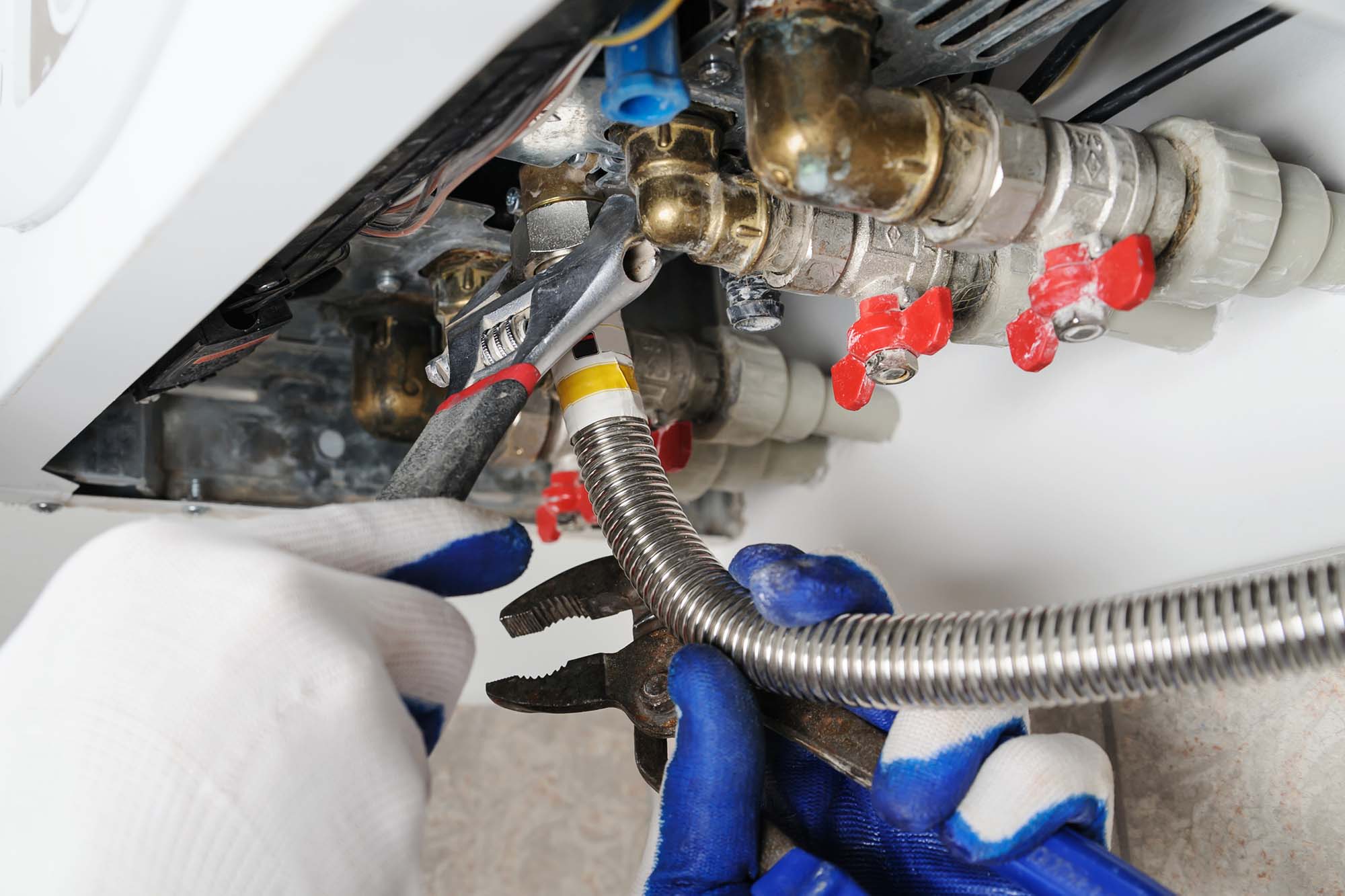
Carbon monoxide (CO) is a poisonous gas with no colour, taste or smell. It is produced when fuels such as gas, oil, LPG, coal or wood burn without enough oxygen, or when flue gases cannot escape properly. Because you cannot sense it, an alarm and well-maintained appliances are your main protection.
This guide explains the symptoms, the warning signs around appliances, the alarm requirements in Scotland and what to do if you suspect a problem. It is general safety information, not a substitute for emergency advice.
Symptoms to be aware of
High levels can cause collapse and death quickly. Long-term low-level exposure can also cause lasting health problems. If you suspect CO poisoning, get fresh air and seek medical help immediately.
- Headaches, often the earliest sign.
- Dizziness, nausea or vomiting.
- Tiredness, confusion or breathlessness.
- Stomach pains or flu-like feelings without a temperature.
- Symptoms that ease when you leave the house and return when you come back.
- Several people, or pets, feeling unwell at the same time.
Warning signs around appliances
Many modern appliances show no visible signs even when faulty, which is why alarms are so important.
- Lazy yellow or orange flames on gas appliances that normally burn blue.
- Soot or brown staining on or around boilers, fires or flues.
- Pilot lights that keep going out.
- Increased condensation inside windows near appliances.
- A boiler that smells of fumes or makes unusual noises.
Carbon monoxide alarms in Scotland
Scottish rules on fire and smoke alarms, which apply to all homes, require a carbon monoxide detector in rooms where there is a fixed combustion appliance, such as a boiler, fire, heater or stove, or a flue running through the room. In rented homes, landlords have specific duties to provide and maintain these alarms. Gas cookers are generally not counted as requiring an alarm under these rules, but many people choose to fit one nearby anyway.
Alarms should meet the British Standard for CO detectors and be fitted following the manufacturer's guidance, typically on a ceiling or high on a wall, at a distance from the appliance. Check the battery or sealed-life expiry date and test the alarm regularly.
If your CO alarm sounds
- Stay calm and open doors and windows.
- Turn off fuel appliances if you can do so safely.
- Get everyone, including pets, out into fresh air.
- Do not go back in until it is safe.
- For gas appliances, call the gas emergency number on 0800 111 999.
- Seek medical advice if anyone feels unwell, mentioning possible CO exposure.
- Do not use the appliance again until it has been checked by a qualified engineer.
Why servicing matters
Annual servicing of boilers and other fuel-burning appliances checks combustion, flue integrity and ventilation. For gas appliances this must be done by a Gas Safe registered engineer. For oil, an appropriately competent technician, often OFTEC registered. Servicing catches problems such as blocked flues, cracked heat exchangers and poor combustion before they become dangerous.
Landlords in Scotland must have gas appliances checked annually and keep a gas safety record.
Flues and ventilation
Flues carry combustion gases outside. They can be blocked by birds' nests, debris or building work, and damaged by vehicles or ladders. Never block air vents installed for appliances, even if they cause draughts. If you are having building work, extensions or new windows near a flue terminal, ask whether it affects the appliance's safety.
What you must not do
- Do not ignore an alarm or remove its batteries.
- Do not use outdoor appliances like barbecues or generators indoors.
- Do not attempt to repair gas appliances or flues yourself.
- Do not use an appliance that has been condemned or labelled unsafe.
Key points to remember
- Fit an alarm in every room with a fuel-burning appliance.
- Service appliances every year.
- Keep vents and flues clear.
- Act immediately if an alarm sounds or symptoms appear.
Who is most at risk
Anyone can be affected, but babies, children, pregnant women, older people and those with heart or breathing conditions are particularly vulnerable. Pets often show symptoms sooner than people. Symptoms are frequently mistaken for flu, food poisoning or tiredness, which is why the pattern matters: feeling better away from home and worse on return is a strong warning sign.
If a doctor is treating unexplained symptoms, mention any fuel-burning appliances in the home so CO can be considered.
Testing and replacing alarms
Press the test button regularly, at least monthly, and replace the alarm before its expiry date, which is printed on the unit. Most CO alarms last between five and ten years. Replace batteries where they are not sealed, and never disconnect an alarm because it keeps sounding. A repeatedly triggering alarm needs investigating, not silencing.
Holiday homes, caravans and boats
CO risks follow you wherever there is a fuel-burning appliance. Take a portable CO alarm when staying in holiday accommodation, and make sure boats and caravans with gas appliances have suitable alarms and serviced equipment.
Frequently asked questions
- Can I smell carbon monoxide?
- No. It has no smell, colour or taste. You may smell other fumes from a faulty appliance, but CO itself is undetectable without an alarm.
- Where should a CO alarm go?
- In each room with a fixed combustion appliance, following the alarm maker's positioning guidance.
- Who checks my boiler for CO risk?
- A Gas Safe registered engineer for gas, or a competent oil technician for oil, during servicing.
- What number do I call if I suspect a gas leak or CO?
- The gas emergency line is 0800 111 999. Seek medical help if anyone has symptoms.
Worried about your boiler or gas appliances?
Tell us what you have noticed. We confirm what is needed and the price after an engineer has checked the system.