A healthy boiler in cold weather should settle into long, steady burns. If yours fires up, runs for a minute or two, shuts down, then repeats a few minutes later, it is short-cycling. The house may still get warm, so it often goes unreported for years — while quietly burning extra fuel and wearing out ignition components.
Short-cycling is a symptom, not a fault code. This guide works through the causes in the order an engineer checks them, from the free fixes to the ones that need work.
Why it matters
Every start-up is the hardest part of a boiler's cycle: the fan spins up, the igniter fires, the appliance runs rich before it settles. A boiler cycling six times an hour does that six times an hour, all winter. The consequences are higher fuel use, faster wear on the fan, igniter and gas valve, and poor condensing performance because the appliance never reaches steady state.
It also produces uneven comfort. Rooms furthest from the boiler never get a sustained flow of hot water, so the house feels warm near the boiler and cold at the far end.
Cause one: flow temperature set too high
This is the most common and the easiest to fix. If the boiler is set to heat water to 75 or 80 degrees, it reaches that target quickly, hits its internal limit and shuts down long before the house is warm. It then waits out an anti-cycle delay and starts again.
Lowering the central heating flow temperature to around 55 to 60 degrees on a condensing boiler usually produces longer, gentler burns, better condensing efficiency and a more even house. The radiators feel cooler to the touch but run for longer, which is the intended behaviour. Note that this is the heating flow setting only — hot water for a combi or cylinder is a separate control and must stay hot enough for safety.
Cause two: not enough system volume open
- Thermostatic radiator valves all closed down because the rooms are already warm — leaving the boiler heating a tiny loop.
- A bypass or system volume issue after radiators were removed during decorating or a renovation.
- Zone valves closed, so only a fraction of the system is calling for heat.
- Underfloor heating running on its own with a blending valve that limits flow.
- A boiler that is simply too big for the property, so even the whole system is a small load for it.
Cause three: an oversized boiler
Oversizing is endemic. A house needing 12 kW of heat is routinely fitted with a 30 kW combi because the hot water demand drove the choice, and few appliances modulate down far enough to match a small heating load. The result is chronic short-cycling on mild days.
You cannot fix oversizing without replacing the appliance, but you can mitigate it: lower the flow temperature, keep more radiators open, enable any weather compensation or load compensation control the boiler supports, and use a modulating control rather than a simple on-off thermostat. When the appliance is eventually replaced, insist on a heat loss calculation so the next one is sized to the house rather than to the shower.
Cause four: restricted circulation
- Sludge and magnetite restricting flow through radiators and the heat exchanger — the boiler overheats locally and cuts out.
- A pump set too low, failing, or running on the wrong speed setting for the system.
- A blocked or neglected magnetic filter that has never been cleaned.
- Air locks in the circuit, particularly after work on the system or a pressure top-up.
- A partially seized zone valve that opens only slightly.
Cause five: controls and sensors
A room thermostat positioned in a hallway that heats quickly, or directly above a radiator, will satisfy long before the rest of the house does — then call again minutes later. Moving it, or replacing a crude mechanical stat with a modulating control, often cures cycling on its own.
On the appliance side, a failing flow or return thermistor can report false temperatures and trigger premature shutdown. That is a diagnostic job with test equipment rather than something to guess at.
What to try yourself, in order
- Lower the central heating flow temperature dial to around 55 to 60 degrees and give it a full day.
- Open the thermostatic valves in the rooms you actually use rather than running the whole house off two radiators.
- Bleed radiators that are cold at the top and check system pressure afterwards.
- Check whether the room thermostat is somewhere sensible, and not above a radiator or in a draught.
- If none of that changes anything, book a diagnostic visit before the ignition components wear out.
What we check on site
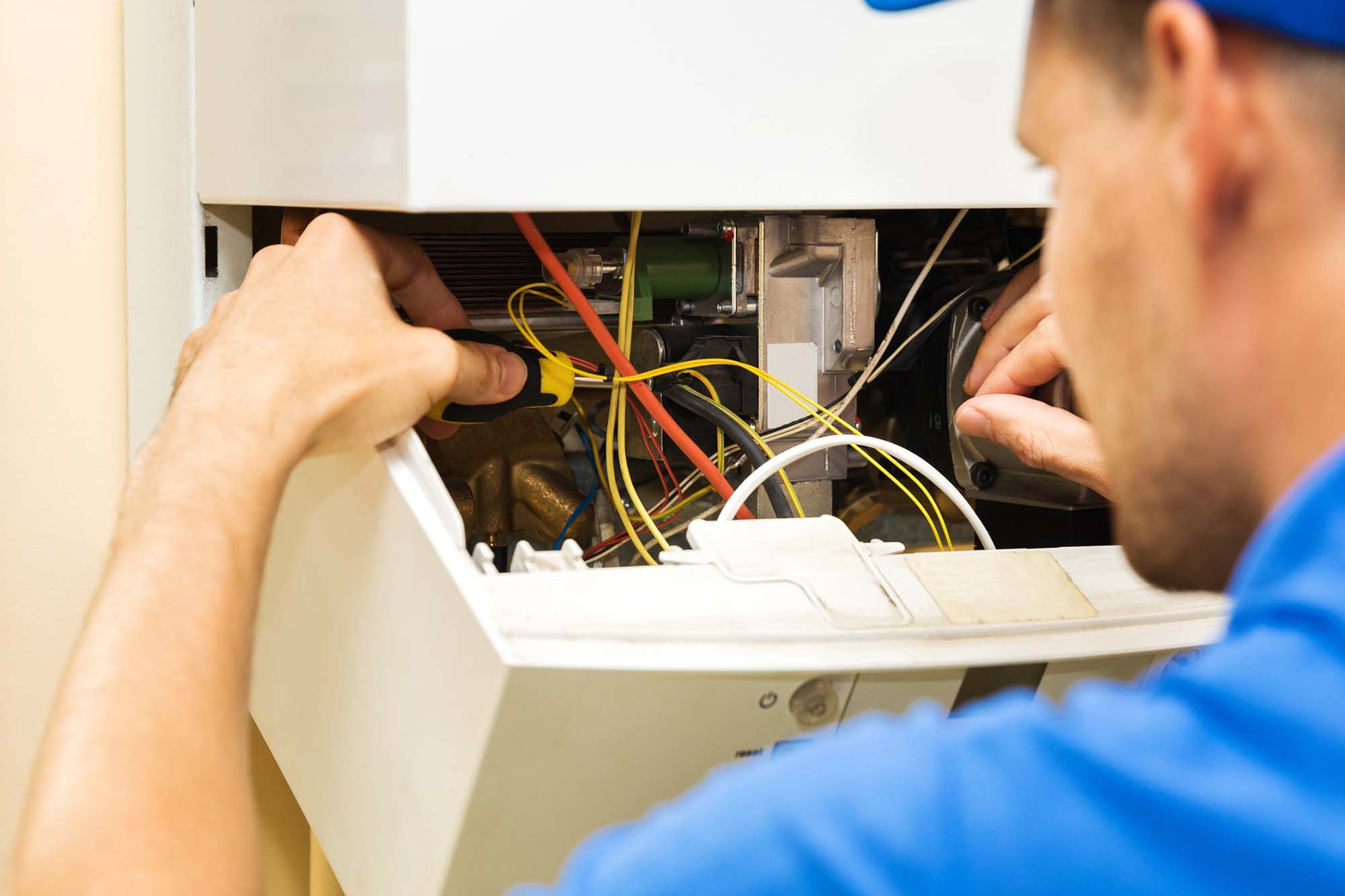
We measure gas rate and combustion, check flow and return temperatures under load, test the pump and circulation, inspect system water for magnetite, verify the expansion vessel charge and read any stored fault history. That tells us whether the cause is settings, circulation, sizing or a failing component — and which of those is worth spending money on.
In most Borders properties the fix is a combination of lowering flow temperature, cleaning the system and improving controls, which costs far less than people fear and pays back over a heating season.
Frequently asked questions
- How often should a boiler fire in cold weather?
- Ideally it should run in long continuous burns, not short bursts. Repeated cycles of a couple of minutes on and a few minutes off, especially in genuinely cold weather, indicate short-cycling.
- Will lowering the flow temperature make my house cold?
- No, it makes the heating run longer at a gentler output. The house reaches the same temperature and often feels more even. Very poorly insulated properties on the coldest days may need a higher setting temporarily.
- Is short-cycling dangerous?
- It is not a safety hazard in itself, but it accelerates wear on ignition components and wastes fuel. Persistent cycling caused by overheating due to poor circulation should be investigated promptly.
- Can I fix an oversized boiler without replacing it?
- You can substantially reduce the symptoms with a lower flow temperature, load or weather compensation controls and more open system volume. Correct sizing at replacement is the permanent answer.
Stop your boiler burning fuel it does not need to
We diagnose cycling properly — settings, circulation, sizing and sensors — and tell you which fix is actually worth paying for.