
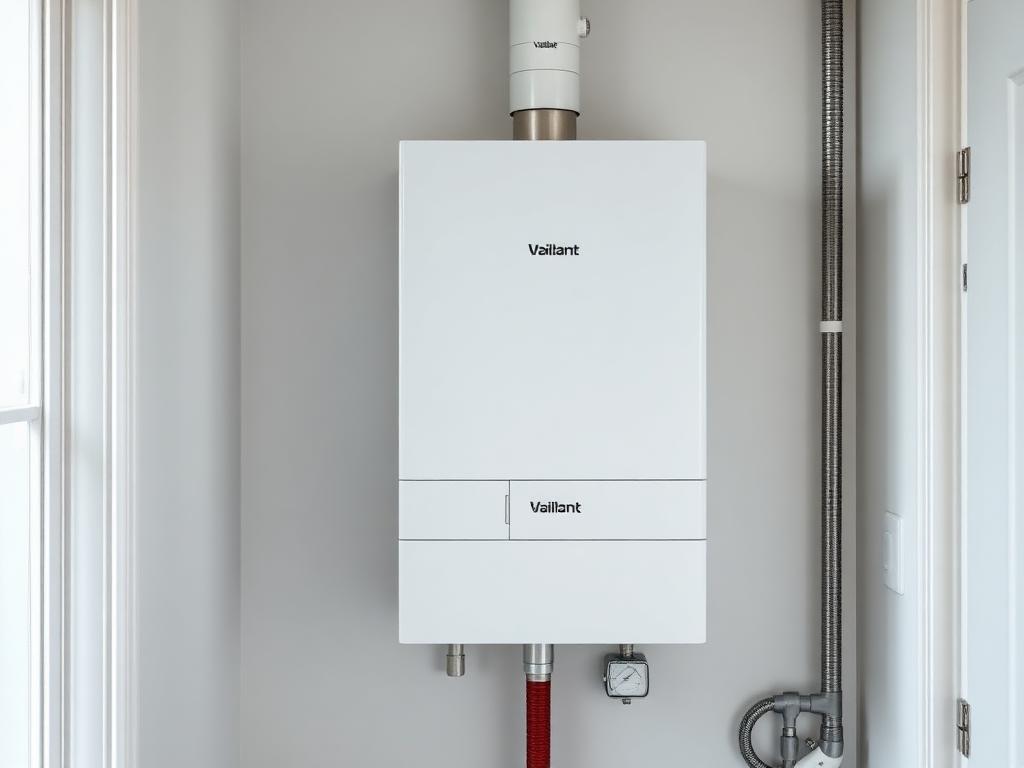
A combi boiler combines central heating and hot water production in one appliance. In the usual arrangement, it heats water for radiators and heats domestic hot water when a tap or shower asks for it, without a separate hot water storage cylinder. That makes it a useful option where space is limited, but it does not make it suitable for every household.
Understanding the two jobs it performs helps explain common questions: why the radiators pause when a shower runs, why mains flow matters, and why the pressure gauge does not tell you the shower pressure. This guide explains the arrangement in plain English. It is not a set of instructions for opening or repairing an appliance. Any gas work on a gas combi requires a Gas Safe registered engineer with the appropriate appliance qualifications.
The heating circuit and tap water are separate
The heating circuit carries water through the boiler and radiators, then returns it to be heated again. That water stays in a closed circuit in a typical sealed system. Domestic water enters from the mains and is heated for use at taps and showers. The two supplies should not mix during normal operation.
This distinction matters when describing a fault. A fall in the heating pressure gauge does not necessarily mean the cold mains supply has weakened. Equally, a slow kitchen tap does not prove that the radiator circuit needs topping up. Tell an engineer which reading or outlet has changed instead of using the word pressure without saying where you noticed the problem.
What happens when you turn on a hot tap
When domestic water flows, the appliance detects a demand and heats it as it passes through the hot water side. Many combis prioritise this demand over space heating, so the radiator-heating function can pause while hot water is being drawn. The precise control arrangement depends on the model.
Hot water still has to travel along the pipe from the appliance to the outlet. A long pipe run means a wait before warm water arrives, even though no cylinder is being reheated. Running several outlets together shares the available supply and heating capacity. The household therefore needs to consider actual bathing habits rather than assuming that instant heating means unlimited delivery everywhere at once.
Why incoming mains flow matters
A combi cannot create incoming water that the property supply does not provide. Pressure and flow are related but different: pressure is the force available, while flow is the amount delivered over time. A static reading on its own does not describe what happens when another tap opens.
An installer should assess the supply under realistic use and consider pipe restrictions or shared demand. If a shower becomes weak when another outlet runs, choosing a larger appliance may not solve the underlying supply problem. Do not fit pumps or alter supply arrangements on a guess. The suitability assessment has to include the water source and the restrictions in the property, not just the boiler specification.
Output is not one simple sizing number
The appliance needs to meet the building's heating demand while also providing the required hot water performance. These demands can lead to different outputs. A combi selected for its hot water capability may have more maximum heating output than the building needs, so control and modulation behaviour matter.
An oversized heating appliance is not automatically more comfortable or economical. Room-by-room heat loss, the radiator system and the manufacturer's operating range should inform the choice. Ask why the proposed model suits both jobs. Comparisons based solely on the number printed beside the model name miss the way the appliance will actually run during mild weather and everyday hot water use.
What the pressure gauge shows
On a typical sealed combi installation, the gauge or display shows the pressure of the heating circuit. The correct operating range and method of reading it come from the appliance instructions. A change between cold and hot operation can be normal, but repeated loss or abnormal rise needs investigation.
If the manual explicitly describes a homeowner topping-up procedure, follow that procedure only when the system is cool and you understand the controls. Do not keep adding water to conceal recurring loss. Do not open boiler covers or adjust internal valves. A combi's normal user controls and external gauge are not an invitation to dismantle its pressurised or gas components.
Homes where the arrangement may not suit
A household using several high-demand outlets together may prefer stored hot water, depending on the supply and the proposed cylinder arrangement. Properties with poor mains flow or particular bathing requirements need a careful assessment before moving away from a cylinder. A combi conversion can also change how backup hot water is available if the boiler stops working.
Space saving is a real planning consideration, but it should be balanced against performance and resilience. Explain whether you want simultaneous showers, rapid bath filling or a backup heat source. A broader heating survey can identify whether the current layout, a different boiler type or a heat pump arrangement is more appropriate than treating the combi as the default answer.
Maintenance and ordinary warning signs
Keep the appliance instructions and service records accessible. Gas combis need professional maintenance following the manufacturer requirements, and Gas Safe Register advises annual checks by a Gas Safe registered engineer. A service, a repair and a landlord gas safety check are different tasks, even if they can be arranged together.
Report repeated fault codes, unexpected shutdowns, persistent pressure changes or hot water that regularly goes hot and cold. Note whether heating still works and whether all outlets behave alike. Those observations help separate supply, controls and appliance faults. If there is a gas smell or a carbon monoxide alarm, leave the danger area and follow emergency guidance rather than treating it as an ordinary performance problem.
Frequently asked questions
- Does a combi boiler need a hot water cylinder?
- The usual combi arrangement heats tap water on demand without a separate storage cylinder. Unusual or modified systems should be identified by an engineer rather than assumed to follow the usual layout.
- Why do my radiators pause while a shower runs?
- Many combis prioritise domestic hot water, temporarily pausing radiator heating. Check your model instructions and report behaviour that differs from normal operation.
- Is the boiler gauge the same as shower pressure?
- No. The usual gauge measures heating-circuit pressure. Shower performance also depends on the incoming supply, pipework, shower and competing demand.
- Can anyone repair a gas combi boiler?
- Gas work requires a Gas Safe registered engineer qualified for the relevant appliance. Keep homeowner checks to ordinary controls and manual-approved actions without opening the casing.
Talk to us about your plumbing or heating
Tell us what is happening and what you would like to change. Work and prices are confirmed after we have assessed your system.