
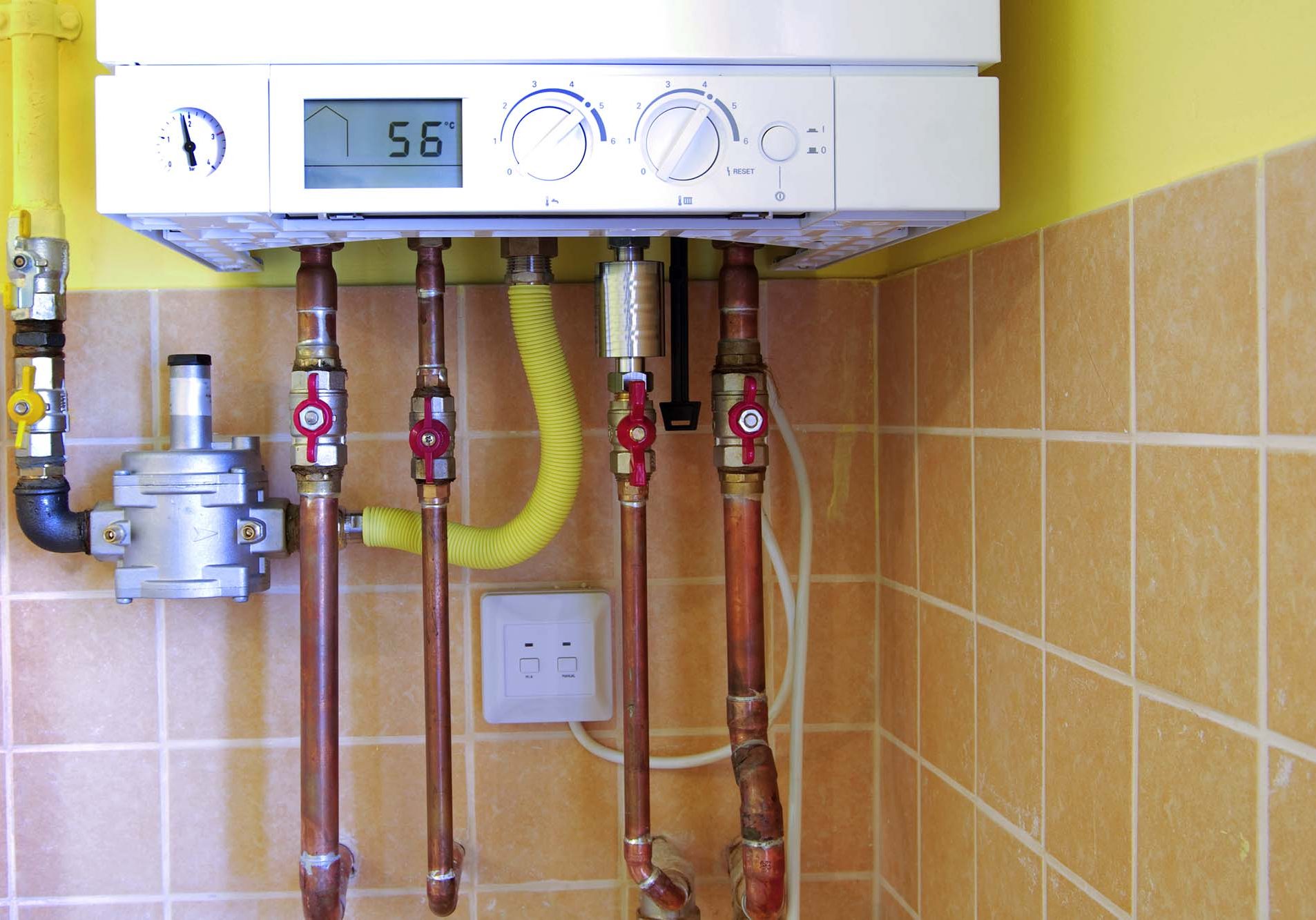
If you smell gas, act immediately. Natural gas has a distinctive smell added to it so leaks can be noticed. A gas leak carries a risk of fire or explosion, and faulty appliances can also produce carbon monoxide. The steps are simple, but they need to be followed in the right order.
This guide sets out what to do, what not to do, what happens when the emergency service attends, and what follows if your appliance or pipework needs repair. Under no circumstances should gas work be attempted by anyone who is not a Gas Safe registered engineer.
Immediate steps
- Call the National Gas Emergency Service on 0800 111 999, from outside if possible.
- Turn off the gas at the meter control valve if it is safe to reach. The handle is usually turned so it is at right angles to the pipe.
- Open doors and windows to ventilate.
- Get everyone out of the property if the smell is strong.
- Do not switch electrical items or lights on or off.
- Do not use naked flames, smoke or strike matches.
- Do not use doorbells or anything that may cause a spark.
If you use LPG
If your gas comes from an LPG tank or cylinders, turn off the supply at the tank or cylinder valve if safe, ventilate, and call your LPG supplier's emergency number as well as the gas emergency line. LPG is heavier than air and can collect in low areas, so do not go into cellars or under floors to look.
What happens when the emergency service arrives
The emergency service will make the situation safe. That may involve isolating the supply to the house or to a particular appliance. They do not usually carry out repairs to your appliances or internal pipework beyond making it safe. You will be advised if an appliance must not be used and may receive a warning notice.
If the leak is on the supply before the meter, the gas network will usually deal with it. If it is on your side, you will need a Gas Safe registered engineer to repair it.
After the area is made safe
Do not turn the gas back on or use an appliance that has been isolated until a Gas Safe registered engineer has found and fixed the problem and tested the installation. The engineer will carry out a tightness test on the pipework and check appliances, flues and ventilation.
If an appliance is classified as immediately dangerous or at risk, the engineer will explain why and what is needed. Using an appliance against this advice puts lives at risk.
Common causes of gas smells
- A loose or damaged connection on a cooker, fire or boiler.
- A burner left on without lighting, such as on a hob.
- Corroded or damaged pipework.
- A faulty appliance valve.
- Recent work on gas pipes or appliances.
Checking you are using a Gas Safe engineer
Anyone working on gas appliances or pipework in Great Britain must be on the Gas Safe Register. Ask to see the engineer's Gas Safe ID card. It shows their photo, licence number and the types of gas work they are qualified for, such as domestic natural gas or LPG. You can check registration on the Gas Safe Register's website.
Preventing gas problems
Have gas appliances serviced every year, fit carbon monoxide alarms, keep air vents clear, and never allow unqualified people to work on gas. Landlords must have an annual gas safety check carried out and give tenants a copy of the record.
If a smell is faint and intermittent, still treat it seriously. Call the emergency line rather than waiting to see whether it gets worse.
Summary
- Call 0800 111 999.
- Turn off the meter if safe.
- Ventilate and get out.
- No switches, flames or sparks.
- Only a Gas Safe registered engineer should repair it.
If you smell gas outside
A gas smell in the street, garden or near the meter box should also be reported to the National Gas Emergency Service. Do not try to locate the leak yourself or dig near pipes. Keep people and vehicles away and avoid smoking or using anything that could cause a spark in the area.
Know your meter before an emergency
Find your meter and its emergency control valve now, while there is no urgency. Meters can be in a kitchen cupboard, under stairs, in an outside box or in a shared cupboard in flats. Make sure everyone in the house knows where it is and how to turn it off. Keep the area clear so it can be reached quickly.
If you have a prepayment or smart meter, the control valve is still a separate handle on the pipe next to the meter.
Helping vulnerable people
If an older or vulnerable person lives in the property, they may be eligible for the Priority Services Register, which can provide extra help during gas emergencies and supply interruptions. Ask the energy supplier or network operator about it.
Frequently asked questions
- Who do I call if I smell gas?
- The National Gas Emergency Service on 0800 111 999, available 24 hours a day. LPG users should also call their supplier.
- Should I turn off my gas meter?
- Yes, if it is safe to reach. Turn the handle so it is at right angles to the pipe.
- Can I use my phone indoors?
- It is safer to call from outside, away from the smell.
- Who repairs a gas leak in my home?
- A Gas Safe registered engineer, after the emergency service has made it safe.
Worried about your boiler or gas appliances?
Tell us what you have noticed. We confirm what is needed and the price after an engineer has checked the system.