
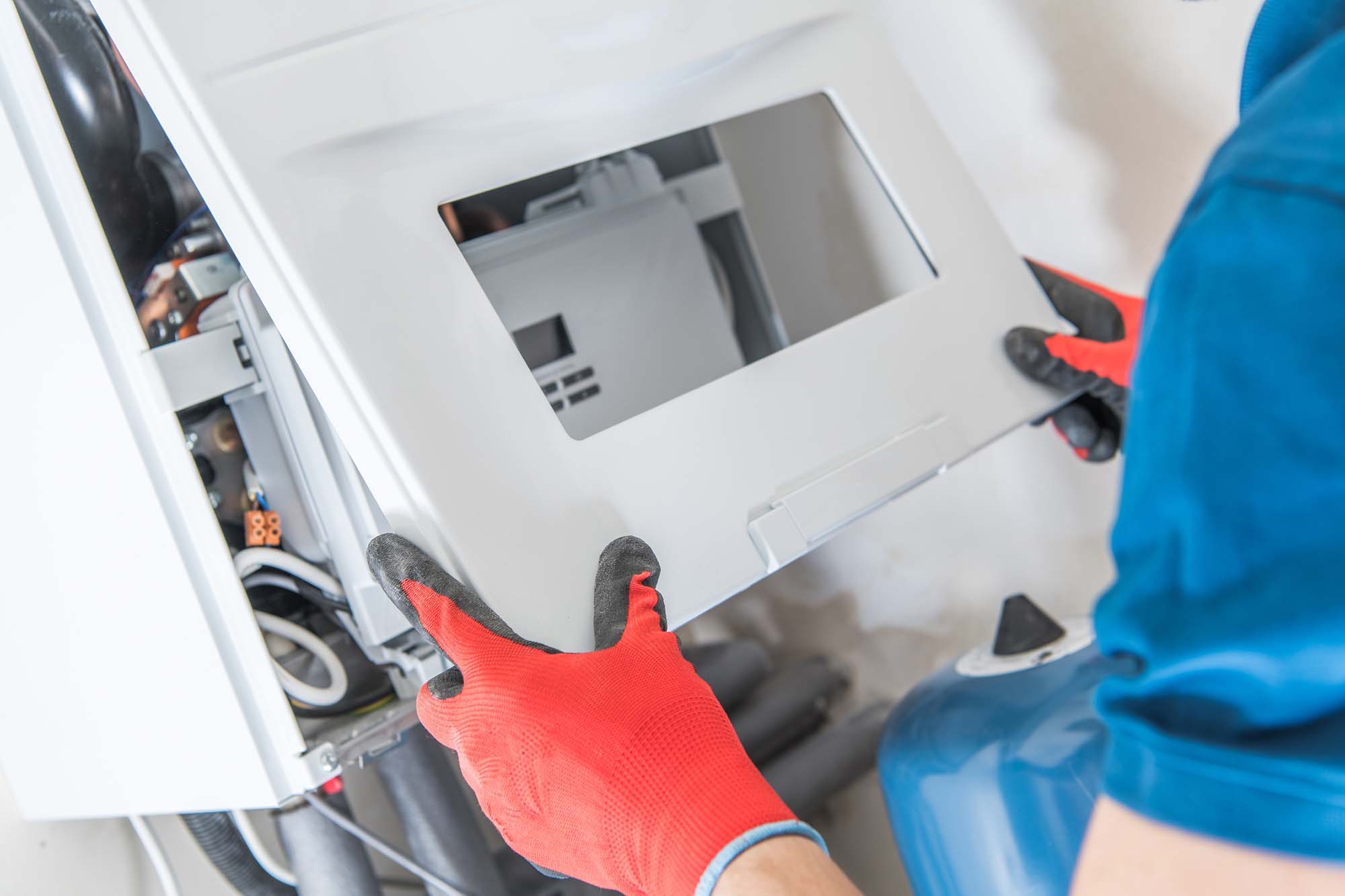
A power flush is priced by system size, because the work is done radiator by radiator. It is genuinely valuable on a sludged system and genuinely unnecessary on a clean one — and it is sold in both situations, which is why it has a mixed reputation.
These are the tests that decide which category your system is in.
How the price is built
- Radiator count is the main driver — each panel is isolated and treated individually.
- System type: sealed systems, open-vented systems and underfloor circuits differ in time.
- Access: rooms with heavy furniture, awkward valves or seized unions add labour.
- Extras usually quoted alongside: magnetic filter supply and fit, and inhibitor dosing.
Evidence that a flush is justified
- Radiators cold across the bottom while the top is hot.
- Black water when bleeding, or heavy sludge on a magnet held against the return.
- Boiler kettling, overheat lockouts or a pump that keeps failing.
- Long heat-up times and a system that never quite reaches setpoint.
- A new boiler being fitted onto old radiators and pipework.
When a chemical clean is enough
On a lightly affected system, circulating a cleanser for a period then draining and refilling with inhibitor achieves most of the benefit at a fraction of the cost. It is the sensible first step where symptoms are mild and the system is not old.
The honest test is what comes out. If the water runs clear and a magnet picks up little, a full flush is hard to justify.
Protecting the spend
A flush without a magnetic filter is a temporary result. Fitting a filter on the return and dosing correct inhibitor is what turns a one-off clean into a lasting one, and testing inhibitor concentration at each annual service is what keeps it that way.
Frequently asked questions
- Do I have to have a power flush with a new boiler?
- Manufacturers require the system to be clean to the relevant standard for the warranty to stand. On an old, dirty system that means a flush; on a clean one a chemical clean and filter may satisfy it. It is a condition of cover, not an upsell.
- Can a power flush damage old pipework?
- On very old systems with corroded pipework, aggressive flushing can expose existing weaknesses. That risk should be discussed before work, and it is a reason to survey rather than book blind.
- How much improvement should I expect?
- On a genuinely sludged system, faster heat-up, warmer radiators throughout and quieter operation. On a system whose real problem was balancing, very little — which is why diagnosis first matters.
- How often is it needed?
- A properly protected system should not need repeat flushing. If it does, something is reintroducing oxygen — usually a leak or repeated top-ups.
Find out if a flush is justified before paying for one
Describe the cold-spot pattern and the water colour when bleeding and we can usually advise before attending.