
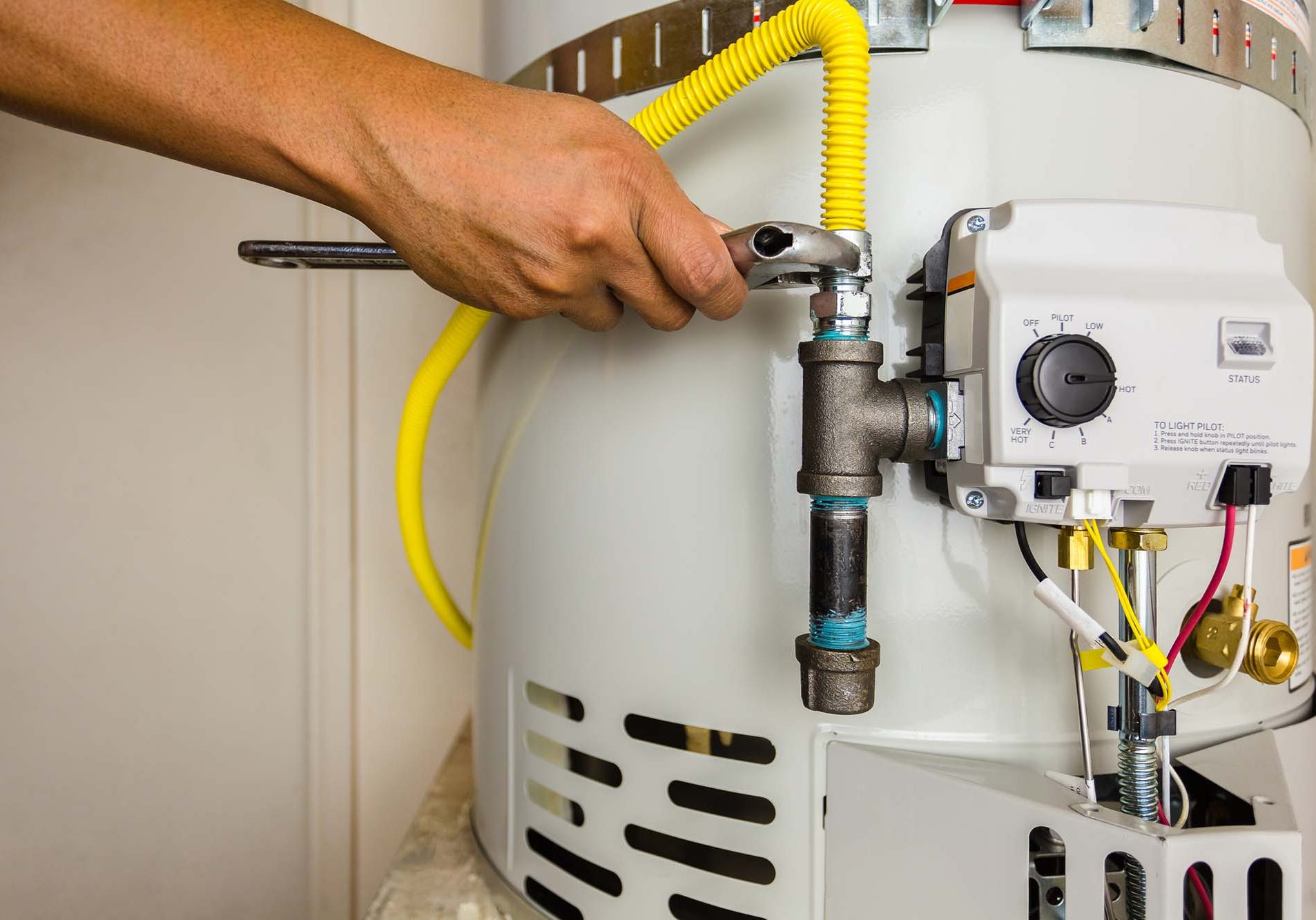
An hourly rate is useful for budgeting, but it is not the price of a finished repair. A plumber charging less per hour can cost more overall if the job takes longer, needs several visits or excludes materials that another quote includes. Start with the work you need completed, then compare how each contractor proposes to charge.
This guide covers planned plumbing work during normal working hours, not emergency attendance. All figures below are typical UK ranges for budgeting, not Graham Oliver Plumbing & Heating prices. Our prices are quoted after a survey. Ask whether VAT, travel, materials and minimum charges are included before accepting any figure.
Typical hourly and day rates
For planned domestic plumbing, a typical UK labour range is £40 to £80 per hour before VAT where chargeable. Higher-cost locations and specialist work can sit above that range. A typical UK day rate is around £250 to £500 for one plumber, excluding materials and VAT where applicable. These are broad comparisons, not a national tariff.
A day rate does not automatically mean eight hours of fitting time inside your home. Agree the expected working hours, whether collecting materials is included and whether a second person is needed. A minimum first-hour charge may apply even if the repair itself is quick. Ask how later time is billed, particularly whether it is rounded to half-hour or hourly blocks.
Hourly work or a fixed price?
Hourly charging can suit fault finding where the cause is uncertain. For example, water beneath a sink could come from a tap connector, waste fitting or concealed supply pipe. A sensible arrangement is an agreed investigation allowance, followed by a discussion before further work. Ask what result that initial spending should produce, rather than authorising unlimited time.
A fixed price suits a defined task with known access and specified fittings. It should describe the result, materials and exclusions. A quotation normally offers an agreed price for that stated scope; an estimate is an informed approximation. Neither should be treated as permission for unrelated extras. Confirm how concealed defects and changes requested by you will be priced and approved.
What small fixed-price jobs may cost
As typical UK supply-and-fit budgeting ranges, a straightforward replacement basin mixer might be £120 to £300, replacing accessible toilet cistern internals £90 to £200, and replacing an accessible isolation valve £80 to £180. These assume standard parts, normal access and one planned visit. Check VAT treatment and specification because neither is consistent across every advertised price.
Premium brassware, seized fittings and damaged sanitaryware change the calculation. A customer-supplied tap can reduce the materials bill but may not fit the existing holes, pressure or connections. Ask who checks compatibility and who pays for another visit if a supplied item is incomplete. Several small jobs done together may share attendance costs, but do not assume an automatic discount.
What makes the labour bill rise?
Access often matters more than the visible size of the fitting. A leaking connector behind removable cupboard contents is different from one behind fitted furniture or tiles. Older valves may not shut fully, pipe sizes may need adapting and corroded joints can disturb nearby fittings. Tell the plumber about previous repairs and any known difficulty isolating the supply.
The water system also matters. Tank-fed supplies, mains-pressure fittings and shared supplies require different planning. Parking, travel and disposal can affect the total too. Ask whether opening walls, lifting floors and making good are included. Decorating, tiling and electrical work are not automatically part of a plumbing price simply because they follow the repair.
Give enough detail to get a useful quote
Send a clear description of the problem, photographs of the fitting and accessible surrounding pipework, and the make or model where visible. Explain whether the fault is constant or intermittent and whether you can isolate the water. Include access restrictions, preferred timing and other jobs you want considered. Photographs help with preparation but cannot reveal every concealed defect.
Ask for a written scope showing labour, parts, VAT status, disposal, exclusions and payment terms. For larger work, check whether the price covers testing and handover, as well as installation. Compare equivalent products and outcomes rather than the headline total alone. A cheaper quote that excludes waste connections or reinstatement may simply describe a smaller job.
Keep control once work starts
Clear the work area and agree how water interruptions will be managed, especially if there is only one toilet. Do not dismantle fittings to save time unless the plumber has specifically agreed it is useful and safe. An apparently simple removal can leave you without water or damage a fitting that needs to be measured first.
If something unexpected appears, ask for the finding, options and additional price before the scope expands. Keep messages or written variations alongside the original quote. At handover, check operation, ask where any new isolation valves are and retain the invoice and product details. Any gas work needs a Gas Safe registered engineer, not simply someone offering a general plumbing hourly rate.
Frequently asked questions
- Does a plumber charge for giving a quote?
- Some assessments are free and some diagnostic visits are chargeable. Ask before booking whether the visit produces a quotation, includes investigation or carries an attendance fee. Do not assume a fault-finding appointment is a free sales visit.
- Is a day rate cheaper than hourly billing?
- It can suit a full programme of work, but only if the scope and expected day length are clear. For a short repair, a whole day may be unnecessary. Compare the likely completed cost rather than multiplying an advertised rate.
- Should I buy the parts myself?
- Only after agreeing the specification and responsibilities. Incorrect pressure ratings, missing connectors or damaged items can delay the job. Ask how product faults, returns and additional visits are handled when the plumber has not supplied the fitting.
- Can I set a spending limit for investigation?
- Yes, ask for an agreed initial allowance and a call before it is exceeded. The limit may cover diagnosis rather than a finished repair. Confirm what happens if the fault cannot be found within that allowance.
Discuss your plumbing requirements
Tell us what needs doing. Work and prices are confirmed after assessment, not from the indicative figures in this guide.