
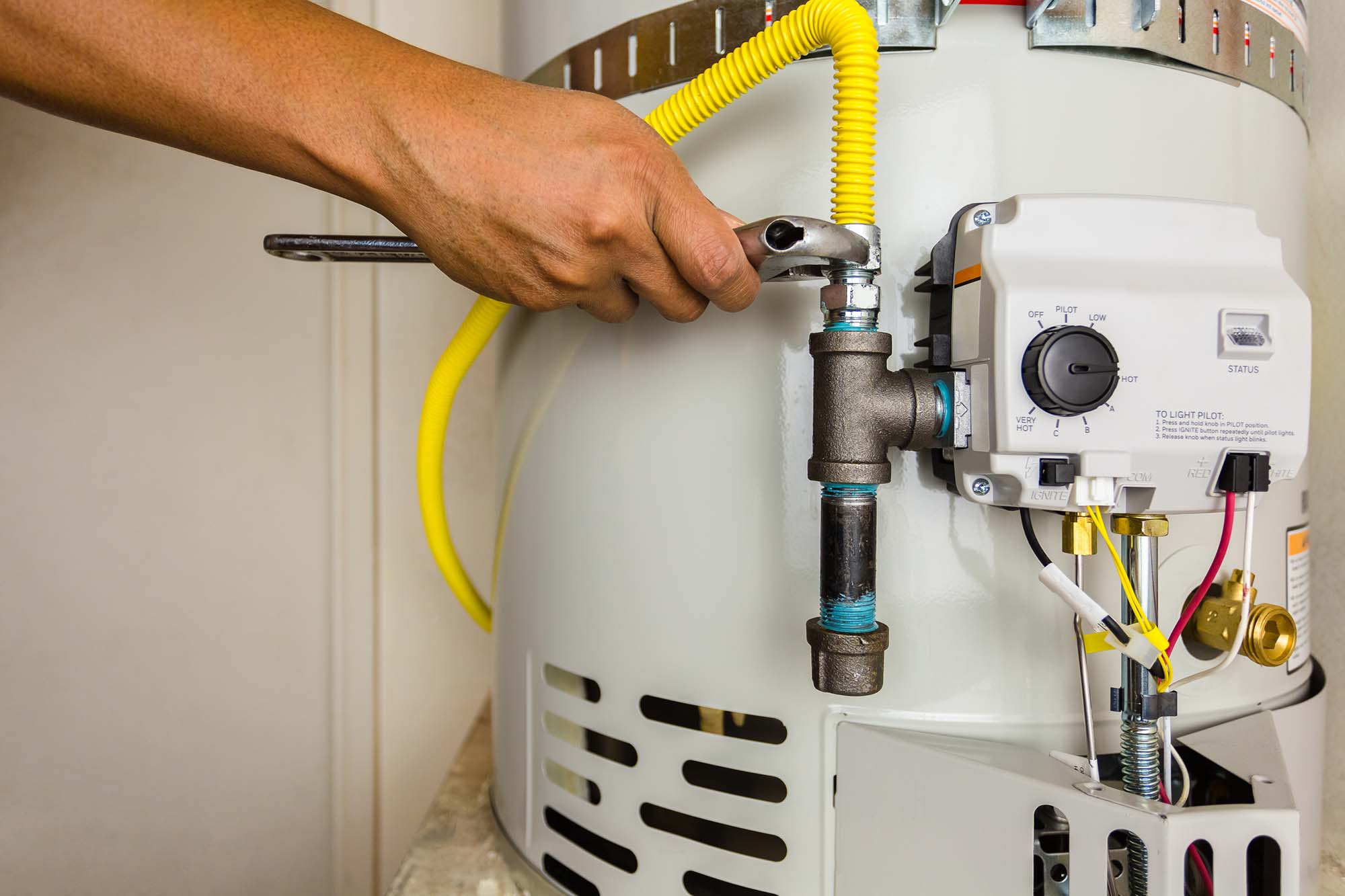
'No hot water' means something different depending on what's sitting in your airing cupboard, or whether there's a cupboard at all. A combi boiler fault, a failed cylinder thermostat and a tripped immersion switch all present as the same symptom at the tap but need completely different first checks. Working out which type of system you have is step one.
Below we've split it by system type so you can jump straight to what's relevant, rather than working through a generic list that half-applies to your setup.
Combi boiler (no tank, no cylinder)
If turning on a hot tap does nothing at all, check the boiler display for a fault code first, and confirm the pressure gauge reads 1.0 to 1.5 bar, low pressure will stop a combi producing hot water even though the heating might still work. Next check the diverter valve hasn't stuck in the heating position, a symptom of this is radiators staying hot while taps run cold. Also check the condensate pipe outside for signs of freezing or blockage, particularly in colder months, as a blocked condensate will lock the boiler out entirely.
System boiler with an unvented cylinder
Here the boiler heats water that's stored in a pressurised cylinder rather than being heated instantly. If hot water has stopped but heating is fine, check the cylinder thermostat and the motorised valve (often a grey box on the pipework near the cylinder) that directs hot water to the cylinder rather than just the radiators. A tripped high-limit stat on the cylinder itself, usually with a manual reset button, is also a common and easy first check.
Conventional gravity-fed or vented system
Older systems with a cold water tank and header tank in the loft rely on gravity and a hot water cylinder, usually with its own immersion heater as backup. Check the cylinder thermostat setting first, then confirm the tank in the loft hasn't run low or frozen, particularly with the first cold snap of the season. If only some taps run hot and others don't, it may be an airlock rather than a heating fault.
Electric shower or immersion heater
An electric shower runs independently of the boiler, so if only the shower is cold while other taps are fine, check the shower's own isolation switch (usually a pull cord outside the bathroom) and the consumer unit for a tripped breaker. For immersion heaters, check the immersion switch and timer, if fitted, since it's easy for a timer to have reset after a power cut and left the immersion switched off overnight.
Heat pump cylinder
Air source heat pump systems store hot water in a cylinder much like a system boiler setup, but rely on the heat pump's own controls and schedule. Check the cylinder's programmed heating schedule first, since heat pumps often run a slower reheat cycle than a gas boiler and a top-up cycle may simply not have run yet. Also check the immersion backup heater in the cylinder, most heat pump cylinders have one, and confirm the outdoor unit isn't showing a fault light.
First checks by system type
| System type | First things to check |
|---|---|
| Combi boiler | Pressure gauge, fault code display, diverter valve, condensate pipe |
| System boiler + unvented cylinder | Cylinder thermostat, motorised valve, high-limit reset button |
| Conventional gravity/vented | Cylinder thermostat, loft tank level, possible airlock |
| Electric shower | Isolation switch, consumer unit breaker |
| Immersion heater | Immersion switch, timer schedule after any power cut |
| Heat pump cylinder | Reheat schedule, immersion backup, outdoor unit fault light |
When to stop troubleshooting and call someone
If you can smell gas at any point, don't investigate further, get out and call the National Gas Emergency Service on 0800 111 999 immediately. For everything else, if you've checked the relevant items above for your system type and still have no hot water, it's time to get it looked at properly rather than keep guessing at components. Reset buttons and timers can only be tried so many times before you're masking a genuine fault.
If it keeps happening, get an engineer to look, particularly for unvented cylinders and heat pump systems where components shouldn't be repeatedly reset without knowing why they tripped in the first place. Our office is open Monday to Friday 8am to 5pm and Saturday 8am to 2pm if you'd like to get a visit booked in.
Frequently asked questions
- How do I know which type of hot water system I have?
- A combi boiler has no separate cylinder or tank, just the boiler unit itself. A cylinder in an airing cupboard means a system or conventional setup, and a tank in the loft points to an older gravity-fed system.
- Why does my heating work but not my hot water?
- This often points to a diverter valve or motorised valve stuck in the heating position, or on a cylinder system, a faulty cylinder thermostat.
- My cylinder has a reset button, is it safe to keep pressing it?
- Pressing it once after a genuine trip is fine, but a high-limit stat that keeps tripping is protecting the cylinder from overheating and needs investigating rather than repeatedly reset.
- My heat pump cylinder is cooler than usual, is that a fault?
- Not always, heat pumps reheat more gradually than gas boilers and follow a set schedule. Check the programmed schedule before assuming it's faulty.
- What are your opening hours if I need to book someone out?
- We're available Monday to Friday 8am to 5pm and Saturday 8am to 2pm.
Still no hot water?
Tell us what system you've got and what you've already checked, and we'll get someone out to sort it.