
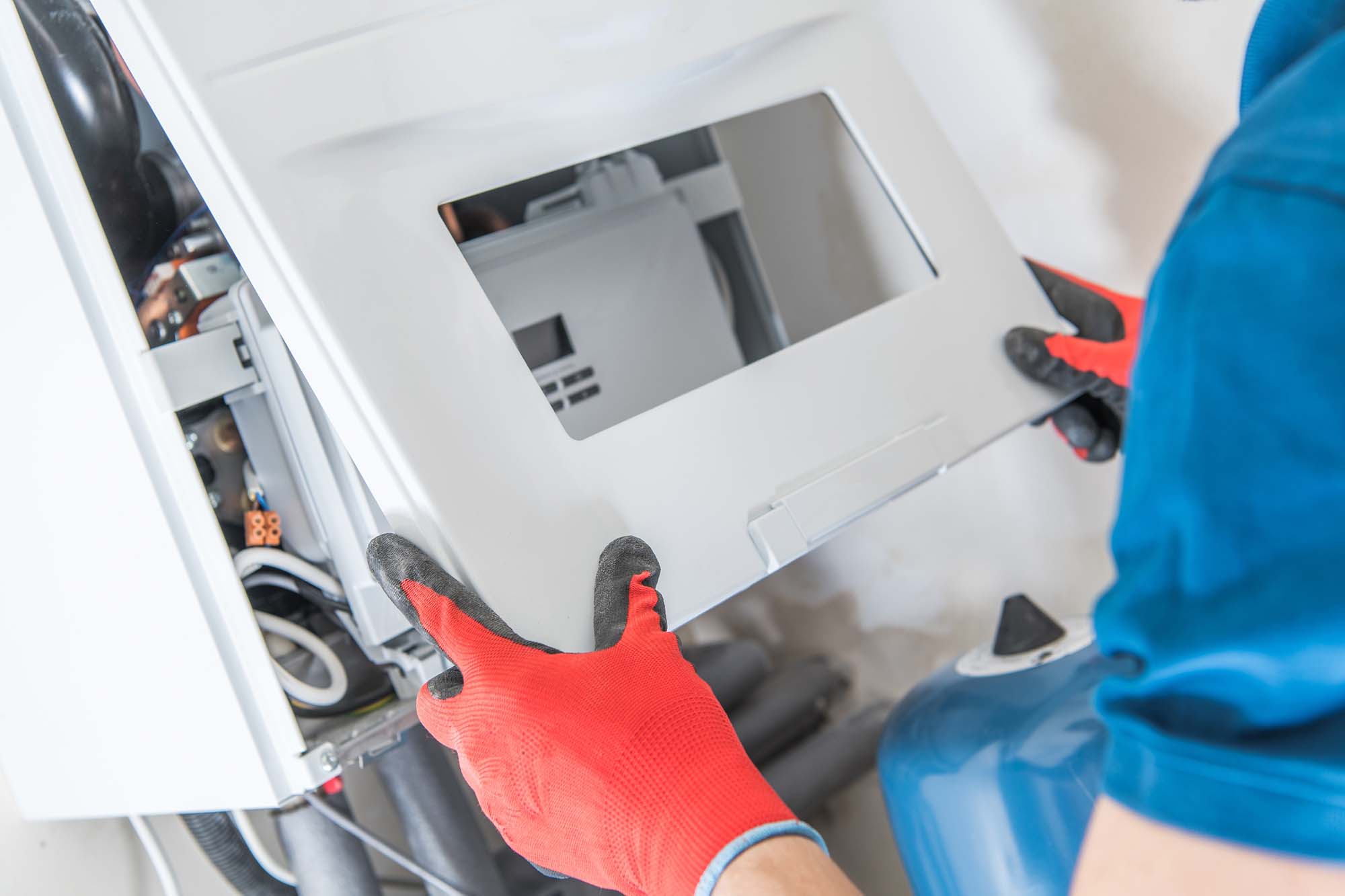
A survey is the step between "my heating is not right" and a quote you can trust. Without one, a new boiler or heat pump is often sized by rule of thumb, radiators are left as they are whether or not they suit, and problems in the pipework travel straight into the new system. A proper survey looks at the whole house, not just the appliance on the wall.
This guide explains what a heating survey usually involves, how to prepare, and what you should expect to receive afterwards. It applies whether you are replacing a gas, oil or LPG boiler, considering a heat pump or trying to solve rooms that never warm up.
Why a survey matters
Heating systems are often modified over decades. Extensions are added, radiators swapped, loft tanks removed and controls changed, each by a different person. By the time a boiler needs replacing, nobody may know exactly how the system was put together. A survey brings that picture together so the new work suits the house as it is now.
It also protects you from oversizing and undersizing. An oversized boiler cycles on and off and wastes fuel; an undersized heat pump leaves the house cold on the worst days. Both problems are avoidable with measurements rather than guesses.
What is usually assessed
- The existing boiler or heat source, its age, condition, flue and fuel supply.
- Each room's size, windows, external walls and insulation for a heat loss estimate.
- Every radiator's type and size, and whether its output matches the room.
- Pipe sizes and routes, including any microbore sections.
- The hot water system: cylinder size, type and condition, or combi flow rate.
- Mains water pressure and flow at the kitchen tap.
- Controls: programmer, thermostats, radiator valves and zoning.
- Water quality in the system, signs of sludge and whether a filter is fitted.
Heat loss: the number behind the design
Heat loss is how much heat each room loses to the outside on a cold day at the target indoor temperature. It depends on wall construction, insulation, glazing, ventilation and room size. Adding up the rooms gives the total the heat source needs to supply, plus an allowance for hot water.
For heat pumps, a room-by-room calculation is essential, because radiators run at lower temperatures and must be sized carefully. For boilers, it still helps to avoid buying a larger appliance than the house needs.
How to prepare for the visit
- Clear access to the boiler, cylinder, loft hatch and radiators.
- Gather old paperwork: boiler manuals, service records, warranties and energy certificates.
- List the problems you notice: cold rooms, noises, slow hot water, high bills.
- Think about future plans such as an extension, new bathroom or insulation.
- Note how many people use showers at the same time in the morning.
Questions worth asking
Ask how the recommended size was worked out and what outdoor temperature the design assumes. Ask which radiators, if any, need changing and why. If the advice is to keep the existing system, ask what condition it is in and whether it should be cleaned. If you are comparing a boiler and a heat pump, ask for the trade-offs for your house specifically, not in general.
A good surveyor will tell you when something is not worth doing. That is as useful as a recommendation to proceed.
What you should receive afterwards
Expect a written summary of what was found and a clear specification of the proposed work: the appliance and its output, any radiator changes, cylinder details, controls, system cleaning and any pipework upgrades. The quote should match that specification so you can compare like with like if you get more than one.
If funding is part of the plan, for example support through Home Energy Scotland for a heat pump, check what documentation the scheme needs and whether the survey provides it.
How long a survey takes
For a typical house, allow an hour or two. Larger or more complicated properties, or heat pump designs needing detailed room measurements, take longer. The heating does not normally need to be off, although the surveyor may want to run it briefly to see how radiators warm and how the controls behave.
Surveys are especially valuable in older properties, where solid walls, mixed extensions and past alterations make generic sizing unreliable.
Surveys for heating problems rather than replacement
Not every survey leads to a new boiler. Sometimes the outcome is cleaning the system, replacing a pump or valve, rebalancing radiators or changing a couple of undersized radiators. Starting with a survey lets you fix the real cause rather than replacing equipment that still has years of life left.
Frequently asked questions
- Do I need a survey for a like-for-like boiler swap?
- It is still worth one. It confirms the size, flue position, gas or oil supply, condition of the system and controls before work starts.
- Will the survey tell me if a heat pump suits my home?
- Yes, if it includes a heat loss calculation and radiator check. It should be honest if the property needs work first.
- What is a heat loss calculation?
- An estimate of how much heat each room loses on a cold day, used to size the heat source and radiators.
- Should I get more than one survey?
- You can. Comparing written specifications, not just prices, helps you see what each quote includes.
- Can a survey help with cold rooms?
- Yes. It can show whether the radiator is undersized, the system needs balancing or cleaning, or there is a fault.
Want your heating looked at properly?
Tell us what your radiators and boiler are doing. We confirm the work needed and the price after we have assessed the system.