
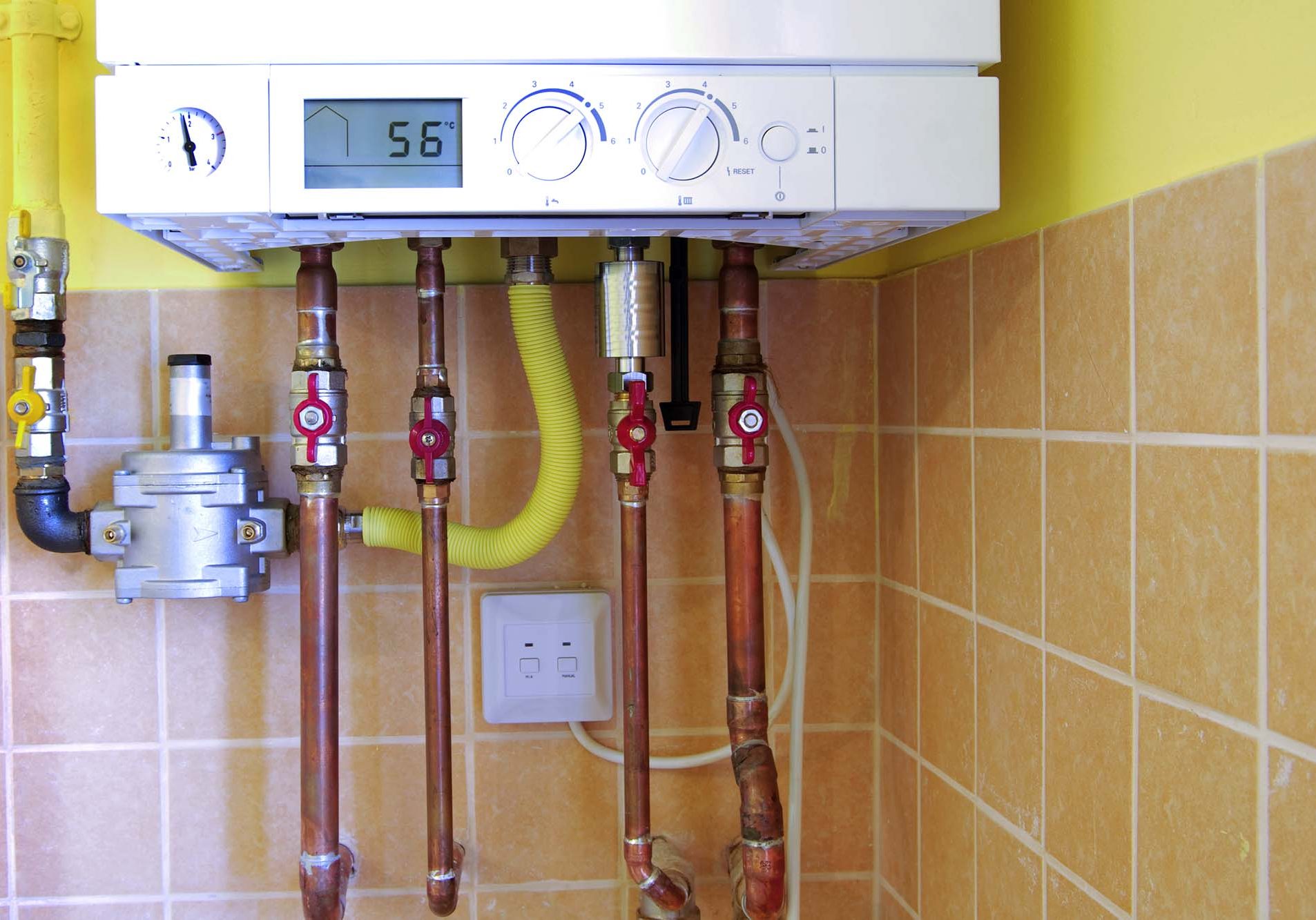
A low hum from a working boiler is not automatically a fault. Every modern condensing boiler contains a fan and a circulating pump, and both make noise. What matters is whether the hum is new, whether it is getting louder, and whether it happens when the boiler is supposed to be idle.
This guide separates the hums that are simply mechanical noise from the ones that tell you a bearing, a mounting or a vessel is on its way out. It also covers what you can safely check yourself, and the point at which the casing needs to come off, which is engineer territory.
Where the hum is coming from
Stand a metre away and listen while the boiler runs, then listen again a few minutes after it shuts down. A hum that starts with ignition and stops when the boiler stops is coming from the fan or the pump. A hum that continues after the boiler has finished, or that starts on its own with no hot water running, points at the pump running on, at a valve motor, or at a control fault holding something powered.
Then try isolating by demand. Run a hot tap only and note the noise, then call for heating only. If the hum appears in both, the pump or fan is the likely source. If it only appears on heating, a motorised valve and the circuit it opens are worth investigating.
Pump noise and worn bearings
The circulating pump is the single most common source. Pump bearings wear, and as they do the smooth whir turns into a heavier hum or drone that you can often feel as vibration through the pipework and even the wall behind the boiler. On older systems where the pump sits outside the boiler, you can put a hand on it and feel the difference immediately.
Pump hum also increases when the pump is fighting the system: a partially closed isolating valve, sludge restricting flow, or a pump left on a higher speed setting than the property needs will all make it work harder and sound louder. That is why a noisy pump is sometimes a symptom of the system rather than the pump itself.
The fan, and the noise of a blocked flue
The fan spins up before ignition and it is meant to be audible. A fan that hums unevenly, wobbles or cycles up and down usually has a worn bearing or a partial obstruction. On boilers with a long or exposed flue run, wind pressure and debris can also change the sound noticeably, particularly on exposed rural properties around the Borders.
Never try to inspect a flue or fan yourself. It sits inside the sealed combustion side of the appliance and only a Gas Safe registered engineer should open it. If a fan noise is accompanied by the boiler locking out, treat it as urgent rather than cosmetic.
Expansion vessel and vibration transmitted through pipework
A failed expansion vessel changes how pressure behaves as the system heats, and one of the ways that shows up is a hum or a resonant buzz as water is forced through restrictions. The other classic sign is pressure that climbs high when hot and drops low when cold, so check the gauge cold and again after an hour of heating.
Not every hum is the boiler at all. Copper pipework clipped tightly against a joist, or a pipe touching a plasterboard wall, turns ordinary pump vibration into a hum you hear in an upstairs bedroom rather than the kitchen. If the noise is loudest away from the boiler, that is the likely explanation and it is a matter of clipping and isolation rather than a repair.
| What you hear | Likely source | Urgency |
|---|---|---|
| Steady hum only while running, unchanged for years | Normal fan and pump noise | Monitor |
| New heavier drone with felt vibration | Worn pump bearings | Book a repair |
| Uneven or cycling hum before ignition | Fan or flue issue | Engineer soon |
| Hum plus pressure climbing when hot | Expansion vessel | Book a repair |
| Hum loudest in another room | Pipework contact and clipping | Non urgent |
What you can safely do yourself
- Note when the hum happens: heating only, hot water only, or all the time.
- Check system pressure cold and hot and write both readings down.
- Bleed any radiator that is cold at the top, since trapped air makes pumps noisier.
- Check whether the noise is loudest at the boiler or elsewhere in the house.
- Record a short video with sound, which genuinely helps an engineer arrive prepared.
When to stop investigating and call us
- The hum is new and getting louder week by week.
- The boiler is locking out, showing a code, or cutting out mid cycle alongside the noise.
- The noise continues when nothing is calling for heat or hot water.
- Pressure is behaving oddly as the system heats and cools.
- You smell gas or burning, in which case ventilate, turn off at the meter and call 0800 111 999.
Frequently asked questions
- Is a humming boiler dangerous?
- A hum on its own is usually mechanical rather than dangerous, most often the pump or fan. It becomes urgent if it comes with lockouts, a burning smell, a gas smell or the boiler cutting out, because those point at combustion or electrical faults that need a Gas Safe engineer straight away.
- Why does my boiler hum when the heating is off?
- Something is still powered. A pump running on, a motorised valve holding position or a control fault keeping a circuit live will all hum with no demand. A short pump overrun after a cycle is normal, but a permanent hum with no demand should be looked at.
- Can a noisy pump be repaired rather than replaced?
- Sometimes. A pump humming because of trapped air, a part closed valve or a high speed setting can be resolved without a new part. Worn bearings cannot be repaired, so a pump that has developed a heavy drone is normally replaced.
- Does a hum mean my boiler needs replacing?
- Rarely. Most humming faults are single component repairs. Replacement only becomes the sensible option when the boiler is old, parts are hard to source, or you are already weighing up a new system for other reasons.
- Will a service stop the noise?
- An annual service will find restricted flow, incorrect pressure and pump problems, and it may resolve noise caused by air or settings. It will not stop noise caused by a genuinely worn part, which needs replacing as a separate repair.
Boiler making a noise it never used to make?
Send us a short video with sound and we will tell you what we expect to find before we arrive.