
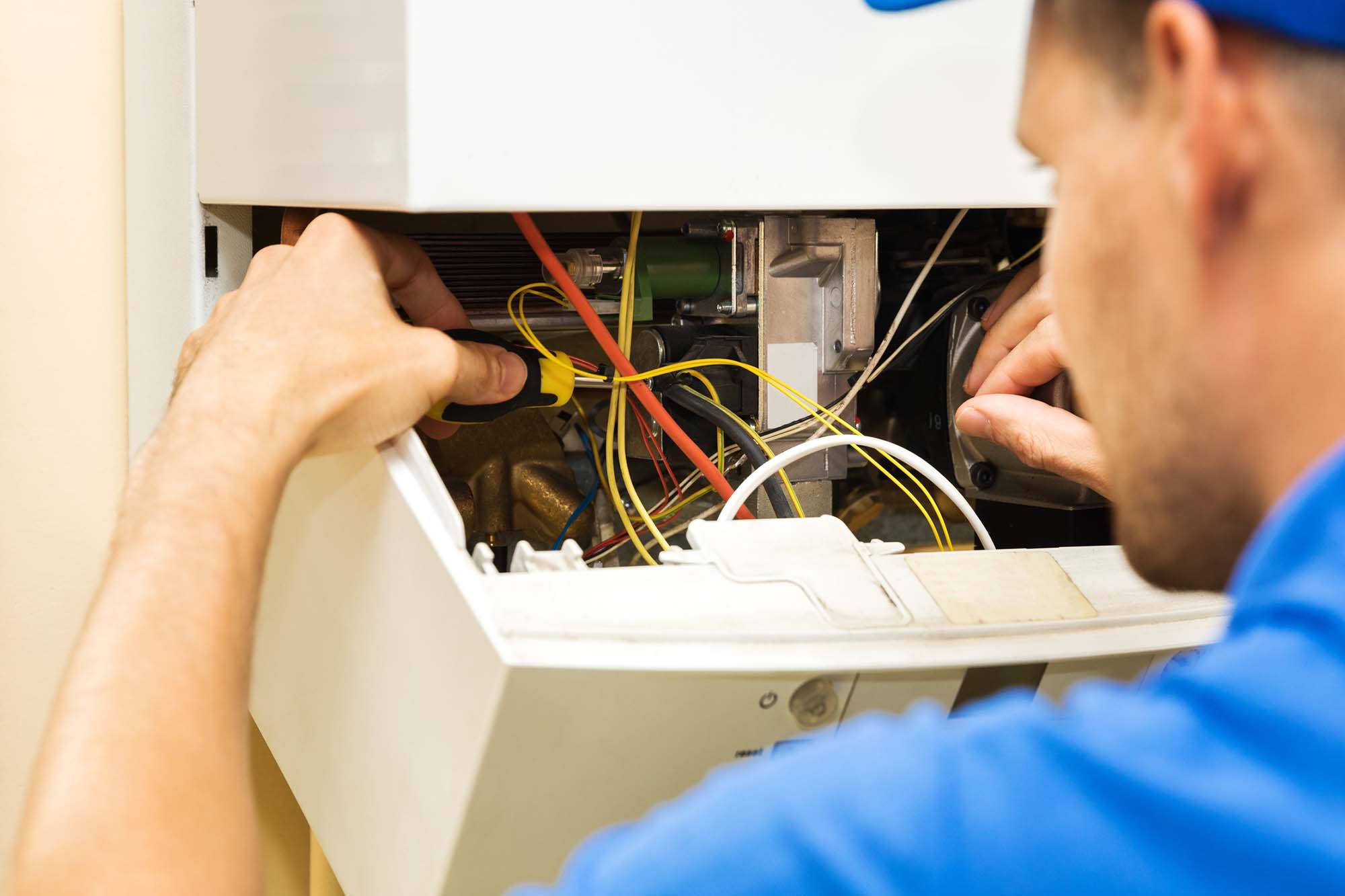
People searching for how to bleed a boiler are often trying to cure gurgling, poor circulation or a heating system that will not warm up properly. The phrase can mean several things: bleeding an ordinary radiator, removing air after circuit work or investigating an appliance-side circulation fault. Those are not interchangeable tasks.
This guide explains that distinction and the professional response. It does not tell you to open the boiler, loosen a pump screw or operate an internal air vent. Gas-appliance work requires a Gas Safe registered engineer qualified for the relevant work, and hot or pressurised components create risks even where a fitting appears to contain only water. Homeowner-safe radiator bleeding, when appropriate, belongs to the separate radiator guide and must follow the system's normal user instructions.
Describe the symptom rather than assume air
A gurgling noise can suggest air in part of the circuit, but not every noise or cold radiator has that cause. Restricted circulation, deposits, valves or appliance faults can produce related symptoms. A diagnosis based on the word bleed may therefore send you towards the wrong component.
Tell the engineer where the sound comes from, whether the heating or hot water still works and whether the problem started after repairs or refilling. Note any displayed fault code from the ordinary user display. Do not remove covers to listen more closely or identify internal parts. These observations help establish whether the issue is local to a radiator, in the wider circuit or around the appliance.
Radiator bleeding is a different operation
An ordinary radiator bleed valve is designed to release trapped air at that radiator. If the panel is cold at the top while warming lower down, air can be one possible explanation. Homeowner bleeding may be appropriate where the system instructions permit it and the radiator is cool, but it does not mean the boiler itself should be opened.
A radiator cold mainly at the bottom suggests a different pattern and needs assessment rather than repeated bleeding. If you are unsure of the system type or valve, stop and ask. The limits matter: a normal external radiator valve is not the same as an internal pump, automatic vent or pressurised appliance component, even if an online video describes them using similar language.
Air after work needs a complete recommissioning plan
Opening or draining a heating circuit can introduce air. The professional refill and recommissioning process should account for the circuit layout, zones and high points. One radiator heating briefly does not prove that air has been dealt with throughout the installation.
If problems began immediately after work, report the timing and the symptoms to the contractor. Do not compensate by repeatedly operating vents or adding water without understanding the cause. The engineer needs to check pressure, circulation and the relevant components against the installation requirements. A planned return to operation is different from a homeowner trying several unrelated procedures until the sound temporarily disappears.
Why boiler internals are not a homeowner check
An internal vent or pump can be surrounded by hot water, pressure, electrical parts and gas-appliance components. Removing a cover can also affect the appliance's designed safety arrangement. The fact that a component looks accessible in a photograph does not establish that it can be safely operated by the user.
Do not loosen pump screws, open internal air vents or dismantle pipe connections. Do not copy a procedure intended for an engineer working on a different model. A Gas Safe registered engineer qualified for the appliance must undertake relevant gas work, and the water-side investigation still requires appropriate competence. The correct method comes from the equipment and installation, not a generic bleeding routine.
Recurring air or pressure loss needs a cause
Air that repeatedly returns may be associated with a leak, pressure problems, incorrect filling or another system condition. Frequent topping up can introduce fresh water and conceal a continuing fault. The engineer should consider why the symptom recurs rather than merely release air at the next visit.
Keep a record of visible pressure changes using the normal display and note whether readings are taken cold or during operation. If the user manual expressly permits topping up, follow it only when you understand the procedure. Stop if the pressure does not behave normally or loss is repeated. Homeowner top-up instructions do not cover opening a repaired circuit or adjusting internal expansion equipment.
What a professional investigation may include
The assessment can consider circuit pressure, circulation, valves, water condition and the timing of previous work, alongside the appliance instructions. The engineer needs to distinguish air from other restrictions and determine which checks are appropriate for the model. No particular component should be replaced merely because a noise resembles one described online.
Ask what the findings show and what remains uncertain. If additional circuit work or a separate cleaning stage is recommended, understand how it addresses the identified cause. A boiler repair, radiator adjustment and system drain-down are different scopes. Cost factors include diagnosis, access, parts and recommissioning; this guide supplies no figures and makes no promise of an immediate fix.
When not to treat it as an air problem
A gas smell, carbon monoxide alarm, suspected fumes or scorching requires the appropriate emergency response. Leave the danger area and follow safety guidance rather than attempting bleeding or repeated resets. A leak near electrical equipment also calls for caution and professional help.
For ordinary circulation symptoms, keep the appliance within its normal user operation and report continuing faults. At handover, ask which actions are safe for you and which need an engineer. The useful outcome is a system with the cause addressed and normal operation explained, not a new habit of opening whichever valve seems nearest to a gurgling sound.
Frequently asked questions
- Is bleeding a boiler the same as bleeding a radiator?
- No. A radiator has a specific external bleed valve; internal boiler vents and pumps require professional assessment and should not be operated by the homeowner.
- Does gurgling always prove there is trapped air?
- No. Circulation restrictions and other faults can produce similar symptoms. Describe the noise and operating pattern rather than assume the cause.
- Can I loosen the pump screw shown in an online video?
- No. Do not open the boiler or operate internal components. Hot water, pressure, electrical and gas-appliance risks require appropriate professional competence.
- What if air keeps returning after radiator bleeding?
- Report the recurrence and any pressure changes. Repeated air or topping up needs investigation of the underlying cause, not more frequent venting.
Talk to us about your plumbing or heating
Tell us what is happening and what you would like to change. Work and prices are confirmed after we have assessed your system.