
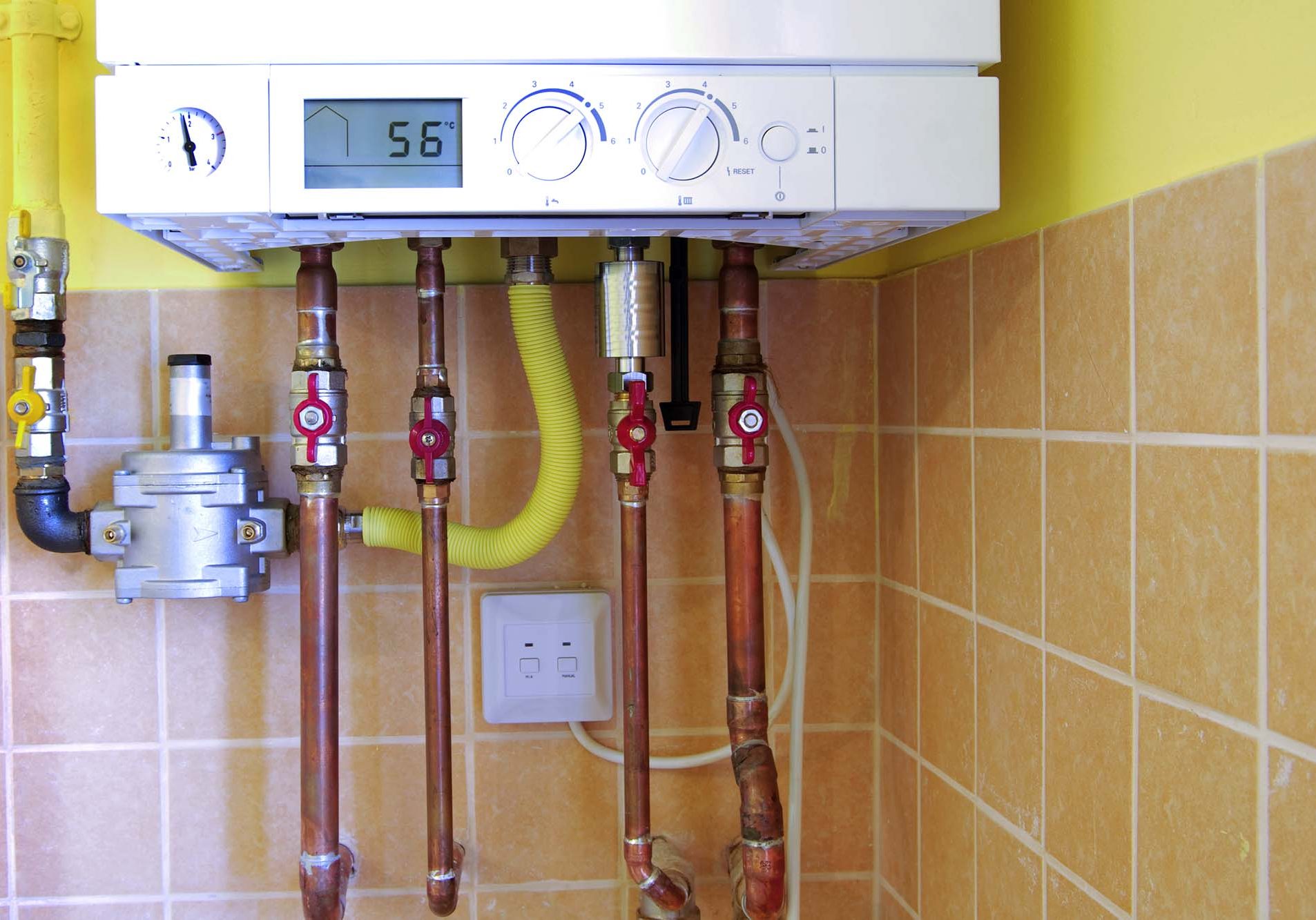
A failure is not one thing. Engineers classify unsafe situations, and the classification decides what happens to the appliance, what the tenant is told and how urgent your next move is. Understanding the three categories takes the panic out of the phone call.
In every case the appliance stays yours to put right, and the certificate cannot be issued while a dangerous situation stands. The good news is that a large share of failures are cheap and fixable on the day.
The three classifications
- Immediately Dangerous: the appliance is a present danger to life or property. With your permission or the user's, it is turned off and labelled, and it must not be used until it is put right.
- At Risk: one or more faults could become dangerous. It is also turned off with permission and labelled, pending repair.
- Not to Current Standards: the installation does not meet today's standards but is not unsafe. It can continue in use, and the point is recorded so you know about it.
What the engineer does at the property
Where a dangerous situation is found the engineer will explain it to whoever is present, seek permission to make the appliance safe, attach a warning label and record the situation. Where the danger is on the supply rather than one appliance, the gas emergency service is involved.
Nobody can force entry or override a refusal, but a refusal is recorded. That record is your protection, because it shows exactly what was found and what was advised.
Your next steps as the landlord
- Get a written description of the fault and a price to repair it, on the day where possible.
- Decide between repair and replacement using appliance age and part availability, not just the immediate figure.
- Keep the tenant informed, especially where the failed appliance was their heating or hot water.
- Arrange temporary heating if the property is left without it, and do it promptly.
- Book the re-check so the certificate is issued as soon as the work is complete.
The failures we see most, and what they cost to sort
The frequent ones are cheap: a blocked or covered ventilation grille, a perished or out of date cooker hose, a failed flue seal, missing appliance restraint, a spillage problem on an old fire caused by a blocked chimney. These are often corrected in the same visit and the certificate issued before we leave.
The expensive ones are structural: a flue in poor condition inside a wall or void, an appliance beyond economic repair, or a supply that needs upgrading. Those need a proper quote and a plan, and we will tell you honestly which category you are in.
Frequently asked questions
- Can I still let the property if an appliance failed?
- The property can normally continue to be let, but you cannot leave a dangerous appliance in use, and you need a valid record. The practical answer is to fix the fault and get the certificate issued quickly rather than debating the timescale.
- My tenant refused to let the engineer isolate the appliance. What now?
- It gets recorded, along with the advice given and any warning notice. You should follow it up with the tenant in writing immediately, because you now have documented knowledge of a dangerous situation in your property.
- How fast can you re-check after a repair?
- If we did the repair there is nothing to re-check separately, since the certificate is issued once the work is complete. If another contractor carried out the remedial work we will attend to verify and certify as soon as they are finished.
- Do I have to replace an appliance marked Not to Current Standards?
- No. That classification means it is not unsafe. It is recorded so you can plan, and it is often a useful early warning that the appliance is dating.
Failed appliance? Get it fixed and certified together
Most common failures are corrected on the visit so the certificate issues without a second appointment.