
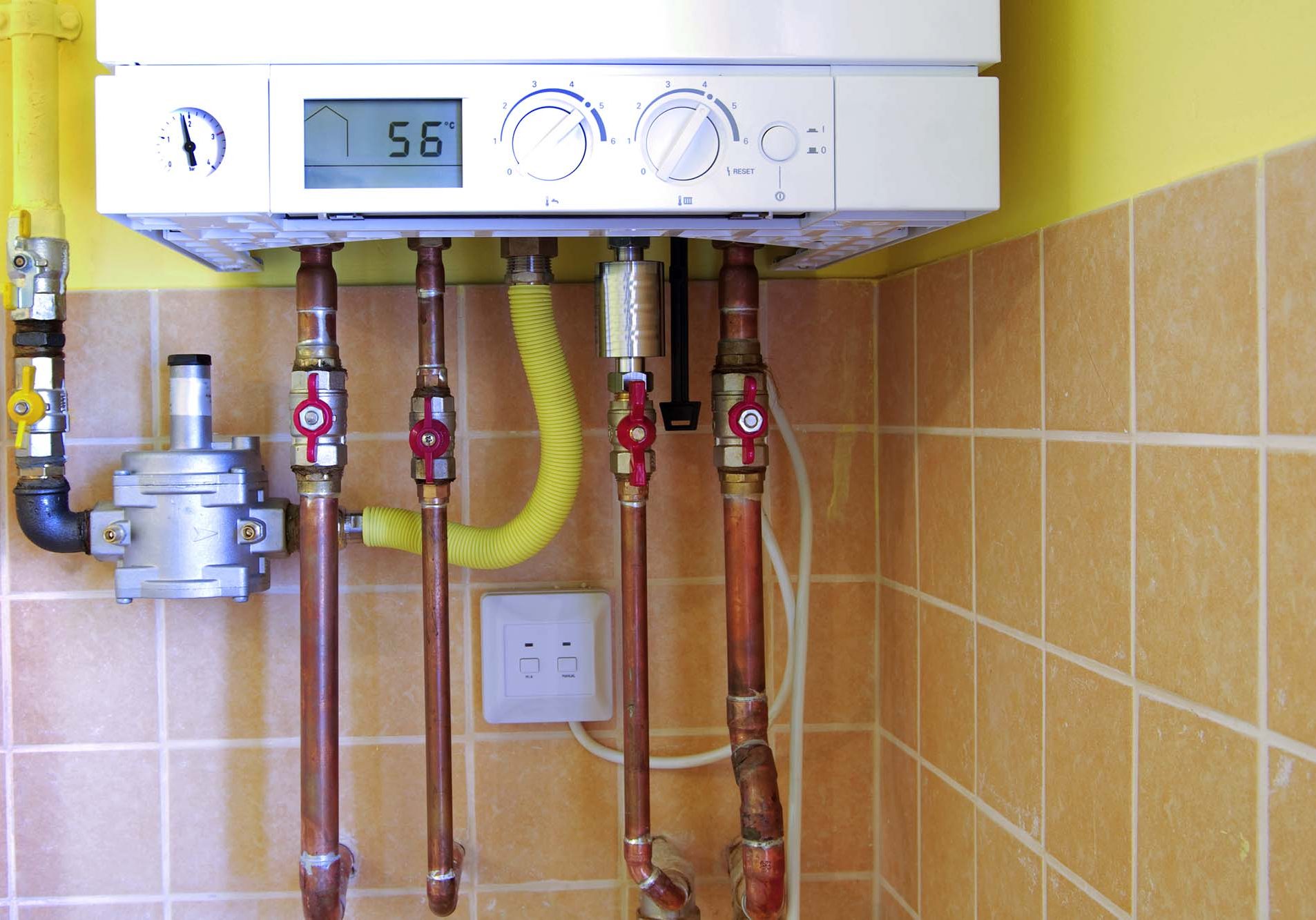
A boiler repair starts with a fault, but the first useful step is deciding what kind of fault it is and whether there is an immediate safety concern. No heating, no hot water, repeated lockout and a leak can have different causes. Giving a clear description is more helpful than naming a replacement part based on an internet search.
This guide explains the repair journey: what to report, what an engineer needs to diagnose and how parts or access can affect completion. It also covers requests for same-day repair without suggesting that any business can guarantee attendance or a finished repair that day. For gas appliances, gas work must be carried out by a Gas Safe registered engineer qualified for the appliance. Homeowner checks must not extend to opening the boiler or changing internal components.
Separate a breakdown from a safety emergency
A boiler that has stopped heating is inconvenient, but a gas smell, carbon monoxide alarm or signs of scorching need a different response. Leave the danger area and follow gas emergency guidance. Do not keep resetting an appliance while trying to decide whether the warning is genuine. Avoid operating electrical switches if a gas leak is suspected.
A water leak can also become urgent if it affects electrics, ceilings or vulnerable parts of the building. Keep clear of wet electrical equipment. Report the safety concern first when calling, rather than starting with the make and age of the boiler. An ordinary repair appointment is not a substitute for the appropriate emergency response.
Record symptoms without dismantling anything
Note the make, model and any displayed fault code. Explain whether heating, hot water or both have stopped, when it happens and whether the problem follows a particular demand. A clear photograph of the normal display is useful. Do not remove panels to find an internal label or inspect a component.
Check normal user settings and the household supply only where doing so is safe. A timer set incorrectly can look like a heating fault, but an apparently normal display does not prove an appliance is safe. Follow the user manual for any permitted reset and avoid repeated resets when the fault returns. Tell the engineer about previous repairs or repeated pressure topping up.
What an urgent or same-day request means
Tell the business if the property has no practical heating or hot water, if vulnerable occupants are affected or if a leak cannot be contained safely. This information helps establish urgency. Ask about current attendance availability and the expected assessment scope, rather than assuming that the words emergency or same day include every part of the repair.
Attendance and completion are different. Even if an engineer can attend promptly, a specific component may need ordering or additional investigation may be required. Work should not be rushed past necessary safety checks to satisfy a booking label. Agree what will happen if the appliance has to remain off and how the next stage will be arranged.
Diagnosis comes before the parts list
The engineer uses the reported symptoms alongside appropriate checks to distinguish appliance faults from supply, control and circulation problems. A heating system can fail to deliver heat because of an external valve or radiator circuit issue, even when the boiler itself operates. Conversely, an intermittent appliance fault may need careful testing to reproduce.
Replacing a part solely because the same error appeared on another model can waste money and leave the original fault unresolved. Ask for a plain explanation of what the evidence shows, what remains uncertain and the proposed repair. The diagnostic visit and remedial work should have an understood scope before additional chargeable work proceeds.
Parts, access and previous alterations
Make and model details help establish parts availability, but they do not prove which component has failed. Older appliances, discontinued parts and unusual previous alterations can complicate a repair. Access matters too: a boiler tightly enclosed by furniture or a concealed external control may require preparation before the work can proceed.
Clear the normal route and move belongings from the agreed area. Do not disconnect pipes, remove covers or alter wiring as preparation. Explain whether another contractor has recently worked on the system and provide any records. This is not about blaming a previous installer; it helps identify what has changed and avoids overlooking a related fault.
Agree the repair and the alternative
A repair proposal should explain the failed component or condition, the required work and any limitations. Factors affecting the charge include diagnosis, parts, access, repeated visits and connected-system corrections. No universal repair figure can describe all of those situations responsibly, and this guide does not give one.
Replacement can be worth considering where repairs are repeated, parts are unavailable or the appliance no longer meets household needs. That is a separate decision, not an automatic outcome of one breakdown. Ask for the reasons behind both options and what each would address. An expensive component does not by itself prove that every radiator, control or pipe must be replaced too.
Testing and the information to keep
After remedial work, the appliance and relevant connected functions need appropriate testing and recommissioning. On a gas boiler, required gas and combustion work belongs to the qualified Gas Safe registered engineer. A return to normal operation is important, but so is checking the condition that caused the repair rather than simply clearing a fault message.
Keep the findings, work record and any recommendations. Ask which normal user settings have changed and whether a separate service is due. A repair does not automatically replace scheduled maintenance or a landlord gas safety check. If symptoms return, report the same details again, including when they occur, instead of assuming a further reset is the lasting solution.
Frequently asked questions
- Can a boiler always be repaired on the first visit?
- No. Diagnosis, parts availability, access and safety findings can require another stage. Ask separately about attendance and likely completion rather than assuming they are the same promise.
- What information helps when booking a repair?
- The make, model, fault code, affected functions, timing and previous work are useful. Describe safety concerns and vulnerable occupants first where relevant.
- Should I reset the boiler repeatedly?
- No. Follow the user manual for any permitted reset. A returning fault needs investigation, and safety warnings require the appropriate emergency response.
- Is a repair the same as a service?
- No. Repair addresses a fault; servicing follows the manufacturer's maintenance requirements. A gas safety check has another purpose and should not be treated as interchangeable.
Talk to us about your plumbing or heating
Tell us what is happening and what you would like to change. Work and prices are confirmed after we have assessed your system.