
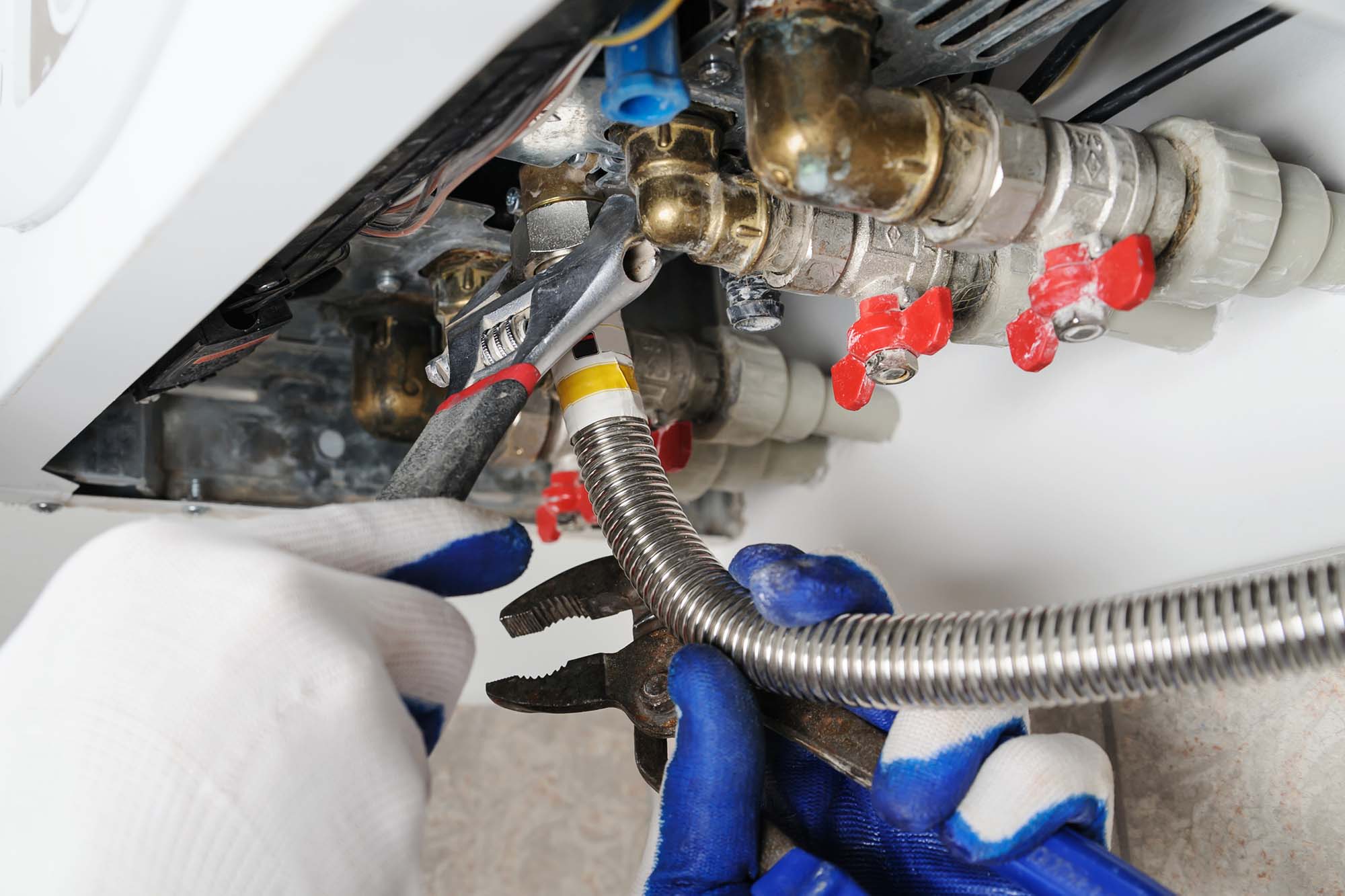
Boiler maintenance is a routine, not a response reserved for the day heating stops. A planned service, sensible observations between visits and prompt reporting of faults do different jobs. Keeping those jobs separate helps you book the right work and avoids assuming that a safety record or a recent repair replaces ongoing maintenance.
For a gas boiler, Gas Safe Register advises annual checking by a Gas Safe registered engineer. The appliance manufacturer's instructions determine the servicing tasks and may set conditions for warranty cover. This guide explains the frequency question and the homeowner's part in looking after the system without entering the appliance. It does not promise that servicing prevents every breakdown or creates a particular warranty. Gas work must be undertaken by a Gas Safe registered engineer qualified for the relevant appliance.
Use the manufacturer's schedule as the starting point
Look for the service requirements in the appliance instructions and any warranty terms, rather than relying on an assumed rule remembered from a previous boiler. An annual service is the normal planning point for many domestic boilers, but the exact work needs to suit the model and installation. A heavily altered or faulty system may require separate attention between scheduled visits.
Keep a record of the last service and the next planned date. If records are missing after moving home, do not treat a previous owner's statement that the boiler worked well as proof of maintenance. Arrange an assessment and explain that the history is incomplete. The engineer can distinguish routine servicing from additional faults or missing installation information.
Servicing, safety checking and repair are not interchangeable
A service follows the manufacturer's maintenance requirements for the appliance. A gas safety check assesses relevant safety matters; a landlord gas safety record documents the inspection. A repair addresses a particular fault. They may be arranged together, but each needs to be understood rather than merged into a vague promise to check the boiler.
For rented property, landlord duties and access arrangements matter independently of a homeowner's maintenance preference. Ask what work is booked and what record will be provided. If the boiler was repaired recently, confirm whether servicing was also completed. A replaced component does not necessarily mean the whole appliance has received its scheduled maintenance or that every legal duty has been met.
What to report before the service
Describe changes since the previous visit: recurring fault codes, pressure loss, unusual noise, unreliable hot water or rooms that no longer heat normally. A short record of when symptoms occur can be more valuable than a guess about which component has failed. Mention any other work on controls, radiators or plumbing.
Do not wait for the annual appointment when there is an active safety concern or continuing leak. A service booking may need to become a separate diagnostic visit if the appliance is malfunctioning. Give the business the make and model so the appropriate work can be planned. Keep normal access clear, but do not remove covers or disconnect anything as preparation.
Safe observations between services
You can use ordinary controls, check the visible display and look for external leaks from a safe position. Learn the normal operating indications from the user manual. A pressure reading should be understood in the context of whether the system is cold or running, rather than compared blindly with somebody else's boiler.
Where the manual permits homeowner topping up, follow its exact instructions and stop if you do not understand the arrangement. Repeated topping up needs investigation; it is not scheduled maintenance. Keep clear of hot pipes and electrical parts, and never open the casing to inspect a burner, pump or wiring. Professional maintenance is not a set of internal cleaning tasks for the homeowner to copy.
Keep the surrounding installation usable
Normal service access should not disappear behind newly built furniture or stored belongings. Keep ventilation and the externally visible flue area free of obvious obstruction without climbing, removing guards or disturbing fittings. Ask the engineer before building cupboards around the appliance or altering an external enclosure.
Changes to heating controls or room use can also affect how the system operates. Note whether scheduled heating now suits the household and whether thermostats behave consistently. These are useful discussions at a service, but electrical wiring changes and internal gas-appliance work remain professional tasks. Maintenance works best when the appliance and the connected system are considered together, with clear limits on what the booked visit includes.
Safety concerns cannot wait for a diary date
A gas smell, carbon monoxide alarm or suspected fumes needs an immediate safety response, not a request to bring the next service forward. Leave the danger area and follow the appropriate emergency guidance. Carbon monoxide cannot be relied on to have a warning smell, so a working alarm and awareness of symptoms are important alongside professional checks.
Do not repeatedly reset an appliance that is locking out or ignore scorching, unusual burning smells or a persistent leak. Report the specific warning and follow the advice given. An annual routine is useful precisely because it keeps maintenance organised; it is not permission to leave faults untreated for the remaining months.
Records, cost factors and the next visit
Keep service records with the appliance manual and installation documents. They show what work was done and any recommendations made, and may matter when discussing manufacturer cover. Warranty conditions differ, so check the actual terms rather than assuming every serviced boiler has the same protection.
Servicing cost factors include the appliance type, access, maintenance requirements and whether a separate fault is found. This guide gives no price figures. Agree the scope and how remedial work would be quoted. Before the engineer leaves, understand the findings, any changed normal settings and when the next service is due. Report unresolved symptoms rather than letting a new date in the diary stand in for a completed repair.
Frequently asked questions
- How often should a gas boiler be serviced?
- Plan maintenance using the manufacturer's instructions. Annual servicing is the usual routine for many domestic boilers, and Gas Safe Register advises annual appliance checks by a Gas Safe registered engineer.
- Does a gas safety certificate replace a service?
- No. A safety inspection and a manufacturer-led service have different purposes. Ask which tasks and records are included when booking them together.
- Can I wait for my service if the boiler keeps losing pressure?
- Persistent loss needs investigation rather than repeated topping up until the appointment. Safety concerns, active leaks or recurring shutdowns should be reported promptly.
- Can I clean the boiler internals myself?
- No. Keep homeowner checks to ordinary controls and manual-approved external actions. Gas work requires a suitably qualified Gas Safe registered engineer.
Talk to us about your plumbing or heating
Tell us what is happening and what you would like to change. Work and prices are confirmed after we have assessed your system.